Chip losses spread ahead of Thanksgiving
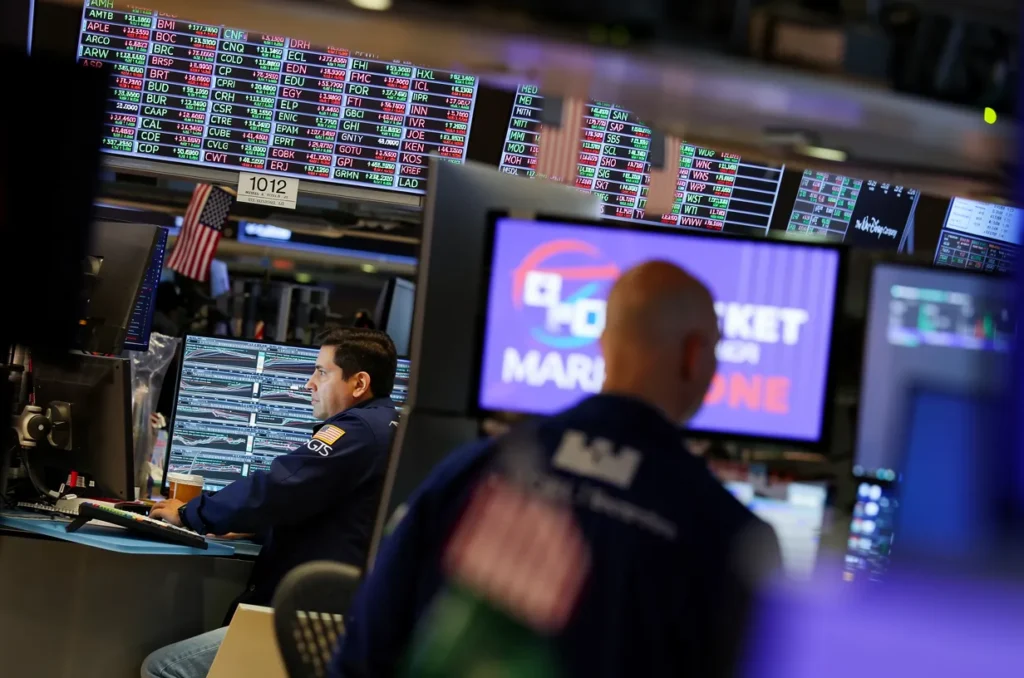
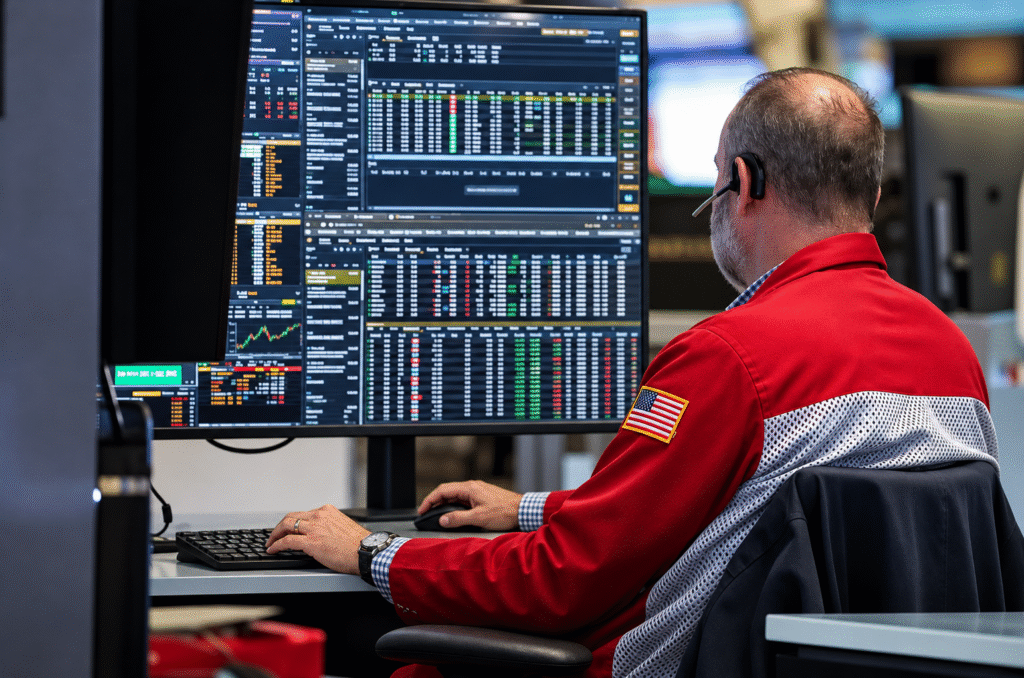
The Nasdaq Composite fell about 4% Wednesday as the sell-off in chip stocks deepened and another firm inflation reading kept a December rate hike in view. Around 11:35 a.m. ET, the S&P 500 was down 2.8% and the Dow Jones Industrial Average was down 1.5%.
Nvidia (NASDAQ: NVDA) fell more than 8% in late-morning trading, extending Tuesday’s losses. Jensen Huang’s return as CEO had lifted chip stocks on Monday. By Wednesday, the selling had spread beyond semiconductors, with Microsoft, Alphabet and Amazon also lower.
The day’s strongest counterpoint came from the bond market. While stocks fell, the 10-year Treasury yield dropped about 8 basis points to 4.81% as Treasury prices rose.
Treasurys rallied with a rate hike still in view
The October report put headline PCE inflation at 3.8% and core PCE at 3.3% from a year earlier. Core prices, which exclude food and energy, also rose 0.3% from September.
A separate release revised third-quarter growth to a 4.3% annualized pace, from 3.4%. That is a stronger reading on the economy heading into fall. The October data showed a softer start to the next quarter, with inflation-adjusted consumer spending essentially flat.
Traders still favored a quarter-point increase in December. A falling 10-year yield can coexist with those bets. The Fed sets short-term rates, while longer-dated Treasurys draw buyers when investors want protection from a deeper equity sell-off.
Follow the Market Into the Fed’s December Decision
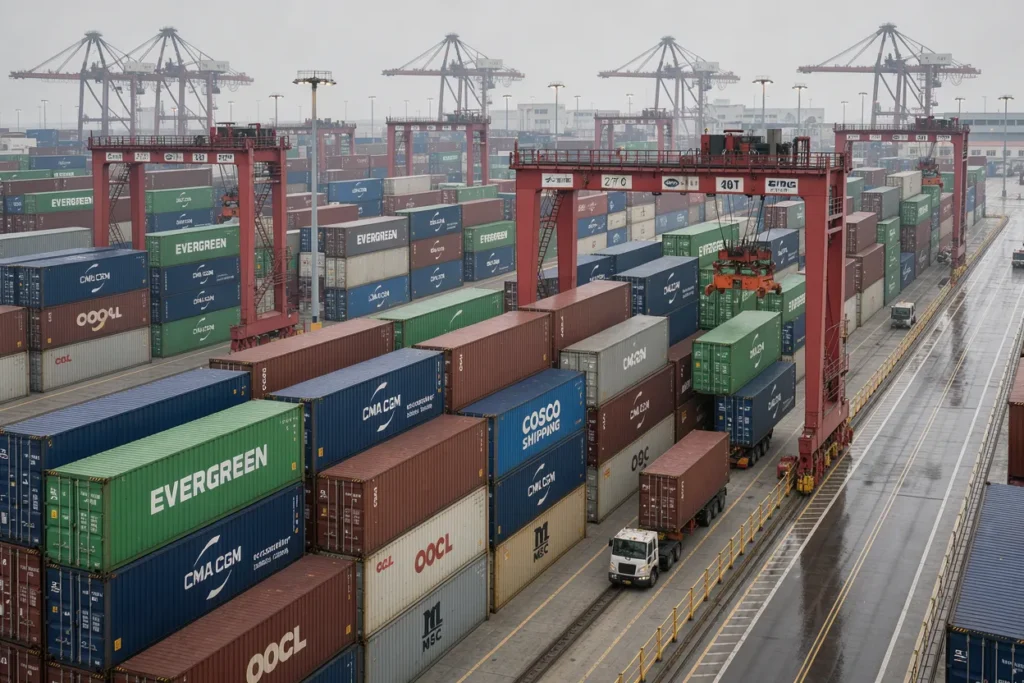
The tariff proposals put import costs back in play
The administration proposed Section 301 tariffs on 14 economies. The main proposal for China sets a rate of up to 20%, with offsets for certain duties and exemptions for some products. For covered EU goods, the proposed 15% rate counts standard customs duties and existing Section 301 levies toward that figure.
With hearings starting January 25, the proposals add uncertainty to costs companies are budgeting for 2027. The effect on prices will depend on which goods face a higher combined duty and how much importers pass on to customers.
U.S. stock and bond markets close Thursday for Thanksgiving. On Friday, NYSE stock trading ends at 1 p.m. ET, and SIFMA recommends a 2 p.m. ET bond-market close.
The next policy test is December 9, when the Fed releases its rate decision and new economic projections. With markets already leaning toward another hike, those projections will show whether policymakers see further rate increases in 2027.
Explore More Stories in Markets
Disclaimer
Wall Street Access is an independent financial publisher. Wall Street Access is not a financial advisor. No company mentioned has compensated Wall Street Access for the preparation, publication or distribution of this article. This content is provided for informational and educational purposes only and is not investment advice or a recommendation to buy, sell or hold any security. Investing involves risk, including the possible loss of principal.
Prices, market capitalizations, financial figures and other market data are based on information available as of the date and time of publication and may change without notice. Information is drawn from public sources believed to be reliable but is not guaranteed to be complete or accurate. Opinions and expectations expressed are our own and may change as new information becomes available.
Readers should conduct their own due diligence and contact a licensed financial professional before making any investment decision. Past performance does not guarantee future results. Any material ownership interest or conflict of interest, where applicable, will be disclosed separately.