China Moves Closer to Approving Nvidia AI Chip Imports
Chinese regulators have told the country’s largest technology firms — including Alibaba Group — that they can begin preparing orders for Nvidia’s H200 artificial intelligence chips, according to people familiar with the discussions.
The guidance suggests Beijing is nearing formal approval for shipments of a key AI processor that has become central to US-China technology negotiations. While final authorization has not yet been announced publicly, regulators have reportedly granted in-principle approval for companies to move into the next stage of procurement planning.
Which Companies Are Involved
In addition to Alibaba, the guidance applies to:
- Tencent Holdings
- ByteDance
These firms have now been cleared to discuss order volumes and logistics with suppliers, although final purchase approvals remain conditional. One condition under discussion is that buyers may be required to commit to purchasing a certain amount of domestically produced chips alongside Nvidia hardware — a figure that has not yet been specified.
Why the H200 Matters
The H200 is a previous-generation AI accelerator that remains permitted for export to China under current U.S. restrictions. While it is not Nvidia’s most advanced offering, it is still highly capable and widely used for training and running large AI models.
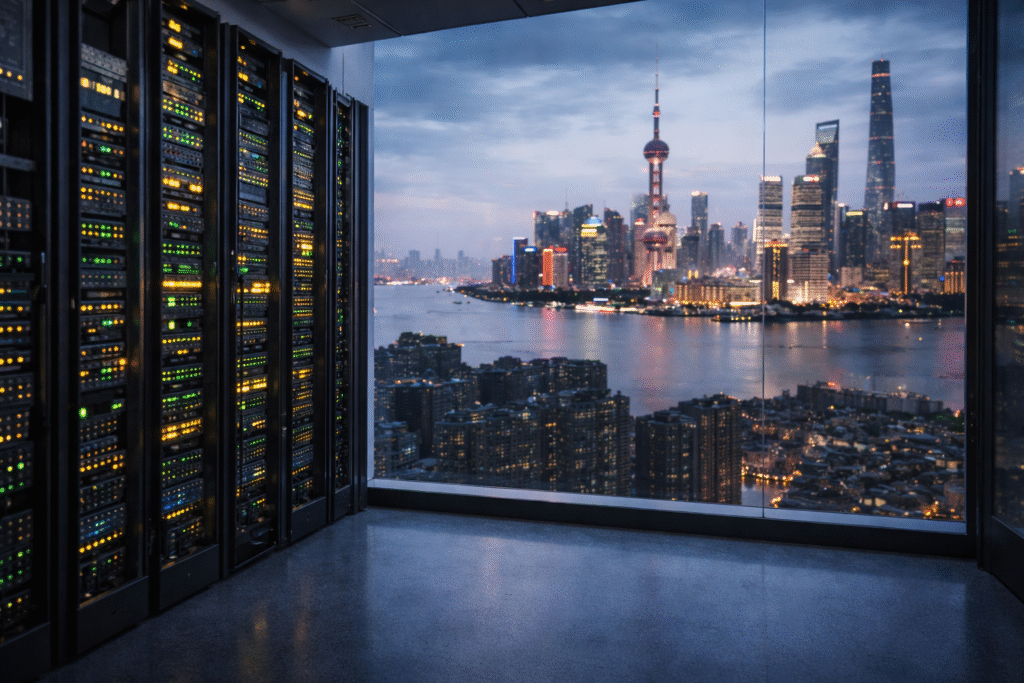
For China’s hyperscalers, access to the H200 is critical as they race to expand data center capacity and compete with U.S. leaders in generative AI. Domestic alternatives from firms such as Huawei and Cambricon have gained traction, but supply remains constrained.
A Strategic Win for Nvidia
The discussions point to a meaningful reopening of Nvidia’s access to the world’s largest semiconductor market. Nvidia’s leadership has previously said the AI chip market alone could represent tens of billions of dollars in long-term opportunity.
Earlier private discussions indicated that Alibaba and ByteDance were each interested in ordering more than 200,000 H200 units, underscoring the scale of pent-up demand. Chinese startups, including DeepSeek, are also rapidly upgrading their models to close the gap with U.S. AI leaders.
Mixed Signals From Beijing
The move contrasts with reports from recent weeks suggesting that China was blocking H200 shipments, including supplier pauses reported by the Financial Times. It also comes after regulators previously urged firms to avoid other Nvidia products, such as the H20 accelerator and RTX Pro workstation chips, citing security and policy concerns.
At the same time, Beijing continues to emphasize semiconductor self-sufficiency. The government is preparing a new round of incentives that could total up to $70 billion to support domestic chip development.
WSA Take
China’s message to its tech champions is pragmatic: build AI at scale now, even if it means relying on foreign silicon — but hedge that reliance over time. For Nvidia, the H200 represents a narrow but meaningful reopening of a massive market. For investors, this signals that AI demand can override geopolitics when compute becomes mission-critical. The AI arms race isn’t slowing — it’s forcing compromise.
Read our recent coverage on TikTok Securing U.S. Future.
Explore more market insights on the WallStreetAccess homepage.
Disclaimer
WallStAccess does not work with or receive compensation from any companies mentioned. This content is for informational and educational purposes only and should not be considered financial advice. Always conduct independent research before investing.