Copper is shifting from “cyclical” to “strategic”
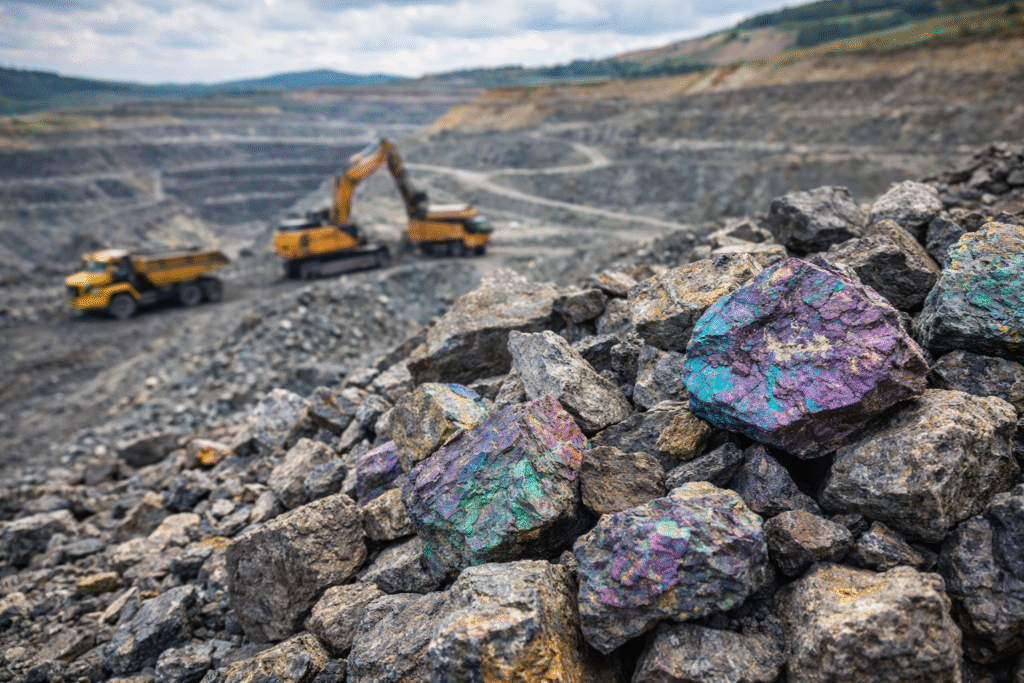
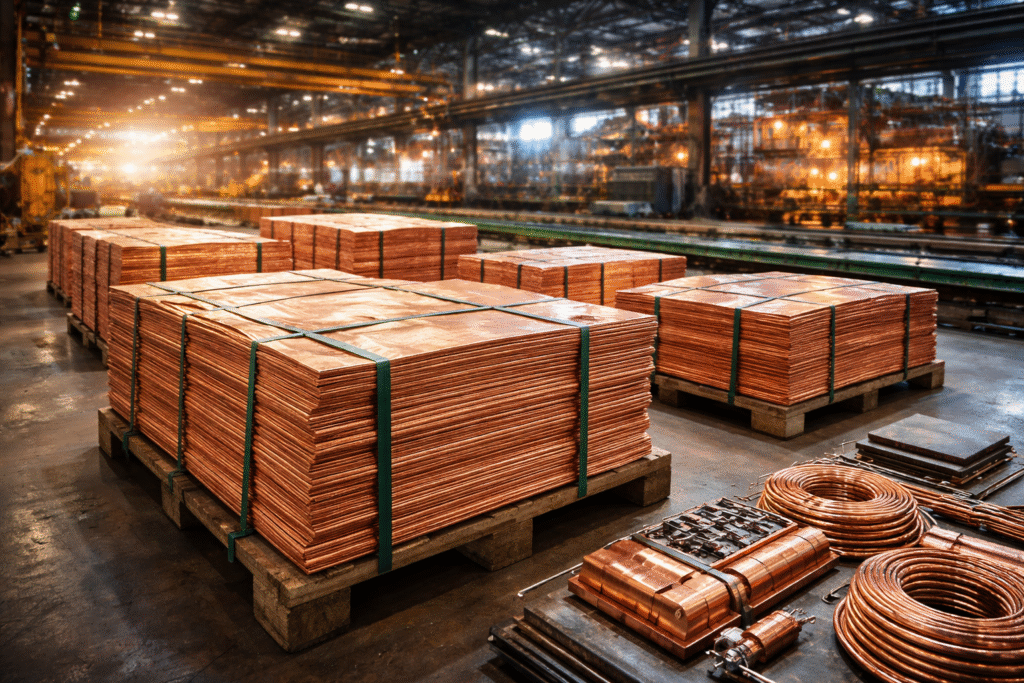
Copper is entering 2026 with a different reputation than it had in past commodity cycles. Instead of trading purely on construction and manufacturing swings, the metal is increasingly viewed as a strategic input for two megatrends: the AI infrastructure buildout and global electrification.
With prices holding at historically elevated levels and forecasts pointing to a sizable 2026 shortfall, copper is starting to behave less like a normal industrial metal — and more like a system-wide bottleneck.
A 2026 deficit is becoming the base case
Multiple market outlooks now point to a global refined copper deficit measured in the hundreds of thousands of tonnes in 2026. The drivers are straightforward:
- Years of underinvestment in new mine development
- Declining ore grades across major mining regions
- Long lead times (often close to a decade) from discovery to production
- Recurring supply disruptions that keep removing “expected” tonnage from the market
That matters because copper doesn’t have fast supply elasticity. Even if capital pours in today, meaningful new supply typically arrives late in the decade, not next quarter.
The AI bull run is turning data centers into a copper demand engine
The “new” copper demand story isn’t just EVs anymore — it’s the AI bull run and the global race to scale compute.
Data centers and AI compute facilities are copper-intensive because they require:
- heavy power distribution and electrical wiring
- significant cooling systems (and the energy infrastructure that supports them)
- backup power setups and redundancy builds
This creates a demand profile that’s hard to pause once capex is committed — and it’s landing right when supply is least responsive.
Low inventories make every shock feel bigger
Inventories in key storage hubs have fallen to levels that make the market more reactive. When visible stockpiles are thin, any disruption — a strike, a weather event, a permitting delay — can translate into sharper price moves.
That dynamic reinforces the “scarcity premium” narrative even when broader economic data is mixed.
Copper is now a policy asset, not just a commodity
Governments are increasingly framing copper as a strategic material, which can introduce:
- stockpiling behavior that removes metal from the market
- trade restrictions and tariffs that distort global flows
- procurement policies that prioritize domestic supply chains
That’s a key shift: policy can tighten supply even if the commercial market would otherwise balance.
Who wins and who gets squeezed
Sustained high copper prices tend to create a split:
- Upstream exposure can benefit from operating leverage and higher realized pricing
- Downstream industries can face margin compression, especially where copper is a major input (autos, HVAC, electrical gear, industrial components)
WSA Take
Copper in 2026 looks less like a normal “commodity trade” and more like a macro choke point. The AI bull run is forcing massive data-center expansion, and copper sits inside the power, cooling, and backup guts of that buildout. If supply stays constrained and inventories stay tight, the market’s pricing power shifts further upstream — and the rest of the economy pays the toll.
Read our recent coverage on Stocks Wavering as Fed Independence Comes Into Question.
Explore more market insights on the WallStreetAccess homepage.
Disclaimer
WallStAccess does not work with or receive compensation from any companies mentioned. This content is for informational and educational purposes only and should not be considered financial advice. Always conduct independent research before investing.