Copper could be in surplus one year and short the next
Copper has spent much of 2026 setting price records as investors anticipate a future shortage. Yet the latest industry forecasts appear to suggest the opposite: there may actually be too much copper available over the next two years.
The International Copper Study Group expects a global refined copper surplus of 104,000 metric tons in 2026, expanding to 368,000 tons in 2027 as smelters increase production and additional supply enters the market.
Just days later, BloombergNEF released a considerably more concerning forecast.
The research firm estimates the copper industry will need $332 billion in new mine investment to avoid a shortage that could begin in 2028 and grow substantially over the following decades.
Both forecasts can be correct, and the distinction between them reveals one of the most important developments in the global copper market.
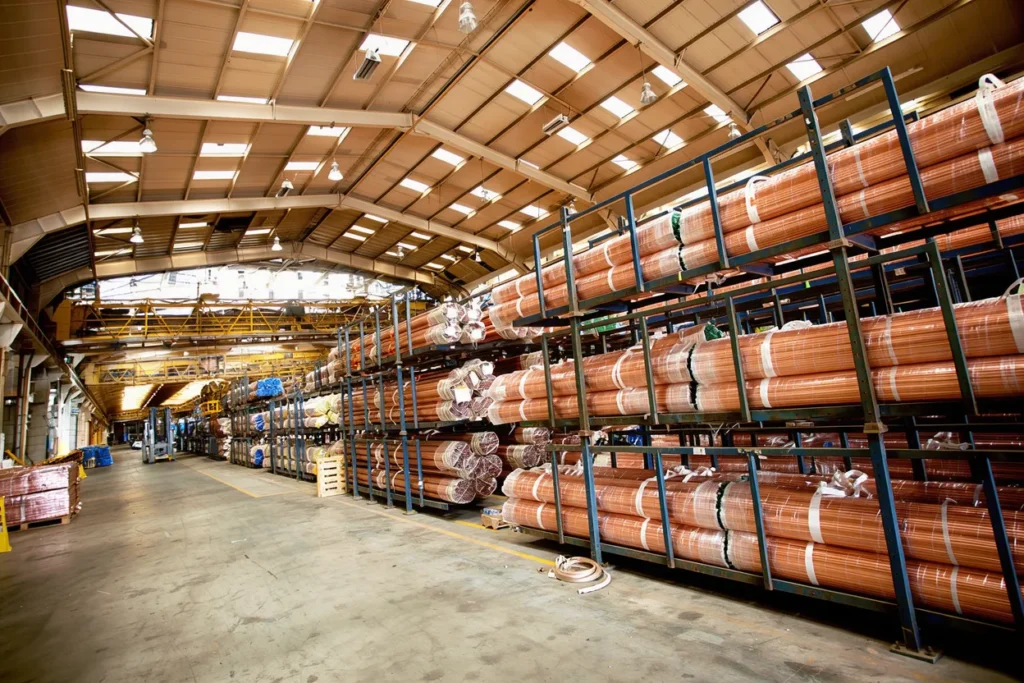
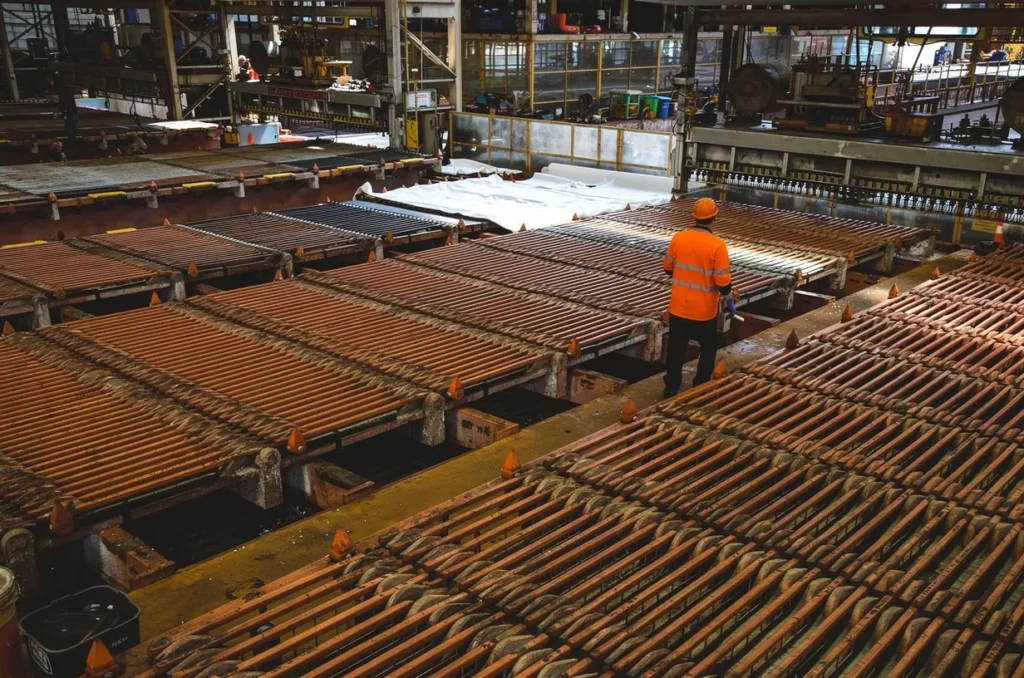
Refined copper is the finished metal used by manufacturers. It comes from processing newly mined material and recycling existing copper. Increasing refinery output or drawing down existing inventories can temporarily improve availability without creating new mineral deposits.
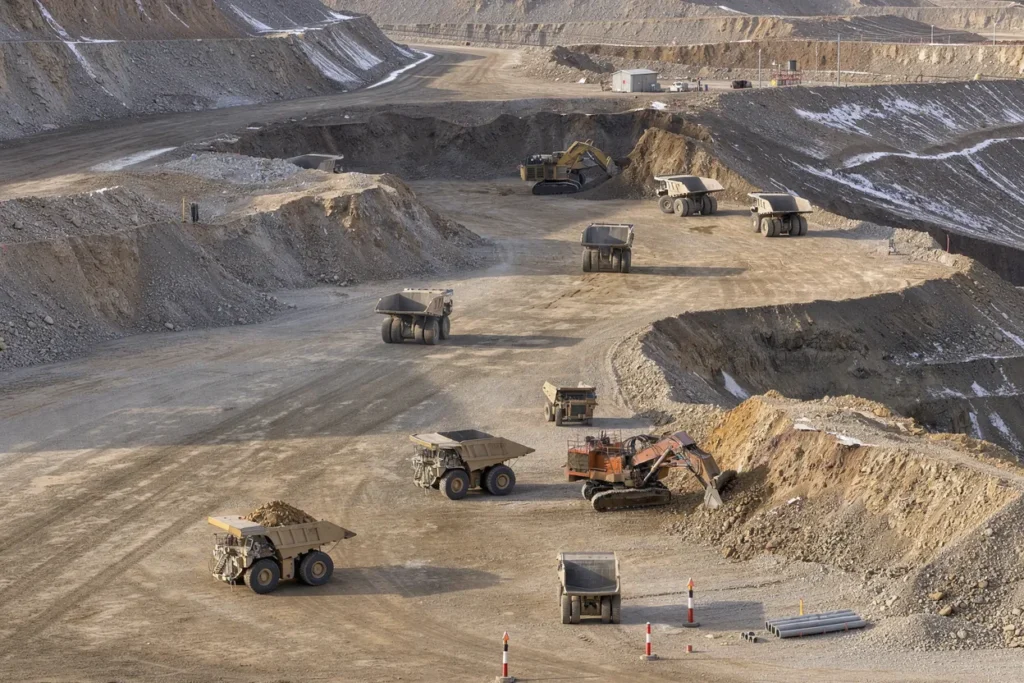
Mine production, however, determines how much new copper can enter the supply chain over the long term.
The world may have enough refined copper for the next two years without having enough mines to meet demand over the next twenty.
That difference is becoming increasingly important as governments and major technology companies commit billions to electrification, power infrastructure and industrial expansion.
The world needs 61% more copper. New mines take 17 years.
Copper demand is expected to grow dramatically, and developing the mines required to meet it is proving increasingly difficult.
In its Transition Metals Outlook 2026, BloombergNEF forecasts global copper consumption will increase 61% between 2026 and 2050, reaching nearly 46 million metric tons annually.
Electrified transportation is expected to become a particularly important source of growth, with copper consumption in that sector projected to climb 244% to 11.4 million tons. Expanding electricity grids, renewable energy infrastructure, data centers and manufacturing facilities will also require substantial additional supply.
Without sufficient new mining investment, BloombergNEF projects the annual supply gap could reach:
- 2028: Global copper supply begins falling short of projected demand
- 2035: A deficit of approximately 3 million metric tons, equivalent to 8% of demand
- 2050: A potential shortfall of 20 million metric tons, or 44% of expected consumption
The challenge is not a lack of copper in the ground. It is the difficulty of bringing economically viable deposits into production.
Declining ore grades mean established mines increasingly need to process more material to recover the same amount of copper. New discoveries face lengthy permitting requirements, expensive infrastructure development and substantial upfront financing.
BloombergNEF estimates that bringing a new copper mine into production takes an average of 17 years.
That creates a serious timing problem. Even if mining companies began committing the required capital today, many newly discovered projects would not be ready to produce copper until well into the 2040s.
Some producers are turning to dormant operations to accelerate supply. Nearly 1 million tons of potential annual production from mine restarts could return by 2030, according to Benchmark Mineral Intelligence. Existing infrastructure and known mineral deposits can make these projects considerably faster to develop.
However, that potential production represents only around 4% of current global mine output. Restarts and expansions can help, but they are unlikely to eliminate the need for major new discoveries.
Copper’s long-term shortage is becoming a race between how quickly demand grows and how quickly the mining industry can build new production capacity.
Copper is becoming the exception among critical metals
Perhaps the most surprising finding in BloombergNEF’s outlook is how dramatically the supply picture has improved for other important metals.
Among the 10 materials examined, nine are now expected to have sufficient long-term production capacity through 2050, provided necessary projects proceed. The list includes lithium, nickel, cobalt, graphite and several other commodities essential to electrification.
Copper stands alone as the major exception.
That distinction could become increasingly important for investors deciding where to concentrate their attention within the mining sector.
New lithium and nickel production has expanded considerably in recent years, while changing battery technologies have reduced some expected demand for cobalt and nickel. Copper has fewer straightforward substitutes in many electrical applications, particularly where conductivity, reliability and efficiency are essential.
An expanding supply gap could eventually make established copper producers, permitted development projects and promising exploration assets increasingly attractive to companies looking to secure future production.
Advanced projects with substantial mineral resources and existing infrastructure may hold particular appeal because they offer a shorter potential route to production. Earlier-stage explorers could also attract attention as mining companies look to replace declining reserves, although discovering a deposit is only the beginning of a lengthy and expensive development process.
Higher copper prices alone will not guarantee that every project becomes economic. Ore grades, metallurgy, infrastructure, operating costs and access to financing will continue determining which deposits can realistically be developed.
BloombergNEF’s $332 billion estimate is a measure of investment required to address projected shortages, not capital already committed to mining companies. Turning that requirement into actual production will depend on financing decisions made over the coming years.
The industry’s next moves may therefore be more revealing than short-term fluctuations in copper inventories. Watch for major mining investments, acquisitions of advanced development projects, new discoveries and government efforts to accelerate mine permitting.
A refined copper surplus may temporarily ease pressure on prices. It does very little to solve an industry that needs $332 billion in new mines and an average of 17 years to bring each one into production.
With shortages potentially beginning in 2028, the window to build enough supply is already narrowing.
Explore More Stories in Commodities
Disclaimer
Wall Street Access is an independent financial publisher. Wall Street Access is not a financial advisor. No company mentioned has compensated Wall Street Access for the preparation, publication or distribution of this article. This content is provided for informational and educational purposes only and is not investment advice or a recommendation to buy, sell or hold any security. Investing involves risk, including the possible loss of principal.
Prices, market capitalizations, financial figures and other market data are based on information available as of the date and time of publication and may change without notice. Information is drawn from public sources believed to be reliable but is not guaranteed to be complete or accurate. Opinions and expectations expressed are our own and may change as new information becomes available.
Readers should conduct their own due diligence and contact a licensed financial professional before making any investment decision. Past performance does not guarantee future results. Any material ownership interest or conflict of interest, where applicable, will be disclosed separately.