What’s changing
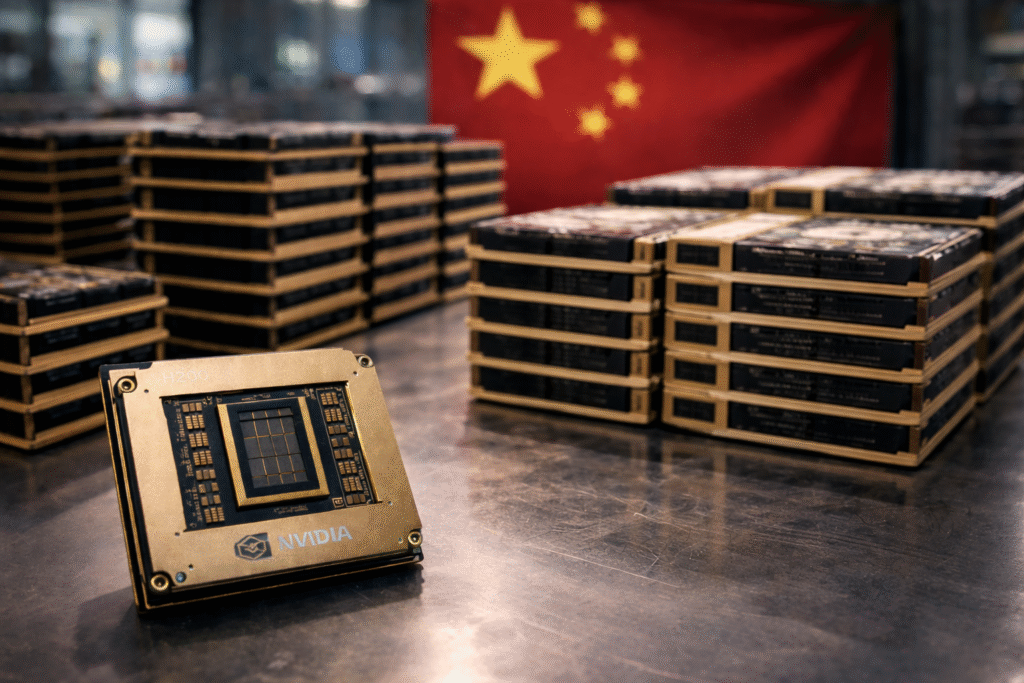
Nvidia is imposing unusually strict payment terms on Chinese customers seeking its H200 artificial intelligence chips, requiring full upfront payment before orders are accepted, according to people familiar with the matter.
Under the policy, buyers must commit capital with no option to cancel, request refunds, or modify configurations after placing an order. In limited cases, customers may substitute commercial insurance or asset collateral instead of cash.
Why Nvidia is doing this
The tougher stance reflects uncertainty over whether Chinese regulators will ultimately approve shipments of the H200 — Nvidia’s most powerful AI chip currently cleared for commercial sale to China.
Historically, Chinese customers were sometimes allowed to place deposits. For the H200, Nvidia is enforcing full prepayment only, signaling a desire to avoid another costly inventory write-down if approvals stall.
Demand far exceeds supply
Chinese technology companies have placed orders for more than 2 million H200 chips, priced at roughly $27,000 each, far exceeding Nvidia’s current inventory of around 700,000 units.
Despite the emergence of domestic alternatives — including Huawei’s Ascend series — Chinese firms still view the H200 as the best available option for large-scale AI training, particularly for advanced models.
Huawei chips remain less competitive at the highest performance tiers.
Regulatory limbo in Beijing
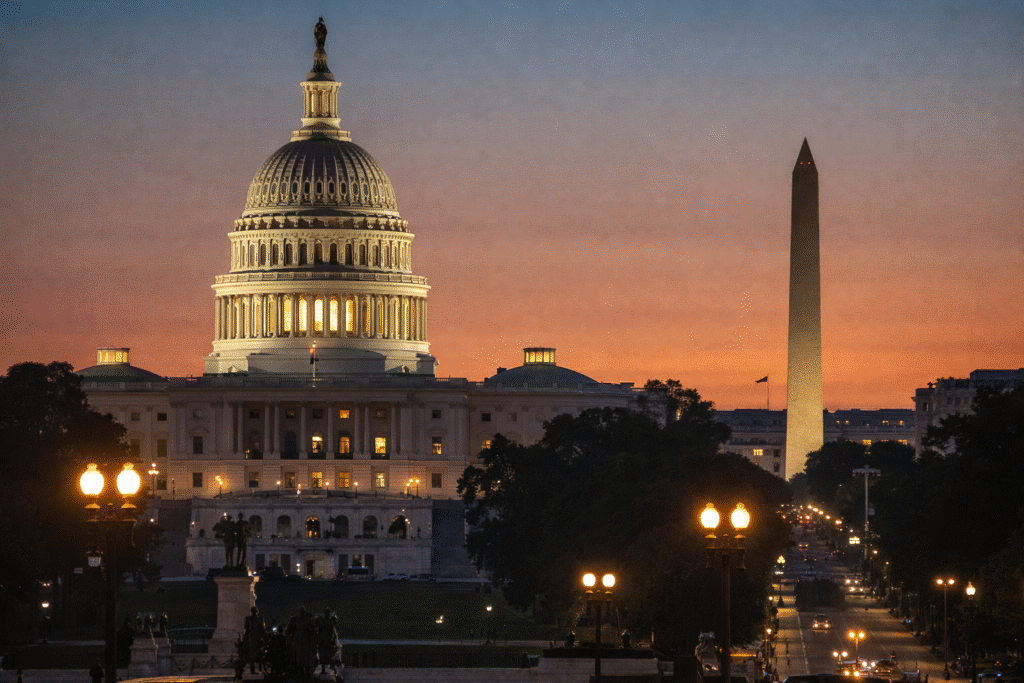
Chinese authorities are expected to approve some H200 imports as early as this quarter, according to prior reporting, but approvals are likely to be limited to specific commercial uses. Sensitive sectors, state-owned firms, and critical infrastructure are expected to remain restricted.
Regulators have also asked some Chinese tech firms to pause orders temporarily while officials finalize requirements around the use of domestically produced chips alongside each imported H200.
Risk transfer to customers
The payment structure effectively moves the risk off Nvidia’s balance sheet and onto buyers, who must commit capital without certainty on:
- Import approval
- Deployment permissions
- Timing of delivery
The approach follows Nvidia’s prior experience with sudden policy reversals that left the company holding billions in unsellable inventory tied to China-specific products.
Supply chain pressure continues
Nvidia has already tapped existing stock to fulfill early H200 orders, with initial deliveries expected before Lunar New Year. To meet future demand, the company has approached TSMC about ramping up H200 production, with additional manufacturing expected to begin in 2026.
This comes as Nvidia simultaneously:
- Transitions from Blackwell to next-generation Rubin chips
- Competes with hyperscalers for advanced manufacturing capacity
WSA Take
This is classic Nvidia risk management. Demand in China is real — but regulatory certainty isn’t. By demanding full upfront payment, Nvidia protects margins, inventory, and cash flow while forcing customers to absorb the uncertainty. It’s a power move — and a reminder of who still controls the AI hardware stack.
Read our recent coverage on S&P 500 Hits Fresh Record.
Explore more market insights on the WallStreetAccess homepage.
Disclaimer
WallStAccess does not work with or receive compensation from any companies mentioned. This content is for informational and educational purposes only and should not be considered financial advice. Always conduct independent research before investing.