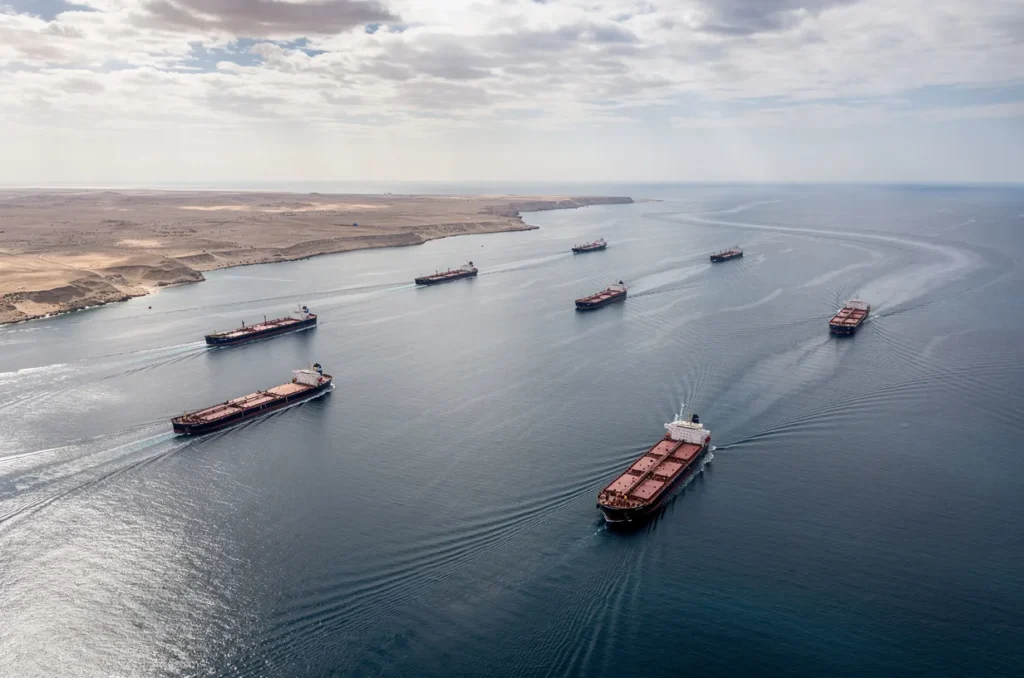
Oil finally cracked as markets leaned into a diplomatic breakthrough
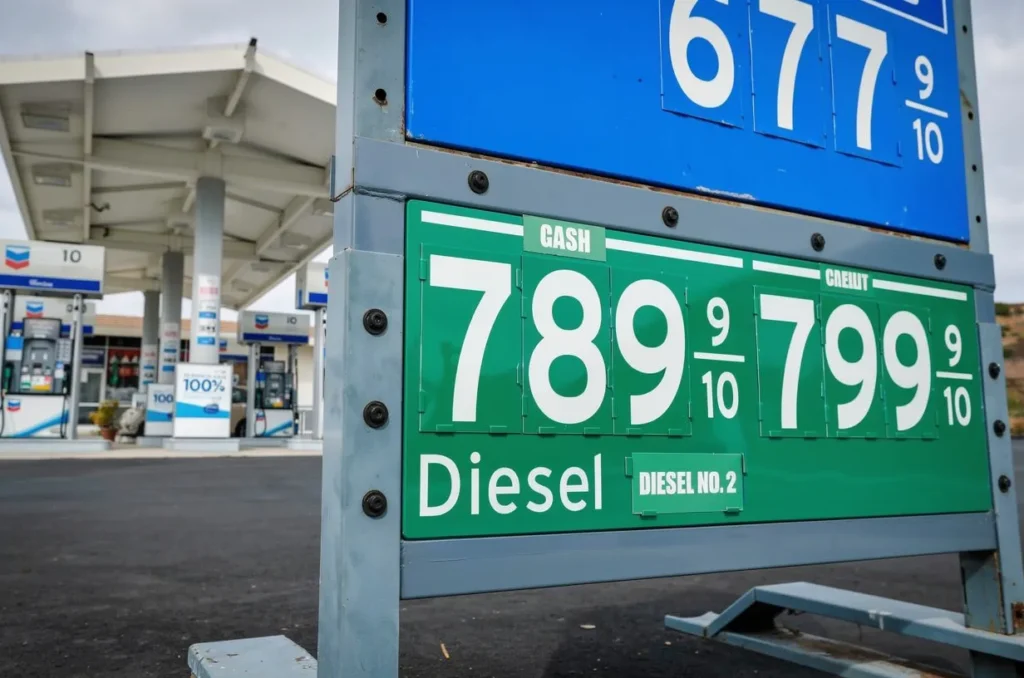
Crude prices fell hard Monday, with both Brent and WTI dropping below the psychologically important $100 level as traders reacted to signs that Washington and Tehran may be moving closer to a deal.
The move was sharp because so much fear had been priced into the barrel. For weeks, the market had been carrying a heavy geopolitical premium tied to the effective closure of the Strait of Hormuz, the world’s most important oil chokepoint. Once headlines started pointing toward a possible agreement, that premium began to come out fast.
By late trade, Brent had fallen to around $94.73 a barrel, while WTI dropped to roughly $90.88.
Hormuz is still the whole story
Everything still comes back to Hormuz.
A workable deal between the US and Iran would not just calm geopolitical nerves. It would reopen a route that sits at the center of global crude and natural gas flows. That is why markets reacted so strongly to comments from Secretary of State Marco Rubio, who said a deal could be announced “today,” and from President Trump, who described negotiations as orderly and constructive, even while cautioning against rushing.
Investors do not need every detail resolved to move markets. They just need to believe the odds of resumed tanker traffic are rising.
Markets are betting Trump wants lower fuel prices fast
Part of Monday’s move was also political.
There is a growing market view that Trump wants a visible agreement that gets tankers moving again and helps take pressure off fuel prices ahead of the busy northern hemisphere travel season. That makes sense. Lower oil would not just help sentiment. It would also ease one of the most stubborn sources of inflation pressure in the global economy.
That logic helps explain why equities rallied alongside falling crude. In this case, lower oil was not being read as a demand scare. It was being read as relief.
Stocks liked what oil was saying
The response in equities was broad.
Tokyo surged 2.9% and broke above 65,000 for the first time. Paris and Frankfurt also moved higher, even with thinner holiday trading volumes in parts of Europe. The tone was simple: if oil keeps dropping and Hormuz starts reopening, one of the market’s biggest macro headaches may finally be easing.
That is a meaningful shift from the tone earlier in the month, when rising crude and supply fears were pushing investors toward a much more defensive stance.
The inflation problem has not disappeared
Even with Monday’s relief move, inflation remains the real macro hinge.
Recent consumer and producer price data had already made investors more nervous that high energy costs were starting to seep deeper into the economy. A drop in crude helps, but one day of selling in oil does not erase weeks of pass-through pressure on transport, goods, and consumer expectations.
That is why the market’s next focus will quickly shift back to inflation data and central bank reaction.
For the Federal Reserve, the question is straightforward: does lower oil arrive early enough, and hold long enough, to cool broader price pressure? If not, the argument for rate cuts stays weak.
Warsh and the Fed are still in the background
That makes this week especially important.
Investors are now watching how the Fed, under its new chair Kevin Warsh, interprets the next inflation readings. Persistent energy-driven price pressure has already complicated the rate outlook. Monday’s move in oil helps at the margin, but it does not settle the debate.
A sustained drop in crude would matter.
A temporary dip driven by optimism would matter much less.
Europe gets relief, but not a solution
Europe also has plenty at stake here.
Lower oil helps a region already dealing with weak growth and rising borrowing costs. But even there, the broader inflation picture remains difficult enough that markets still expect the ECB to stay on a tightening path in the near term.
That is why Monday’s move should be read as a relief rally, not a full reset.
WSA Take
Oil falling below $100 matters because it tells you markets are finally willing to price a real diplomatic off-ramp, not just another hopeful headline.
Still, the bigger test is not whether crude can drop for one session. It is whether a deal actually gets signed, tanker traffic resumes in a durable way, and the inflation pressure built over the past several weeks starts to unwind. If those pieces fall into place, this could be one of the most important macro relief moves of the quarter. If not, the market may find itself rebuilding the same risk premium all over again.
Explore More Stories in Commodities
Disclaimer
WallStAccess is a financial media platform providing market commentary and analysis for informational and educational purposes only. This content does not constitute investment advice, a recommendation, or an offer to buy or sell any securities. Readers should conduct their own research or consult a licensed financial professional before making investment decisions.