The market liked the deal headline, but oil is not going back to normal overnight
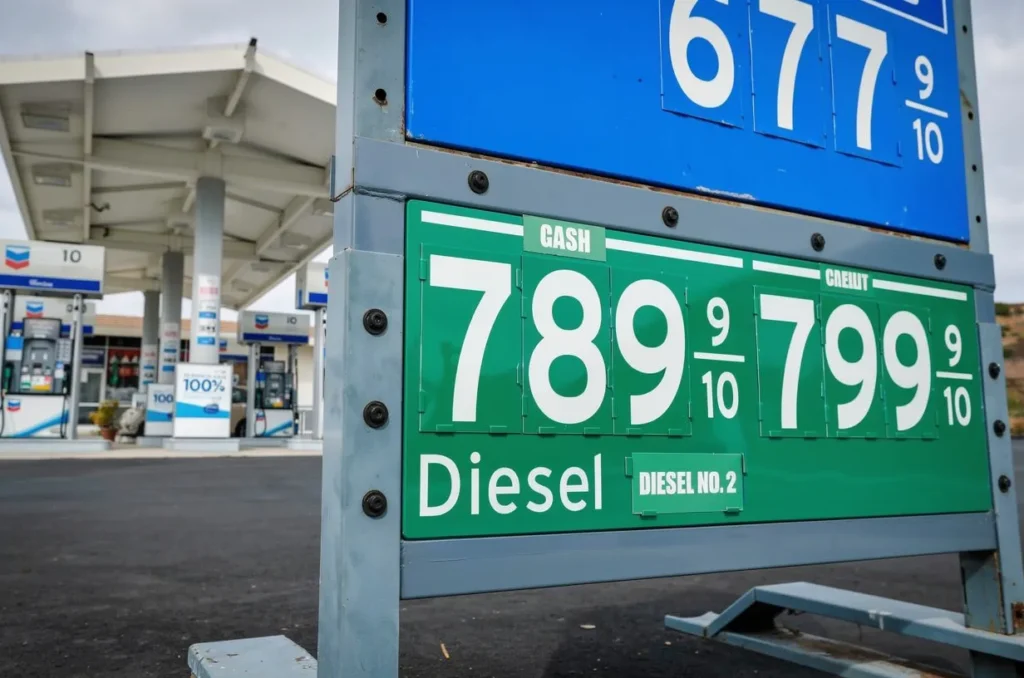
Crude sold off after reports that Washington and Tehran had agreed to the terms of a peace deal and that the Strait of Hormuz would reopen under the framework expected to be formalized in Switzerland. Reuters reported that Brent fell to about $82.95 and WTI to about $80.28, both three-month lows, as traders pulled out part of the geopolitical premium built into the market during the conflict.
That reaction makes sense. A credible path to reopening Hormuz changes the short-term pricing of risk immediately.
It does not restore the physical market immediately.
The shipping problem comes first
Even if the agreement is signed without disruption, the oil market still has to clear a major logistical backlog.
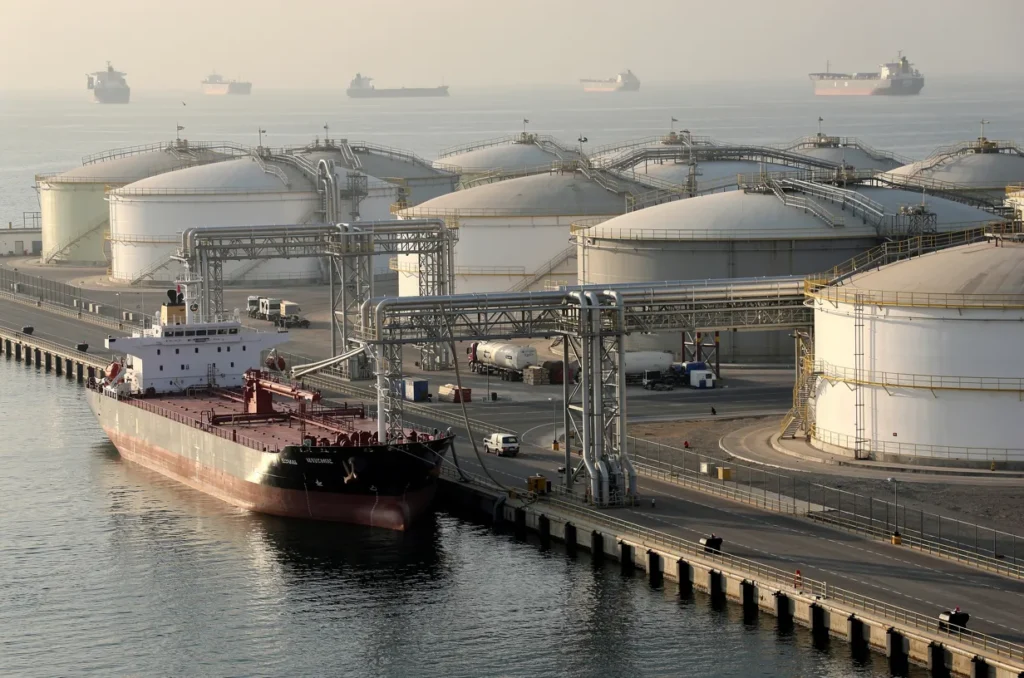
AP reported that tanker traffic through Hormuz had effectively stalled during the conflict and that moving trapped vessels out, unloading cargoes, and restarting normal shipping cycles could take months, not days. Analysts quoted by AP said countries such as Saudi Arabia and the UAE may recover faster because they have some alternative routes, while others face a slower normalization process.
That is the first reason oil may find a floor above pre-war levels even after a diplomatic breakthrough.
Production is not a switch that gets flipped back on
The second issue is production.
Reuters reported that the war disrupted millions of barrels per day of oil and gas supply, and AP noted that producers had to shut in output as storage filled and exports stalled. Restarting that system takes time. Wells, terminals, loading schedules, and crews do not all return to full cadence on the day a deal is signed.
The market can price peace quickly. It cannot move barrels that fast.
Inventories are already badly depleted
The inventory picture is one reason several analysts still sound cautious even after the price break.
Wood Mackenzie said Cushing crude stocks had fallen by 11.3 million barrels from early April to early June, leaving inventories below 25 million barrels and close to operational floors. That is a thin cushion for a market that has already spent months drawing down stocks to offset lost Gulf supply.
Reuters also noted that the conflict had forced the market to absorb a major supply shock tied to the closure of Hormuz, and AP said the restoration of normal flows would be uneven even with a deal in hand.
The structure of the deal still matters
Another reason the market is not fully clear yet is that reopening Hormuz is not the same thing as fully normalizing control, enforcement, and commercial confidence.
Reuters reported that the agreement calls for the strait to reopen within 30 days and that the route would remain under Iranian control under the deal framework. That alone leaves open questions for shipowners, insurers, and traders deciding how quickly to treat the route as reliable again.
Diplomatic language can improve sentiment fast. Insurance markets and shipping behavior usually move more slowly.
A lower oil price does not mean the supply shock is finished
The current move in crude is best read as a repricing of worst-case risk, not proof that the market has repaired itself.
A functioning Hormuz corridor, normalized tanker traffic, restored Gulf output, rebuilt inventories, and repaired infrastructure are all separate steps. The market got the first positive headline. The harder work sits in the stages after that.
That is why some analysts are still describing the return to normal as a three-to-six-month process at minimum, not a quick reset. The price of crude can move in a day. The underlying oil system cannot.
The next phase is about execution
The near-term direction in oil now depends less on whether there is a deal headline and more on whether the deal functions.
Traders will be watching for:
- actual tanker movement through Hormuz
- shipping and insurance normalization
- evidence that Gulf production is restarting cleanly
- signs that inventories stop tightening further
The market has moved out of pure panic. It has not moved back into normality.
WSA Take
The price break in oil reflects real progress. It does not mean the market is healed.
A signed agreement can reopen the path to normalization, but the physical market still has to work through stranded ships, depleted inventories, shut-in production, and damaged confidence across the Gulf shipping system. Oil has fallen because the worst-case scenario looks less immediate. The recovery from the shock still looks slow.
Explore More Stories in Commodities
Disclaimer
WallStAccess is a financial media platform providing market commentary and analysis for informational and educational purposes only. This content does not constitute investment advice, a recommendation, or an offer to buy or sell any securities. Readers should conduct their own research or consult a licensed financial professional before making investment decisions.