The Relative Value Prospects of Precious Metals in 2026
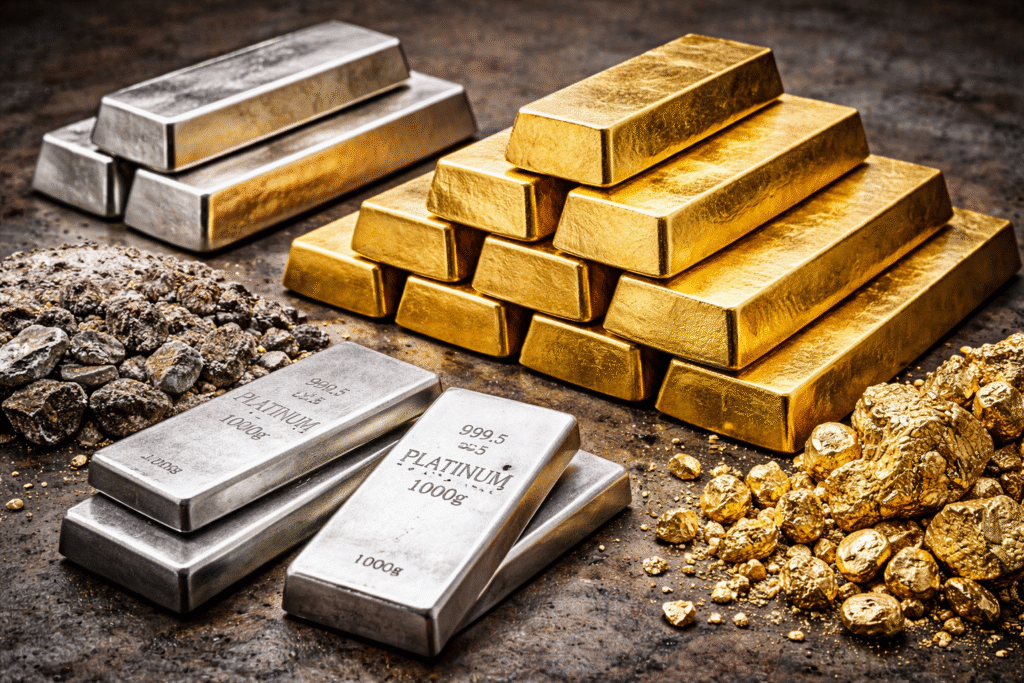
Precious metals have entered 2026 with serious momentum. After a powerful run through late 2025, gold pushed above $4,500 an ounce, silver climbed past $80, and platinum reached levels not seen since 2007. Palladium has also rebounded sharply, though it remains well below historical highs.
Since the end of 2024, precious metals have outperformed virtually every major asset class. Silver and platinum, in particular, have delivered outsized gains after spending much of the past decade trailing gold. That divergence is now forcing investors to reassess relative value across the complex.
Gold vs. Silver: Catch-Up or Crowded Trade?
Silver’s rally has been especially eye-catching, narrowing the gold-silver ratio to its lowest level in over a decade. Historically, silver tends to exaggerate gold’s moves — it’s a smaller, more volatile market that often acts as a high-beta version of gold during bull cycles.
But this move isn’t just about volatility. Silver demand has structurally changed. While photography once dominated consumption, modern demand now comes from industrial uses like solar, batteries, and electronics. That shift has helped silver reclaim relevance beyond being just “poor man’s gold.”
That said, with silver no longer deeply discounted relative to gold, the easy valuation argument is fading — making macro conditions increasingly important for further upside.
Platinum and Palladium: Still the Value Plays
Even after its rally, platinum remains historically cheap relative to gold. Two decades ago, platinum traded at a significant premium. Today, gold is roughly twice as expensive. The long decline in diesel vehicle demand hurt platinum, but much of that damage may already be priced in.
Palladium tells a similar story. Once boosted by supply shocks, it has since fallen as electric vehicles reduced demand for catalytic converters. However, if EV adoption slows — or if industrial demand stabilizes — palladium’s depressed valuation could draw renewed interest from investors seeking diversification beyond gold and silver.
Why Market Size Matters
One often overlooked factor is scale. Gold’s market dwarfs every other precious metal. Even small portfolio reallocations out of gold and into silver, platinum, or palladium can create outsized price moves simply because those markets are so much smaller.
That imbalance helps explain why rallies in non-gold metals tend to be sharp and sudden — and why relative value trades can unwind quickly when sentiment shifts.
The Macro Backdrop in 2026
The forces that fueled the precious-metals surge remain largely intact:
- Core inflation remains above target in many economies
- Central banks are easing despite inflation risks
- Global fiscal deficits continue to expand
- Geopolitical uncertainty remains elevated
As long as real rates stay constrained and fiscal discipline remains loose, precious metals are likely to stay supported. A meaningful reversal would likely require either falling inflation paired with tighter monetary policy, or a clear stabilization in global geopolitical risk.
WSA Take
The precious-metals trade in 2026 is no longer just about gold. After years of lagging, silver, platinum, and palladium have re-entered the conversation as legitimate relative-value plays. While silver’s easy upside may be behind it, platinum and palladium still screen as historically inexpensive — especially in a world where inflation, deficits, and geopolitical risk remain unresolved.
For investors, the key isn’t picking a single winner, but understanding that smaller metals can move faster — both up and down — as capital rotates within the precious-metals space.
Read our recent coverage on Jan 14, 2026 midday movers.
Explore more market insights on the WallStreetAccess homepage.
Disclaimer
WallStAccess does not work with or receive compensation from any companies mentioned. This content is for informational and educational purposes only and should not be considered financial advice. Always conduct independent research before investing.