China Floods the Market With Copper
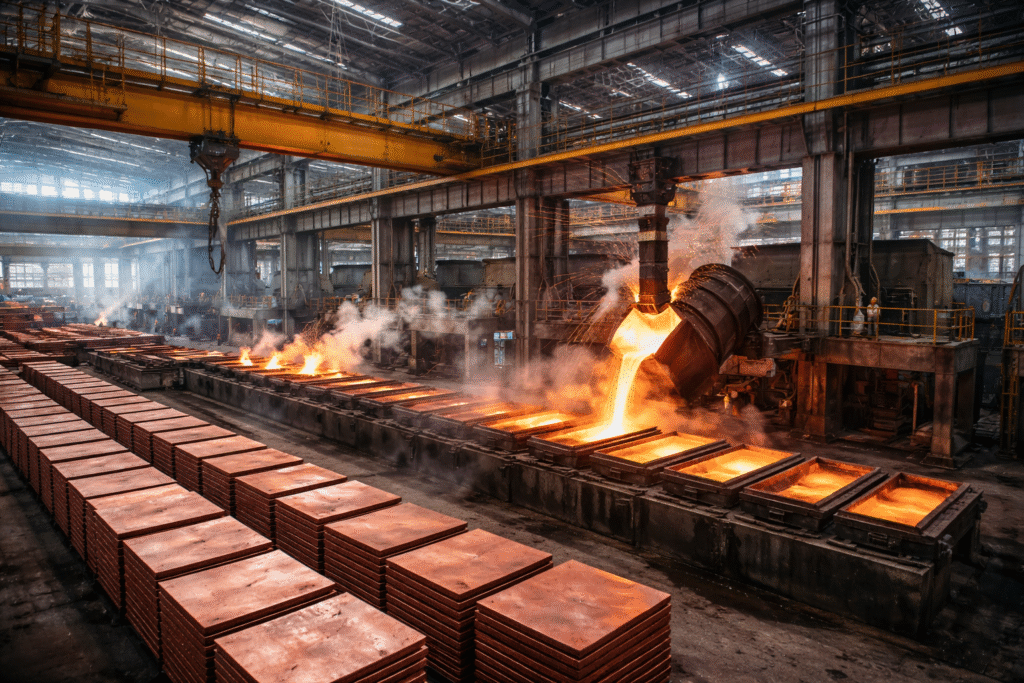
Chinese copper smelters are ramping up output to record levels, swelling global inventories and raising questions about whether the metal’s recent price rally can continue uninterrupted.
Refined copper production in China is expected to reach nearly 1.2 million tons this month, according to a survey of producers conducted by Shanghai Metals Market. That would represent a 4.6% increase from February, pushing year-to-date output growth close to 10%.
China is already the world’s largest producer and consumer of refined copper, meaning changes in its output levels often have immediate ripple effects across global commodity markets.
Despite tight availability of copper concentrate globally — which has crushed smelting treatment charges — Chinese producers have managed to keep expansion on track.
Scrap and Byproducts Help Keep Smelters Running
One factor supporting production has been the recent surge in copper prices.
When copper prices rise, more scrap metal tends to enter the market as recyclers and manufacturers release inventories. Smelters can process this scrap as a substitute for traditional mined concentrate, easing supply constraints.
Another unexpected boost has come from sulfuric acid, a key byproduct of copper refining.
Prices for sulfuric acid recently surged to their highest levels in more than a decade due to fertilizer demand and restrictions on Russian exports. Those strong byproduct economics have helped offset shrinking processing fees for copper itself.
Together, these dynamics are allowing Chinese plants to maintain record throughput even in a tight raw-material environment.
Inventories Build as Buyers Pause
While supply is climbing, global inventories of refined copper have also increased.
High copper prices earlier this year discouraged some industrial buyers, slowing real-world demand temporarily. In China, the slowdown was amplified by reduced activity during the Lunar New Year holiday period.
Still, seasonal maintenance at Chinese smelters in April and May could bring a temporary decline in production.
The Bigger Picture: Copper’s Strategic Role
Short-term fluctuations in inventory levels do little to change the long-term outlook for copper demand.
The metal sits at the center of several massive structural trends reshaping the global economy.
AI and Data Center Expansion
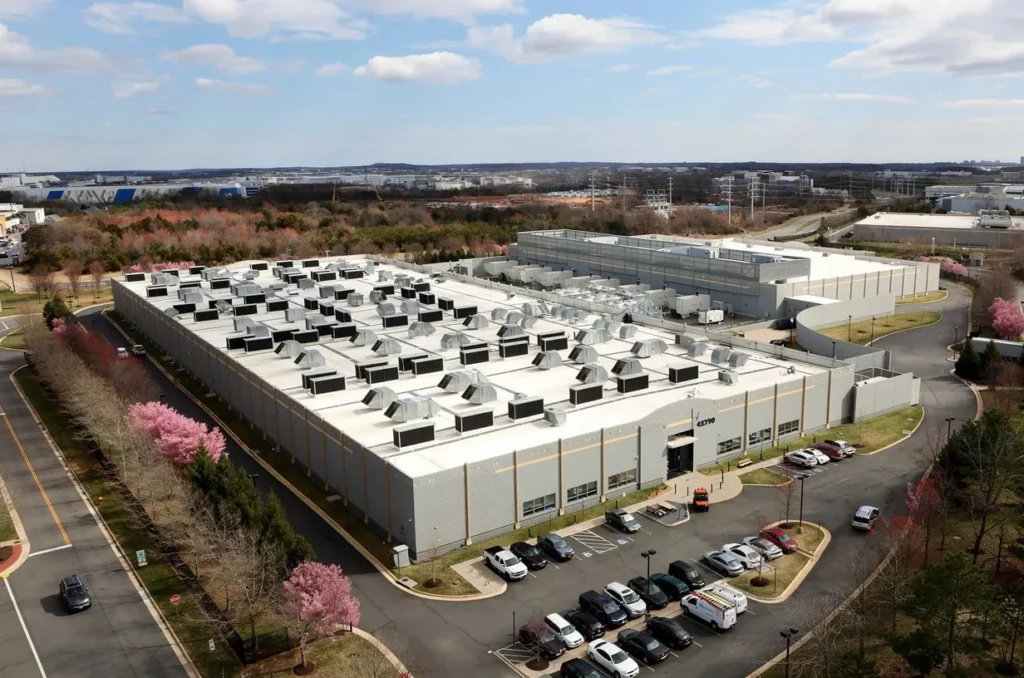
The rapid expansion of artificial intelligence infrastructure is creating a new wave of electricity demand — and copper sits at the heart of it.
Modern AI data centers require enormous electrical capacity, with thousands of GPUs running simultaneously. Every megawatt of new computing power requires extensive copper wiring, cooling systems, and transformers.
Hyperscale data centers can consume tens of thousands of tons of copper across power distribution systems, networking infrastructure, and cooling equipment.
As AI adoption accelerates, the physical infrastructure supporting those systems is becoming one of the largest new sources of copper demand.
Power Grid Expansion
To support both AI computing and electrification, the United States and other economies must significantly expand their electrical grids.
Upgrading transmission networks, building new substations, and connecting renewable power sources all require large quantities of copper.
Industry estimates suggest global power grid investment could reach trillions of dollars over the next decade, creating a sustained tailwind for copper consumption.
Electrification and Energy Transition
Copper demand is also rising from electrification trends:
- Electric vehicles use roughly three to four times more copper than traditional internal combustion vehicles.
- Renewable energy systems such as wind and solar require extensive copper wiring and grid integration.
- Battery storage systems rely heavily on copper connections and power infrastructure.
These trends are gradually tightening the long-term supply-demand balance for the metal.
WSA Take
China’s surge in copper output may temporarily weigh on prices, but it doesn’t change the bigger picture.
Copper has become one of the most strategic materials in the global economy.
AI infrastructure, electrification, and power grid expansion are creating structural demand growth that didn’t exist a decade ago.
In the near term, inventories may fluctuate as supply responds to price spikes.
But over the longer horizon, the world’s push toward electrification — and the massive computing power required for AI — continues to reinforce copper’s role as one of the most important industrial metals of the next decade.
Explore More Stories in Commodities
Disclaimer
WallStAccess is a financial media platform providing market commentary and analysis for informational and educational purposes only. This content does not constitute investment advice, a recommendation, or an offer to buy or sell any securities. Readers should conduct their own research or consult a licensed financial professional before making investment decisions.