
Markets Stabilize After Volatile Start to the Week
U.S. equities bounced Wednesday as investors reacted to signs that tensions in the Middle East may eventually move toward negotiations.
The Nasdaq Composite led early gains, climbing about 1.4%, while the S&P 500 rose 0.9% and the Dow Jones Industrial Average advanced roughly 0.7%.
The rebound followed a sharp selloff earlier in the week triggered by escalating strikes between Israel, the United States, and Iran.
Markets have been highly sensitive to developments in the conflict, which entered its fifth day as fresh strikes hit Tehran.
Diplomacy Hints Cool Oil Prices
Stocks found support after reports that Iranian officials had indirectly approached U.S. intelligence channels through intermediaries to explore terms for ending the conflict.
While officials in Washington reportedly remain skeptical, the possibility of diplomatic engagement helped ease immediate fears of a prolonged regional war.
Energy markets reacted quickly.
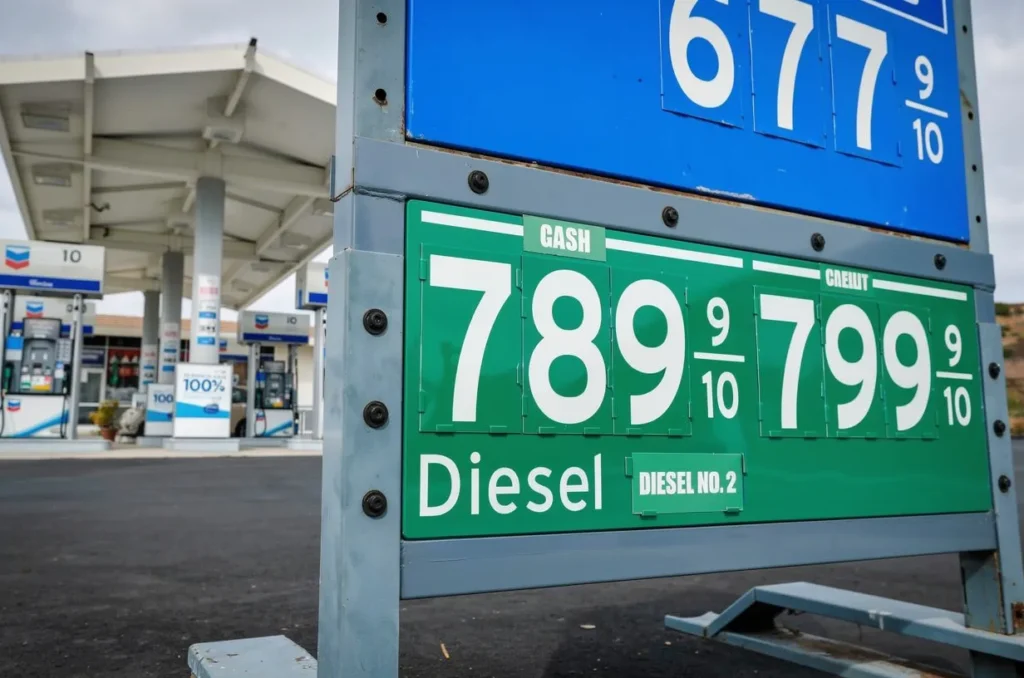
Oil prices retreated after surging earlier in the week, with Brent crude hovering near $81 per barrel and West Texas Intermediate around $73.
Lower oil prices helped calm inflation concerns that had begun to rise alongside the conflict.
Strait of Hormuz Remains a Key Risk
The stability of energy supply routes remains one of the market’s biggest concerns.
The Strait of Hormuz — one of the world’s most critical oil shipping corridors — has been under heightened threat amid Iranian warnings to disrupt tanker traffic.
In response, the administration signaled that the United States could provide security escorts and insurance support for oil shipments moving through the region.
Even with those assurances, analysts caution that energy markets remain extremely sensitive to any disruption in the area.
Labor Market Still Showing Strength
Beyond geopolitics, investors also focused on fresh economic data.
Private payroll figures showed 63,000 jobs added in February, exceeding economist expectations of roughly 50,000.
While the number does not signal explosive job growth, it reinforces the narrative that the U.S. labor market remains resilient.
That resilience continues to influence expectations for Federal Reserve policy.
A strong labor market can reduce pressure on the central bank to cut interest rates quickly.
Volatility Still Likely
Despite Wednesday’s rebound, markets remain fragile.
Geopolitical headlines, oil price movements, and upcoming economic data are all likely to drive short-term swings.
Investors are now turning their attention to the upcoming monthly U.S. jobs report, which will provide a more comprehensive look at the labor market.
WSA Take
The market is currently trading on two competing forces.
On one side is geopolitical risk, which threatens energy supply and could push inflation higher.
On the other is economic resilience, with labor data suggesting the U.S. economy remains relatively strong.
If tensions in the Middle East stabilize and oil prices cool, equities could regain momentum.
But if the conflict drags on and energy markets tighten again, inflation concerns may quickly return — bringing volatility back with them.
For now, Wall Street is watching the same thing as everyone else.
Oil prices and headlines from the Middle East.
Explore More Stories in Markets
Disclaimer
WallStAccess is a financial media platform providing market commentary and analysis for informational and educational purposes only. This content does not constitute investment advice, a recommendation, or an offer to buy or sell any securities. Readers should conduct their own research or consult a licensed financial professional before making investment decisions.