Tesla is stabilizing after a rough earnings reaction
Tesla (TSLA) looks set to finish the week higher after last week’s sharp post-earnings drop, when investors focused on the company’s rising capital spending and the prospect of negative free cash flow through the rest of the year.
That earlier selloff made sense. Management said 2026 capital expenditures will come in at more than $25 billion, driven by the company’s aggressive push into AI, robotics, and broader infrastructure. For the market, that raised a familiar Tesla question: how much near-term financial pain are investors willing to accept for long-duration bets that may take years to fully pay off?
This week, though, the stock found support from two much more tangible developments.
The Semi is finally becoming a real production story
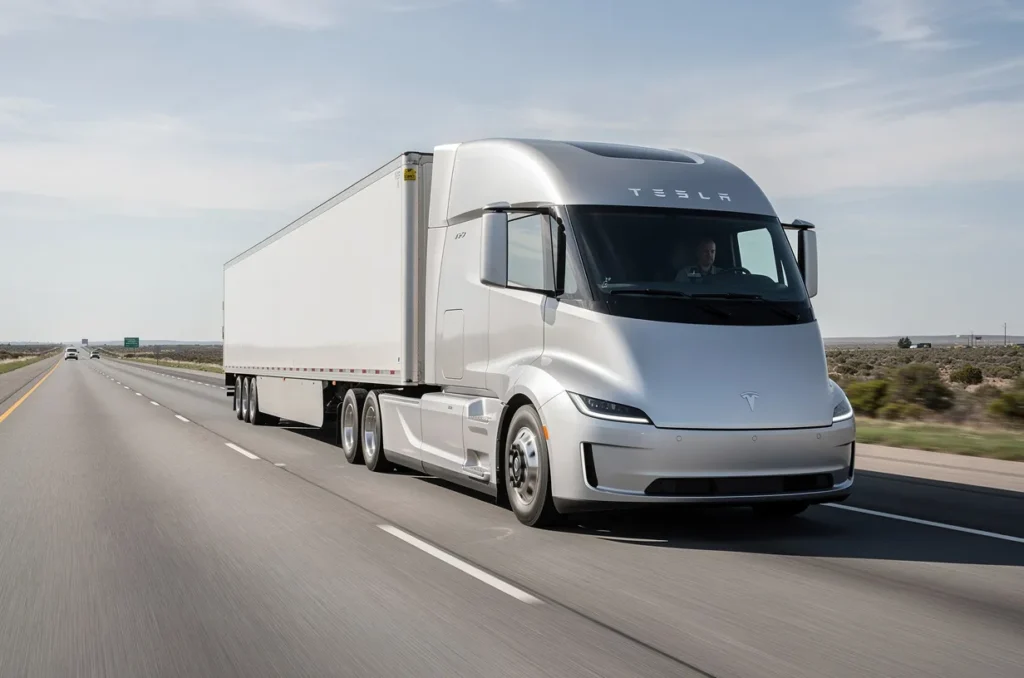
The clearest operational headline was Tesla’s confirmation that the first Tesla Semi rolled off its high-volume production line in Sparks, Nevada.
That matters because the Semi has been one of Tesla’s most delayed products. First unveiled back in 2017, it missed multiple production targets before entering limited pilot deployment with customers like Frito-Lay. Moving from test fleets to actual salable high-volume output is a much more meaningful step.
For investors, this does not suddenly turn the Semi into Tesla’s biggest business line. But it does help in three ways:
- it shows the program is still alive and moving forward
- it gives Tesla a fresh commercial product beyond passenger vehicles
- and it adds a real-world execution win after a quarter where the market was focused mostly on spending concerns
Tesla is reportedly offering two versions of the Semi:
- Standard Range: about 325 miles
- Long Range: about 500 miles
That gives investors a more concrete sense of how Tesla plans to position the truck commercially as it finally moves toward broader delivery.
This is more important than just one new vehicle
The Semi story matters beyond the truck itself.
If Tesla can establish even a modest foothold in heavy-duty trucking, it gives the company exposure to a very different category of transportation demand. Commercial fleets care about fuel economics, uptime, logistics savings, and long-term operating costs. If the Semi proves viable at scale, it could become one of Tesla’s more strategically important products even if it never reaches Model 3-style volume.
At a minimum, it helps broaden the story away from a simple passenger EV debate.
More than $500 million of sales came from inside Musk’s corporate orbit
The second major headline came from Tesla’s amended annual filing, which showed the company recognized more than $500 million in sales tied to xAI and SpaceX last year.
That is a notable figure, especially because the largest portion appears to have come from xAI, likely related to energy products such as Megapack storage. The rest came from SpaceX, which has also reportedly been buying Cybertrucks.
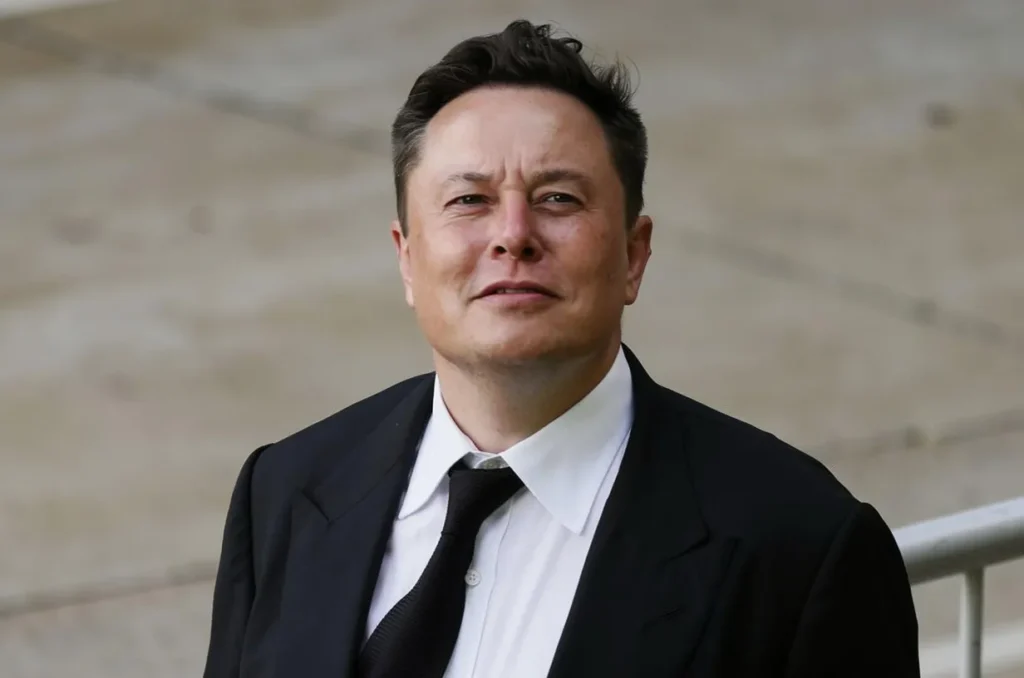
This matters because it highlights how deeply connected Elon Musk’s companies have become. Tesla is not just benefiting from outside consumer and enterprise demand. It is also generating meaningful revenue from companies inside the broader Musk ecosystem.
The Musk-company overlap is a positive — and something investors will watch closely
There are two ways investors can read that.
The positive interpretation is straightforward: Musk’s companies are reinforcing one another. xAI needs power infrastructure. SpaceX needs vehicles and equipment. Tesla can supply some of that demand directly, which helps its top line and strengthens the broader strategic ecosystem.
The more cautious interpretation is that the market may increasingly scrutinize how much Tesla’s reported commercial momentum is being helped by related-party demand rather than purely outside-market demand.
That does not make the revenue less real. But it does make the context more important.
For Tesla bulls, the read-through is that Musk’s industrial network is becoming more integrated. For skeptics, the question will be whether that interdependence eventually muddies the line between true market demand and intra-ecosystem support.
The bigger overhang still has not gone away
Even with the positive headlines, the core investor concern from last week remains in place: cash flow pressure.
Tesla is still asking the market to absorb:
- very high capital expenditures
- negative free cash flow in the near term
- and heavy investment into projects that are not yet fully proven at scale
That means the stock can still improve tactically while the broader valuation debate stays intense.
In other words, this week’s better tone does not erase last week’s concern. It just reminds investors that Tesla still has tangible operational catalysts arriving alongside the spending burden.
WSA Take
This was a better week for Tesla because the company finally gave investors something concrete to work with. The launch of high-volume Semi production is the kind of real manufacturing milestone the market had been waiting on, and the disclosure of more than $500 million in sales tied to xAI and SpaceX shows how much economic activity already exists across Musk’s broader business network.
The bigger issue, though, has not changed. Tesla is still asking shareholders to fund a very capital-intensive future centered on AI, robotics, and next-generation infrastructure. The Semi headline helps, and the related-party revenue helps, but the stock will likely keep trading on whether those long-term bets start turning into durable financial results soon enough.
Explore More Stories in Markets
Disclaimer
WallStAccess is a financial media platform providing market commentary and analysis for informational and educational purposes only. This content does not constitute investment advice, a recommendation, or an offer to buy or sell any securities. Readers should conduct their own research or consult a licensed financial professional before making investment decisions.