
A violent oil spike ran into a market with very little depth
Oil eased after an explosive rally pushed Brent crude to its highest level in roughly four years, a move driven by mounting fears that the U.S.-Iran war could drag on and keep the global energy market under severe strain.
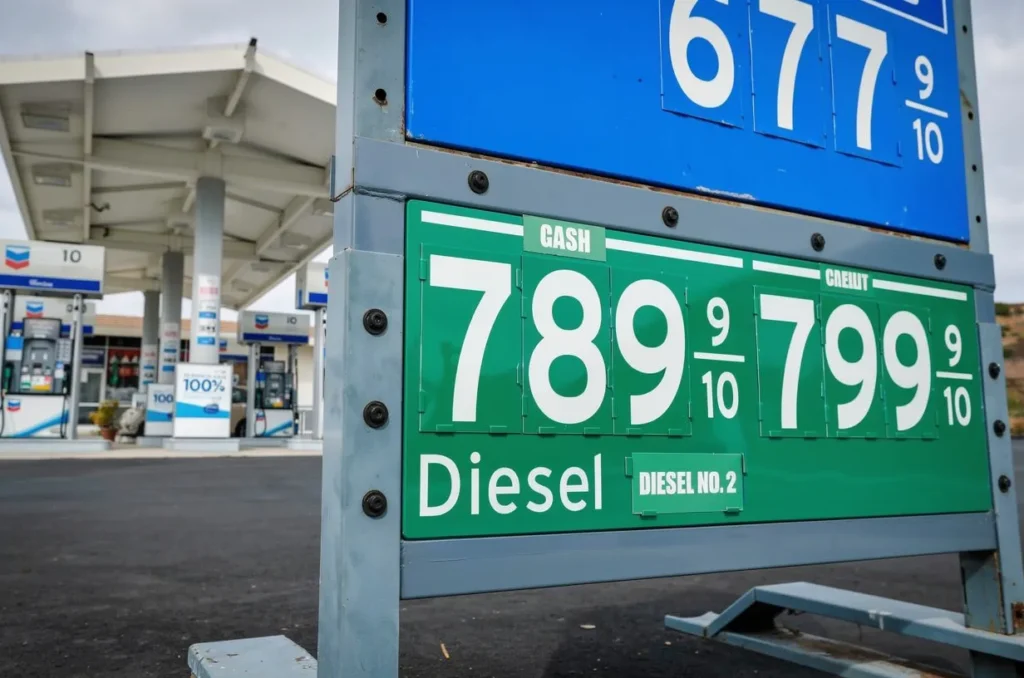
The most active Brent futures settled back near $110 a barrel, while WTI traded around $106. Earlier in the session, the expiring Brent contract had surged above $126, briefly reaching levels not seen since the turmoil that followed Russia’s invasion of Ukraine in 2022.
The retreat did not signal calm. It mostly reflected a market trading with extremely poor liquidity, low participation, and sharp contract-roll distortions.
Hormuz is still the real story behind the whole move
The most important driver remains the same: the Strait of Hormuz is still heavily disrupted.
That matters because Hormuz is one of the most critical oil shipping routes in the world, and the market is still trying to price a world where the waterway remains effectively shut while a U.S. naval blockade adds more pressure around Iranian exports.
As long as that situation remains unresolved, every pullback in oil risks looking temporary. The market knows the basic math:
- less Middle East supply
- more pressure on global inventories
- stronger demand for replacement barrels
- and a higher chance of inflation staying hot
That is why crude can cool off for a day without meaning the bigger trend has changed.
Low liquidity is making the market look even more unstable
One reason Thursday’s move looked so erratic is that actual market depth has deteriorated badly.
The source points to:
- low trading volumes
- position-closing ahead of Brent contract expiry
- heavy participation from algorithmic and trend-following traders
- much weaker human and client trading interest than earlier in the year
That matters because when liquidity gets thin, price swings can become exaggerated. The market stops behaving like a clean read on supply and demand and starts behaving like a smaller, more fragile system where mechanical flows can push prices around much more violently.
In other words, the volatility is real — but it is also being amplified.
The bullish fundamentals are still there underneath the noise
Even with the pullback, the underlying setup remains tight.
The closure of Hormuz has already disrupted a major chunk of global energy flows. At the same time, U.S. crude exports surged to a record last week, rising above 6 million barrels per day, as global buyers rushed to replace lost Middle East supply with American barrels.
That is an important signal because it shows this is not just a paper-market panic. Real buyers are actively scrambling for physical supply.
And once physical tightness starts to show up in real exports and real inventories, the market tends to treat the price spike more seriously.
The gap between paper and physical oil is starting to close
Earlier in the conflict, some of the strength in crude was easier to dismiss as futures-market fear. That is getting harder now.
The source notes that the gap between paper and physical prices is narrowing as domestic tightness begins to materialize more clearly. That matters because once the physical market starts confirming what futures traders have been pricing, the bullish case becomes more durable.
The longer Hormuz stays impaired, the harder it becomes to avoid inventory drawdowns. And if inventories slide toward minimum operating levels, the market’s floor can move higher fast.
The macro damage is starting to spread beyond oil
The energy shock is no longer just a commodity story. It is becoming a broader macro problem.
Higher oil is already feeding fears around:
- fuel shortages
- higher inflation
- slower global growth
- and a stagflation-style setup in import-heavy economies
The source notes that some major oil traders are already warning that the shock will eventually hurt demand, while Europe is starting to show signs of slower economic momentum. That combination matters because energy spikes tend to squeeze both consumers and industry at the same time.
So while crude remains bullish on supply, the broader economic read-through is getting uglier.
Trump’s posture is adding to the market’s unease
Another reason oil is staying elevated is that the White House appears to be preparing for a longer standoff rather than a quick diplomatic reset.
The source says President Trump discussed how to prolong the blockade while limiting the impact on U.S. consumers, and fresh reports indicated military options remain on the table. At the same time, Iranian leadership signaled no intention of giving up control over the Strait or backing away from key strategic positions.
That matters because markets tend to settle down when one side is clearly looking for an exit. Right now, both sides still appear willing to press.
That makes the market’s job harder. It is not pricing a temporary interruption. It is pricing the possibility of a drawn-out confrontation with no obvious off-ramp.
The next move depends on whether supply comes back soon
At this point, the market is watching one question above all others: how quickly can barrels start moving normally again?
If Hormuz reopens meaningfully, some of the recent panic premium can come out of crude. But if the blockade holds and Iranian supply stays constrained, the inventory outlook becomes much more dangerous heading into summer.
That is why time matters so much here. In a tight market, even a few extra weeks of disruption can change the entire balance.
WSA Take
Oil may have cooled from its intraday extremes, but the market still looks deeply stressed. The retreat was more about poor liquidity and contract mechanics than about any real improvement in the supply picture.
For investors, the key takeaway is simple: as long as Hormuz stays heavily disrupted, the market will keep treating oil as a real macro threat. Pullbacks can happen, but the underlying setup still points to a market trading from a position of scarcity, not comfort.
Explore More Stories in Commodities
Disclaimer
WallStAccess is a financial media platform providing market commentary and analysis for informational and educational purposes only. This content does not constitute investment advice, a recommendation, or an offer to buy or sell any securities. Readers should conduct their own research or consult a licensed financial professional before making investment decisions.