
The oil shock is now hurting gold instead of helping it
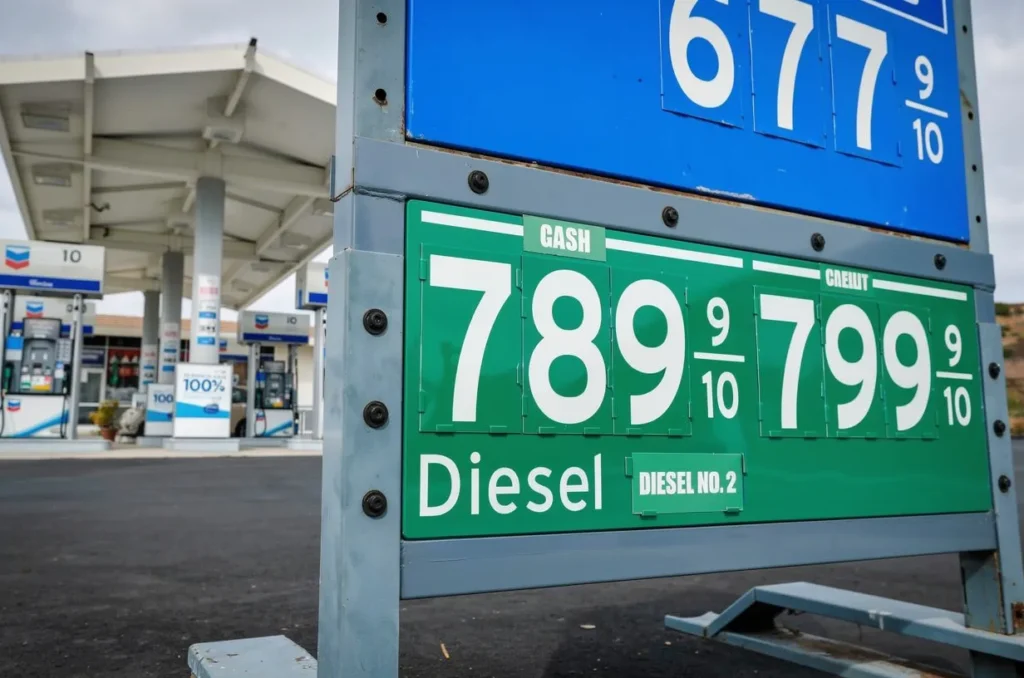
Gold dropped hard as the deadlock between the U.S. and Iran over the Strait of Hormuz continued, keeping energy markets under strain and pushing the inflation story back into focus.
According to the source, bullion fell as much as 2.7%, dropping well below $4,600 an ounce. That move may look counterintuitive at first, since geopolitical stress often supports gold. But this time the market is reacting more to the inflation-and-rates consequence of the conflict than to the conflict itself.
That distinction matters. Gold is not struggling because the geopolitical risk disappeared. It is struggling because the way that risk is feeding into oil may keep central banks tighter for longer.
The Hormuz deadlock is keeping the inflation pressure alive
The source says Iran has indicated it may be willing to accept an interim deal to reopen Hormuz if Washington ends its blockade of Iranian ports. But President Trump is reportedly not satisfied with that proposal.
That keeps the waterway largely closed and leaves the market dealing with an ongoing energy supply shock rather than a clean diplomatic breakthrough. And as long as that disruption remains in place, the inflation problem does not really go away.
That is the key link between Hormuz and gold:
- a tighter energy market lifts oil
- higher oil raises inflation risk
- higher inflation risk makes rate cuts harder
- and that creates a headwind for non-yielding gold
This is now a rates story as much as a war story
Gold has now lost more than 13% since the conflict began in late February, according to the source.
That tells you the market is no longer treating gold as a simple safe-haven trade in this episode. Instead, traders are looking at the possibility that the oil shock keeps policymakers from easing, or even forces them to sound more hawkish than they otherwise would.
That matters because gold performs best when:
- real yields are falling
- the market expects easier policy
- and inflation is not forcing central banks to stay restrictive
Right now, the Hormuz situation is leaning the macro backdrop the other way.
The market is starting to think about tighter policy again
One of the more important points in the source is that traders may even start thinking about the possibility of renewed rate hikes if the energy shock deepens.
That does not mean hikes are suddenly the base case. But the fact that analysts are even talking about that possibility tells you how quickly the oil move is changing the conversation.
The source highlights the idea that if oil keeps climbing, the market could revisit the same kind of reaction it had in mid-March, when rising energy costs pushed policy expectations in a more hawkish direction and gold sold off toward lower levels.
That is the real market risk for bullion right now: not falling geopolitical stress, but stronger inflation pressure.
This week’s central bank decisions matter more than usual
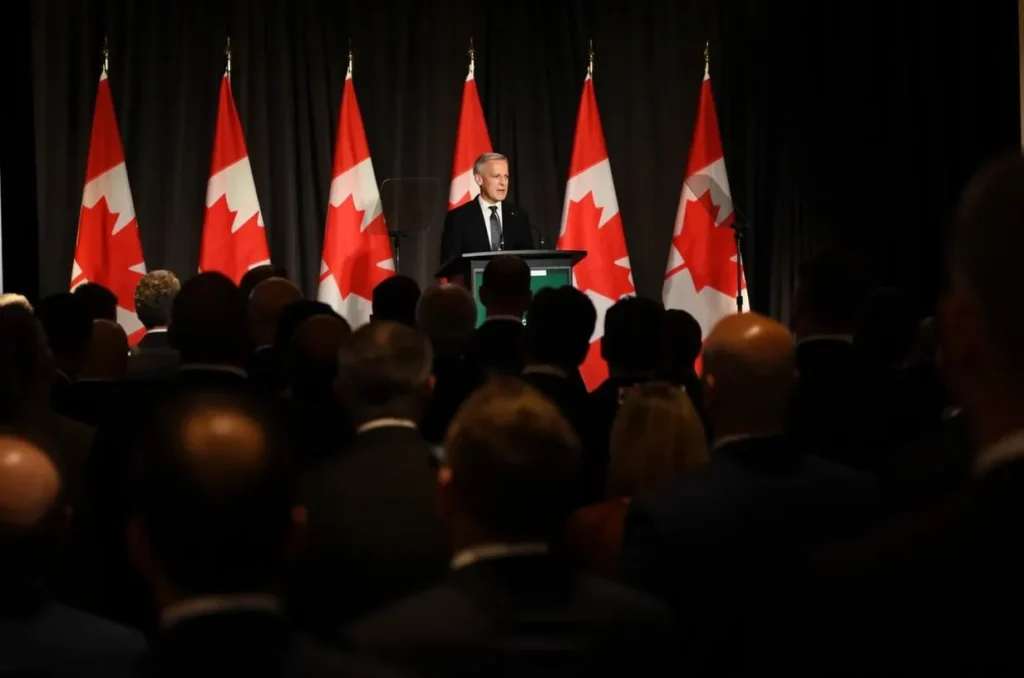
The timing also matters because traders are about to hear from multiple major central banks.
The source says the market is watching interest-rate decisions in:
- the U.S.
- the European Union
- the UK
- and Canada
The Bank of Japan has already left rates unchanged, but with enough internal tension to keep the possibility of a future hike alive.
That matters because if policymakers across major economies continue signaling caution on easing, the headwind for gold can remain in place even if geopolitical stress stays elevated.
Gold is no longer moving like a classic crisis asset
This is the deeper takeaway.
Normally, an ongoing war, a blocked shipping chokepoint, and rising geopolitical uncertainty would be expected to support gold more clearly. But this conflict has produced a different chain reaction. The market is focusing less on gold as a direct safe haven and more on how the energy shock alters:
- inflation expectations
- rate expectations
- and real yields
That is why gold can fall even while the broader geopolitical environment remains unstable.
In this case, the macro transmission mechanism is overpowering the old safe-haven instinct.
The broader metals complex was weak too
The weakness was not confined to gold.
The source says:
- silver fell sharply
- platinum declined
- palladium also moved lower
- the U.S. dollar strengthened modestly
That matters because it suggests the move was not just about one metal-specific issue. It was a broader repricing around rates, dollar strength, and macro tightening risk.
WSA Take
Gold’s drop is a reminder that not all geopolitical crises are automatically bullish for bullion. In this case, the real market driver is not fear alone — it is the inflation shock coming through oil and the risk that central banks stay tighter for longer because of it.
For investors, the key issue is whether the Hormuz standoff starts easing soon enough to cool the energy market. If not, gold may keep trading more like a victim of higher real-rate fears than a winner from geopolitical stress.
Explore More Stories in Commodities
Disclaimer
WallStAccess is a financial media platform providing market commentary and analysis for informational and educational purposes only. This content does not constitute investment advice, a recommendation, or an offer to buy or sell any securities. Readers should conduct their own research or consult a licensed financial professional before making investment decisions.