What Happened: A Shipping Chokepoint Turns Into a Fertilizer Shock
As the U.S.-Israel war with Iran moves into its third week, fertilizer markets are feeling the impact in real time. The disruption is not just about one country’s exports. It’s about the Strait of Hormuz, a narrow corridor along Iran’s coast that has been largely shut since the conflict began and is central to both energy and fertilizer logistics.
Fertilizer production is energy-intensive, with natural gas used as a key feedstock and energy representing as much as 70% of production costs. That’s one reason a large share of global fertilizer supply sits in the Middle East—and why shipping constraints in the Gulf can quickly ripple into farm input costs worldwide.
Why Hormuz Matters: Energy Losses Hit Fertilizer Output
The Strait of Hormuz is a critical artery for global trade flows. About one-third of global fertilizer trade passes through it, and roughly 20% of the world’s oil and liquefied natural gas transits the same route.
The near closure, combined with missile and drone strikes across the Gulf, has forced regional energy facilities to halt output. That matters because when gas production or exports pause, fertilizer plants often follow—especially nitrogen fertilizer facilities that depend on steady gas supplies.
Key dynamics tightening the market include:
- Strait of Hormuz shipping disruption affecting fertilizer and energy cargoes at the same time
- Regional gas output interruptions feeding directly into nitrogen fertilizer production cuts
- Spring planting preparations across the Northern Hemisphere leaving limited tolerance for delays
Why Fertilizer Is a Food-Security Issue
Fertilizer is not a niche industrial product in this context. About half of the world’s food is grown using fertilizer, so prolonged supply disruptions can translate into lower yields and tighter food availability—especially in developing countries.
In some countries, fertilizers can represent up to 50% of the cost of grain production. The most important products in the near term are nitrogen-based fertilizers like urea, because skipping application for a season can quickly reduce yields. By comparison, phosphate- and potassium-based products are often less immediately yield-sensitive on a one-season horizon.
The urea market was already tight before the conflict, with Europe having reduced output after losing access to cheap Russian gas, and China restricting fertilizer exports including urea to prioritize domestic supply.
Where Output Is Being Hit: Plant Slowdowns Spread
A growing list of production and logistics disruptions is compounding the squeeze:
- QatarEnergy halted output at the world’s largest urea plant after shutting down gas output following attacks on its LNG facilities
- In India, three urea plants cut output as LNG supplies from Qatar dropped sharply
- Bangladesh shut four of its five fertilizer factories
- Wesfarmers warned of possible shipment delays, including urea
- Egypt (about 8% of globally traded urea supply) faces nitrogen fertilizer risks after a force majeure declaration on gas exports to the country
Trade exposure is also unusually concentrated. India buys more than 40% of its urea and phosphatic fertilizers from the Middle East and recently agreed to buy 1.3 million tons of urea, with timing now a key question. Brazil is almost 100% reliant on urea imports, with nearly half of those volumes transiting the Strait of Hormuz.
In the U.S., farmers are reporting empty shelves, with the country about 25% short of fertilizer supplies for this time of year—an immediate sign that logistics stress is reaching end markets.
Prices React: Urea Jumps, With More Upside Risk if War Drags
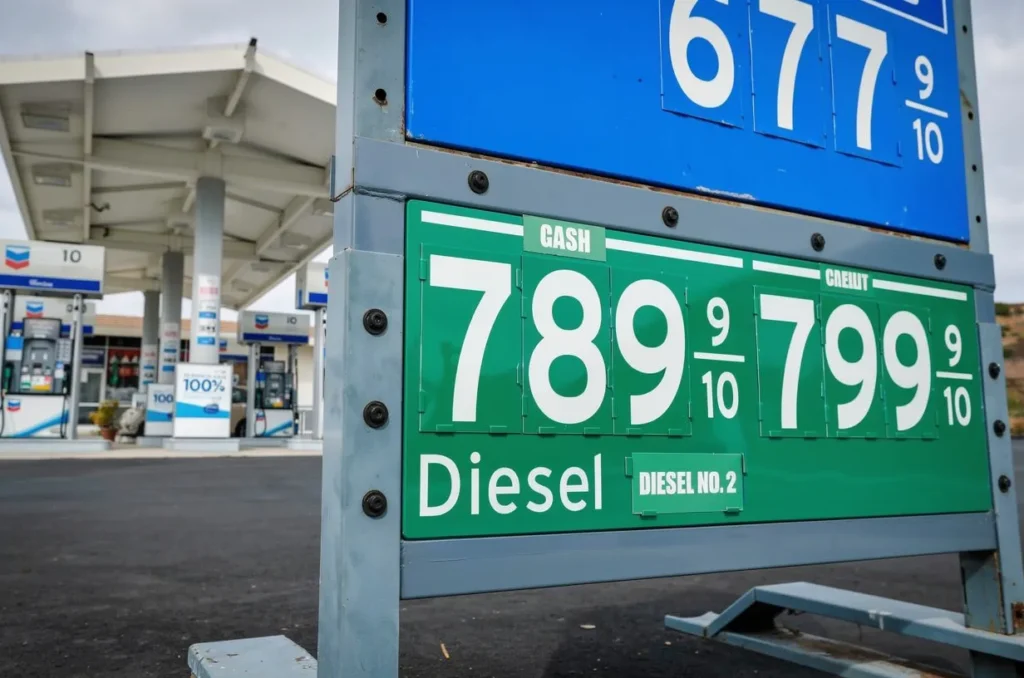
Pricing is moving quickly. Middle East urea export prices climbed about 40% to just above $700 per metric ton, from just under $500 before the war. In the U.S., fertilizer prices have surged as much as 32% since the conflict began.
Supply can’t be replaced easily. The Middle East holds a dominant share of global urea exports, and alternative producers face their own constraints: Russia is dealing with disruptions tied to drone strikes, and China is restricting exports despite large capacity. Globally, urea exports are expected to fall to about 1.5 million metric tons in March, compared with 3.5 million without China’s supplies, or 4.5–5 million with China.
Near-term signposts investors will watch next include shipping accessibility through Hormuz, the status of Gulf gas operations, and whether China adjusts export restrictions as global prices rise.
WSA Take
This conflict is pressuring fertilizer through two channels at once: blocked shipping and disrupted gas supply, both of which hit urea hardest. With Northern Hemisphere planting underway, timing matters as much as volume, and even short delays can tighten local availability. The price action already reflects that stress, and the market’s bigger risk is duration—because spare global capacity is limited and key swing suppliers face constraints. For U.S. investors, the clean read-through is higher near-term volatility across farm inputs and downstream food-cost sensitivity.
Explore More Stories in Commodities
Disclaimer
WallStAccess is a financial media platform providing market commentary and analysis for informational and educational purposes only. This content does not constitute investment advice, a recommendation, or an offer to buy or sell any securities. Readers should conduct their own research or consult a licensed financial professional before making investment decisions.