What Happened: Hormuz Becomes the New Chokepoint
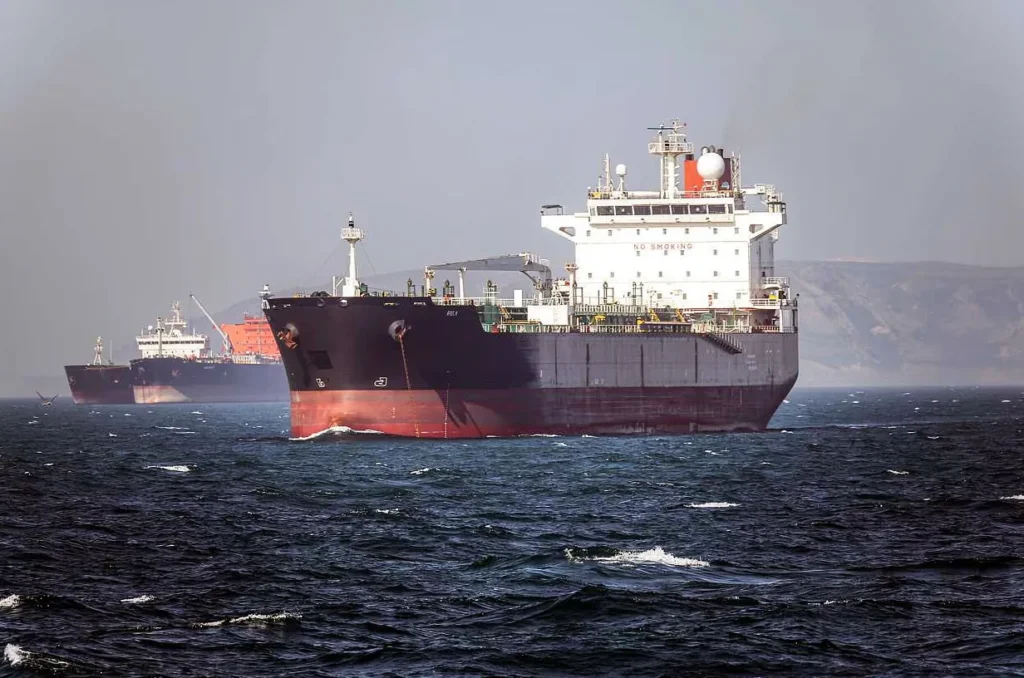
A fresh global energy shock is forcing governments back into energy-security mode after Iran closed the Strait of Hormuz, a key shipping lane for Middle East oil and gas. The closure followed U.S. and Israeli attacks on February 28, and it has quickly become one of the most consequential supply disruptions of the decade.
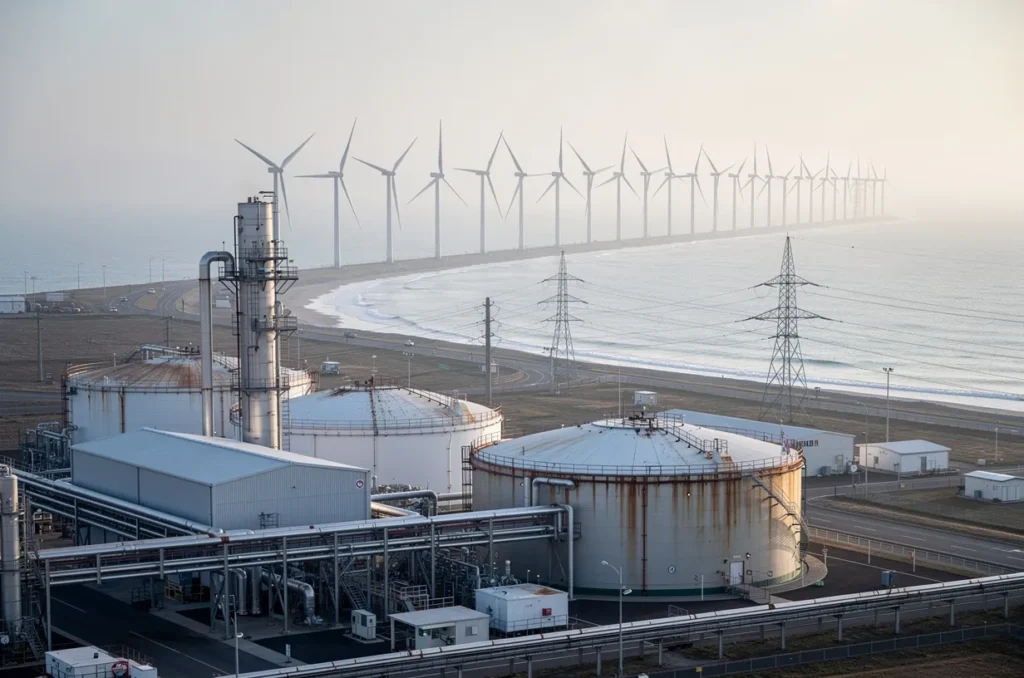
With a major artery for fossil-fuel flows effectively locked down, policymakers are treating this as more than a temporary price spike. The immediate response has been emergency stock releases and conservation messaging. The longer-term shift is broader: reduce reliance on imported oil and natural gas by adding more nuclear, scaling renewables, expanding storage and strategic reserves, and diversifying foreign suppliers.
- Roughly 20% of global oil and liquefied natural gas supply has been blocked.
- The International Energy Agency has called it the worst disruption to global energy supplies in history.
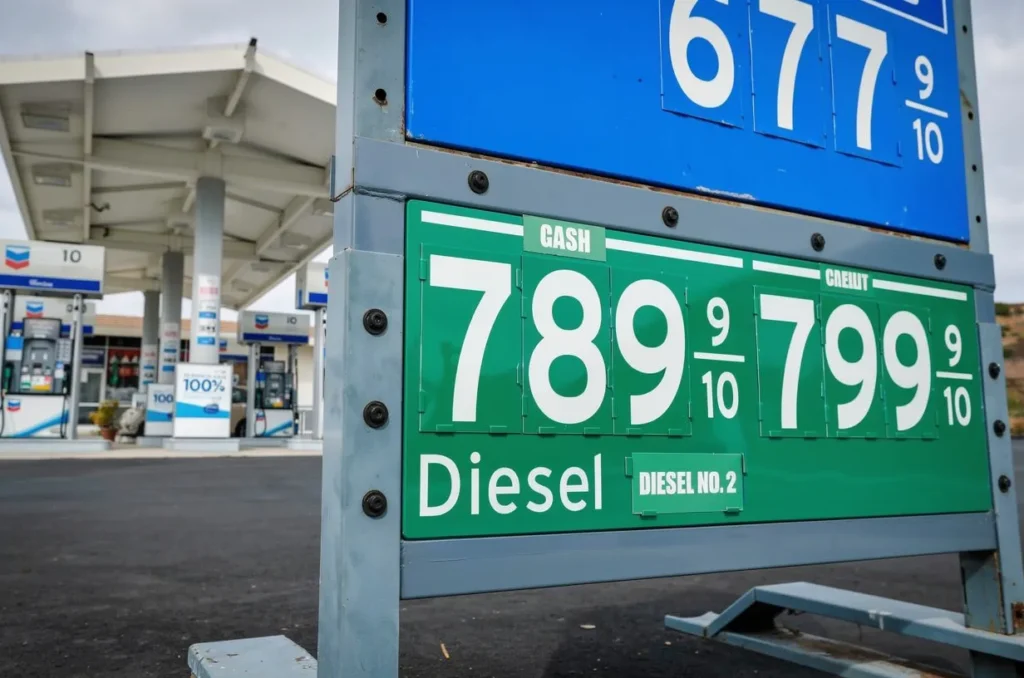
- Global crude prices have surged above $100 a barrel.
- Large consumer nations have pursued a record-sized coordinated release of emergency stocks.
Why It Matters: Energy Security Is Back in the Driver’s Seat
This is the third major energy upset of the 2020s, after the demand collapse and rebound around COVID-19 and the shift in trade flows following Russia’s 2022 invasion of Ukraine. Those shocks helped lock in a more persistent inflation problem across major economies, and this one risks reviving the same pressure through higher fuel and power costs.
The new disruption is also changing the political and financial feasibility of energy-transition policies. The push to reduce exposure to imported fossil fuels is now being framed as national resilience, not only climate policy.
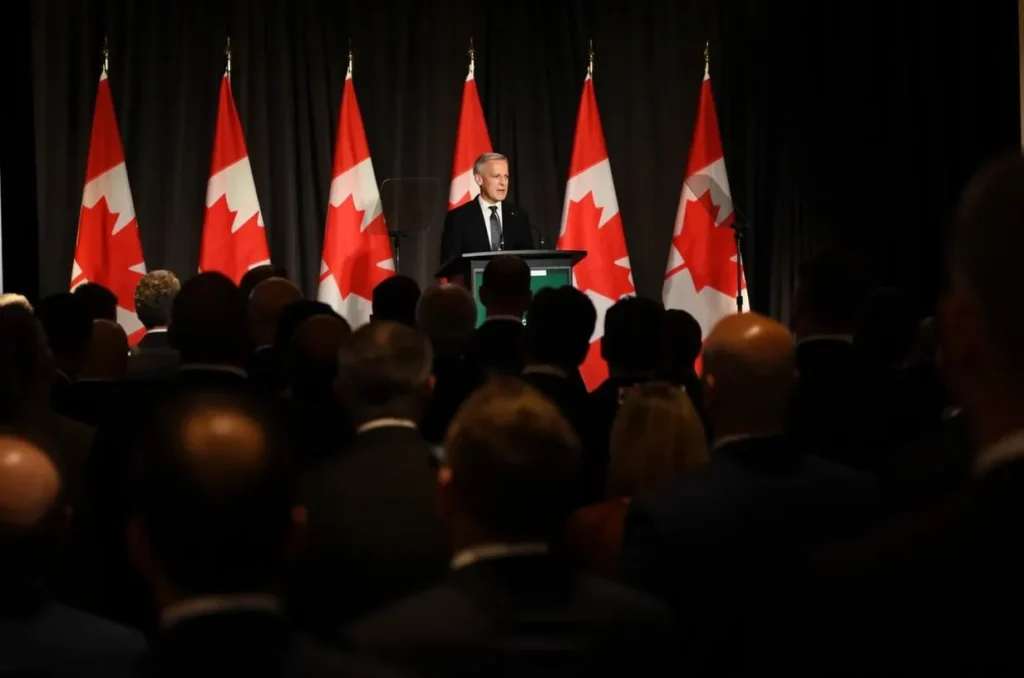
In Europe, officials have moved to support atomic power after years of shutting plants. The European Commission has outlined a program offering a 200 million euro guarantee for private investment in innovative nuclear technologies, as leaders argue that prior declines in nuclear generation left the region more exposed to volatile imports.
- EU nuclear generation has fallen to about 15% of the bloc’s total, from roughly a third in 1990.
- The EU’s fossil fuel import bill has risen by 6 billion euros since the start of the war.
- The EU is drafting changes to its carbon market to try to curb CO2 prices.
- State-aid tools being discussed include subsidies and tax breaks to blunt power-cost spikes.
Asia Feels the Pinch First
Asia sources most of its oil and LNG imports from the Middle East, leaving it most exposed to both price jumps and physical shortages. The ripple effects are already hitting industrial supply chains: refineries in Singapore and Malaysia have reduced output, and petrochemical firms in Japan and Taiwan have cut supply to customers.
The shock is also reviving debate over nuclear restarts. Taiwan’s economy minister said the island is considering restarting its last nuclear station, which closed in May, while emphasizing nuclear safety. Japan had already been discussing restarting reactors idled since the 2011 Fukushima disaster, and the war has increased pressure from politicians to do more.
- About one-third of Taiwan’s LNG supply comes from Qatar, where production has been cut by the fighting.
- Japan has been weighing additional reactor restarts to reduce import dependence.
- Multiple countries, including Japan and Taiwan, have signaled plans to diversify import sources and buy more LNG on the spot market.
China’s Near-Term Constraints, Long-Term Insulation
In China, state refiner Sinopec has cut processing runs by 10%, and Beijing has banned fuel exports to help avert shortages. Even so, China has been comparatively insulated by ample emergency oil reserves and high electrification: EVs represent more than half of domestic new car sales, and the power grid is more than 50% supplied by renewable sources.
The contrast is notable for U.S. investors because the U.S. remains far less electrified in transport, with EVs below 10% of the market and renewables around a quarter of electricity generation.
U.S. Policy Focus Shifts to Price Containment
The U.S. faces less risk of domestic shortages as the world’s largest oil and gas producer and a limited importer from the Middle East. The more immediate focus is tamping down global energy prices and the inflation channel that comes with them.
One concrete move has been easing sanctions on Russia to allow other countries to purchase more Russian oil, a partial reversal of earlier efforts to restrict Moscow’s oil revenues. Investors will watch whether additional adjustments to energy-sanctions frameworks emerge as Europe and Asia try to replace lost supply, especially in LNG, which now accounts for 45% of the EU’s gas imports.
WSA Take
The Hormuz shutdown is a reminder that energy prices can reprice quickly when physical supply routes fail, and the knock-on effects can flow straight into inflation and industrial margins. The bigger investing implication is the policy response: more strategic reserves, more diversified import contracts, and a renewed willingness to fund nuclear alongside renewables. Europe’s pivot back toward atomic support highlights how energy security can override long-running political resistance. The next key signal is whether emergency measures evolve into durable capex plans that reshape fuel mix, LNG contracting, and grid investment over multiple years.
Explore More Stories in Markets
Disclaimer
WallStAccess is a financial media platform providing market commentary and analysis for informational and educational purposes only. This content does not constitute investment advice, a recommendation, or an offer to buy or sell any securities. Readers should conduct their own research or consult a licensed financial professional before making investment decisions.