What Happened in the Gulf Energy Complex
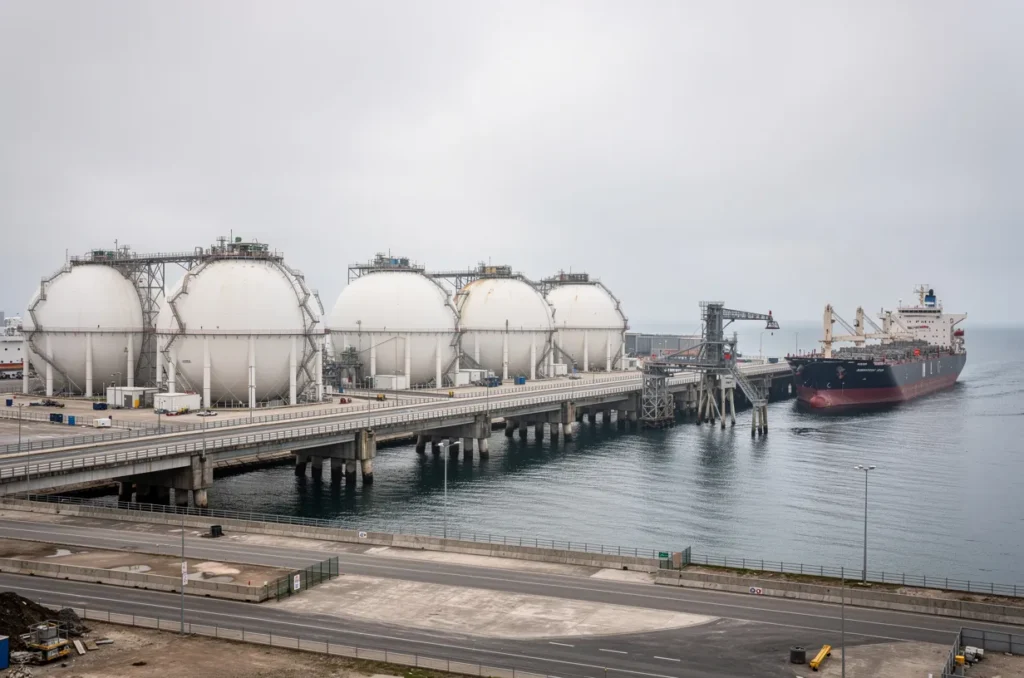
An Israeli attack hit Iran’s main energy asset, the South Pars natural gas field, along with infrastructure around the nearby Asaluyeh processing hub. Iran responded with attacks on energy targets across the Middle East, marking a sharp escalation in a conflict that has already pushed global oil and gas prices higher.
For markets, the key issue is not only immediate damage but also the risk of continued disruption to infrastructure that sits at the center of Iran’s domestic energy supply chain and regional pipeline flows.
- The strike targeted South Pars and facilities tied to processing at Asaluyeh.
- The escalation comes after weeks of conflict that has lifted energy prices and widened macro risk concerns.
- Energy infrastructure has become an explicit target set, raising the probability of repeat disruptions.
Why South Pars Matters to Global Gas
South Pars, located in the Persian Gulf and shared by Iran and Qatar, is described as the world’s largest offshore natural gas field. The reservoir is estimated to contain about 1,800 trillion cubic feet (about 51 trillion cubic meters) of usable gas. Iran’s total proven natural gas reserves are listed at about 34 trillion cubic meters.
The field underpins Iran’s role as the Middle East’s largest gas producer and the world’s third-largest after the United States and Russia. Development has been carried out in phases, each combining offshore platforms, pipelines, and onshore processing capacity concentrated near Asaluyeh.
South Pars has also been hit before. Last June, strikes hit four units of Phase 14, around 200 km from Qatar’s gas installations—an important reminder that investors can’t treat the asset as risk-free even when production appears steady.
- World’s largest offshore natural gas field, shared by Iran and Qatar.
- Estimated 51 trillion cubic meters of usable gas in the reservoir.
- Developed in phases tied to offshore production and onshore processing near Asaluyeh.
- Previously targeted, including strikes affecting parts of Phase 14.
Iran’s Domestic Dependence Is the Immediate Pressure Point
South Pars supplies most of the gas Iran uses. Iran’s gas consumption was about 276 billion cubic meters in 2024, and South Pars accounts for roughly 70% to 75% of Iran’s total gas production.
Crucially, Iran uses the overwhelming majority of its own production at home. More than 90% of production is consumed domestically, with households heavily dependent on gas for cooking and heating. The residential sector represented 41.5% of total final gas consumption in 2023, followed by industry at 36%. Gas also serves as feedstock for petrochemical output such as plastics and fertilizers. On the power side, about 85% of Iran’s electricity generation is tied to gas-fired plants.
When domestic supply can’t meet peak demand, outages become a real economic channel: Iran has faced blackouts, and can shift to burning diesel and fuel oil at thermal power plants when gas runs short. That substitution can change local fuel balances and raises broader concerns about knock-on impacts across refined products and emissions-related policy risks.
- 276 bcm of gas consumed in Iran in 2024.
- 70%–75% of Iran’s gas production tied to South Pars.
- More than 90% of production used domestically; households are a major demand center.
- About 85% of electricity generated by gas-fired power plants.
Exports Are Small, but Pipeline Links Create Regional Risk
Unlike Qatar, Iran has no liquefied natural gas capacity and exports gas only via pipelines. In 2024, Iran exported around 15 bcm, mainly to Turkey and Iraq. Iran’s long-term gas contract with Turkey expires in mid-2026 and is expected to be renewed at lower volumes. Iraq signed a five-year deal in 2024 tied to supplying Iraqi gas-fired power plants.
After Wednesday’s attack, Iranian gas flows to Iraq were halted as Iran diverted gas to domestic needs. Investors will now watch whether any South Pars-related outages persist and whether regional energy targets broaden, because that’s what can turn a contained incident into a longer-lived risk premium in global commodities—especially for U.S. investors tracking WTI, Brent, and global natural gas sentiment.
WSA Take
The market relevance of the South Pars strike is less about Iran’s direct LNG role (it has none) and more about the conflict’s willingness to hit core energy infrastructure. Because South Pars feeds most of Iran’s domestic gas system, any sustained disruption can quickly pressure power generation, industry, and petrochemical feedstocks, increasing the odds of broader economic spillovers. The near-term regional signal is also clear: pipeline flows can be curtailed quickly when domestic supply takes priority, as seen with Iraq. The next catalyst for commodities will be operational—evidence of damage duration, restoration pace, and whether energy assets remain in the line of fire.
Explore More Stories in Commodities
Disclaimer
WallStAccess is a financial media platform providing market commentary and analysis for informational and educational purposes only. This content does not constitute investment advice, a recommendation, or an offer to buy or sell any securities. Readers should conduct their own research or consult a licensed financial professional before making investment decisions.