What The Energy Department Just Signaled
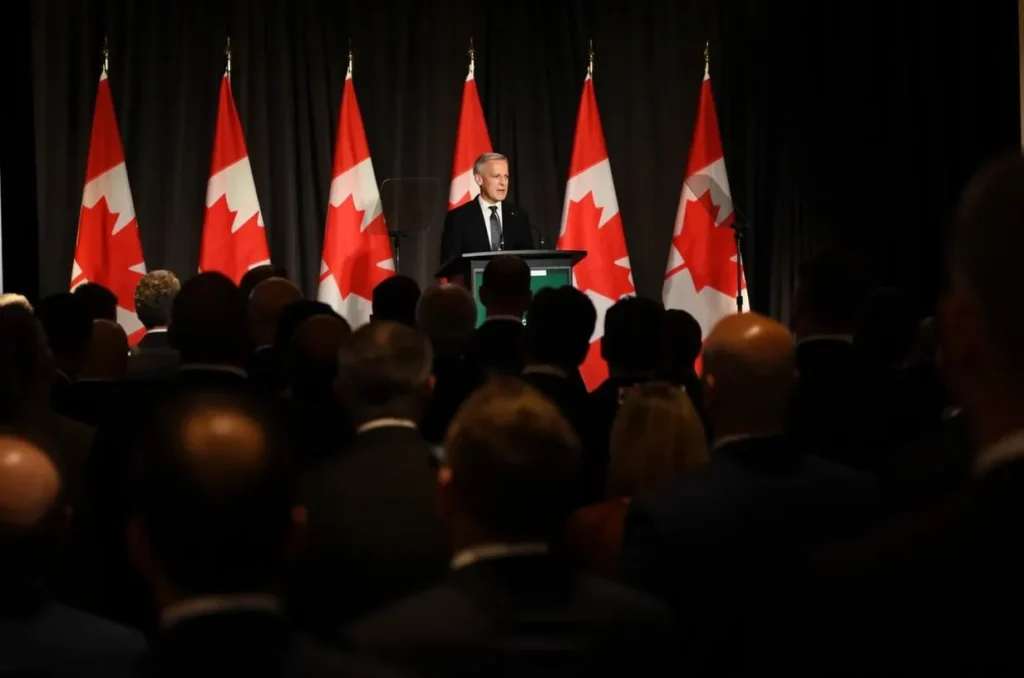
The U.S. Energy Secretary said the United States is “highly unlikely” to release additional oil from the Strategic Petroleum Reserve (SPR) to calm energy markets during the war with Iran. The comments were made in a televised interview from Houston, with the official adding that a new release is still possible, but unlikely.
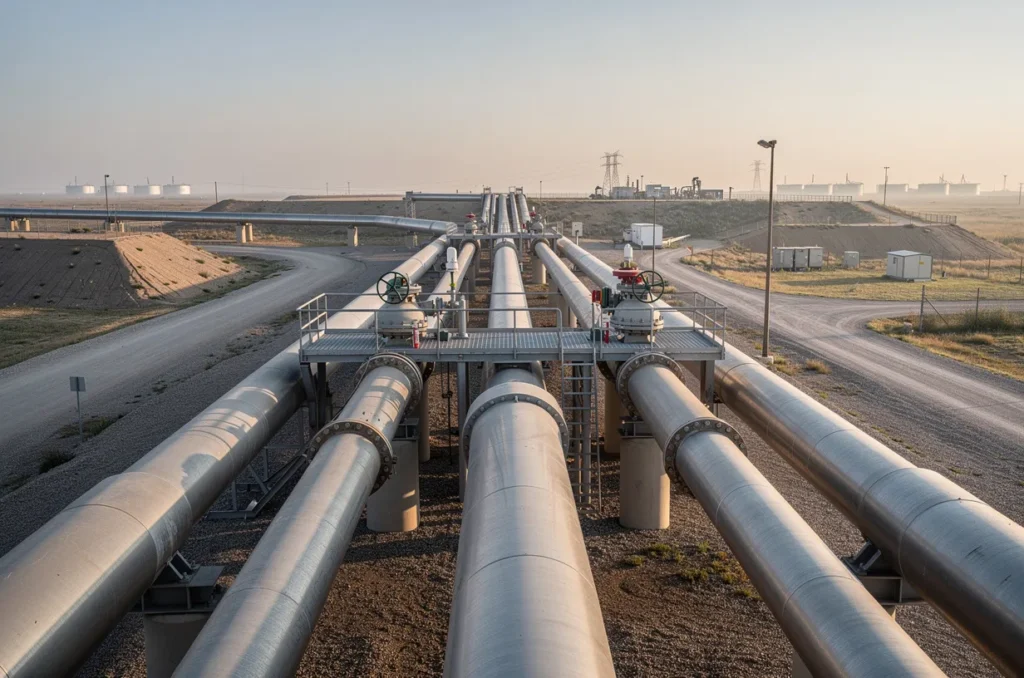
For markets, the message is straightforward: policymakers appear more inclined to work with tools other than another drawdown from the SPR, even as energy prices and supply expectations remain sensitive to geopolitics.
- The U.S. described another SPR release as “highly unlikely.”
- Officials pointed to alternative steps aimed at easing fuel-market pressure.
- The focus included improving refinery efficiency and bringing more diesel to market.
Why This Matters For Oil And Refined Fuels
The SPR has acted as a pressure valve in prior periods of market stress. When officials indicate they do not expect to lean on it again, it can shift expectations about how quickly the government might respond to further price spikes.
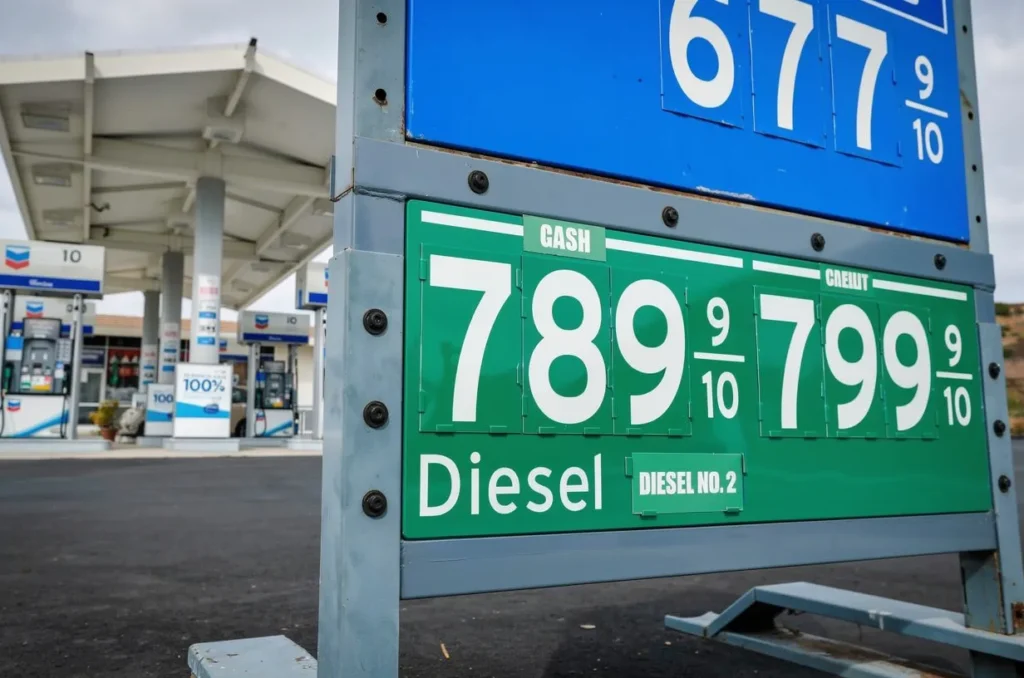
At the same time, the Energy Secretary emphasized “other levers” the government is looking at. That framing matters because it points attention toward refined-product constraints, not just crude supply. In practice, the tightest pinch for consumers and parts of industry can show up in products like diesel, where refinery utilization and efficiency are key.
- Crude oil can be abundant while refined products remain constrained.
- Refineries and product yields help shape diesel availability.
- Policy emphasis is shifting from emergency barrels toward operational improvements.
The Exchange Program: Size, Timing, And Repayment
Earlier this month, the U.S. announced 172 million barrels would be exchanged from the SPR in batches. The move was part of a broader coordinated release with 32 International Energy Agency countries.
Separately, the Energy Department said late Friday it loaned 45.2 million barrels from the SPR to energy companies in the first batch. That was a little more than half of the 86 million barrels offered in that initial round.
The exchange structure also includes a meaningful repayment feature. The loans come with premiums of about 20%, meaning companies must repay in additional barrels back into the reserve.
- Announced total exchanges: 172 million barrels (in batches).
- First-batch loans completed: 45.2 million barrels.
- First-batch volume offered: 86 million barrels.
- Repayment premium: about 20% in additional barrels.
What Changes Next For Energy Markets
The Energy Secretary said the swaps should leave the SPR with more oil by the end of next year than the roughly 415 million barrels it has today. That is an important point for investors watching the government’s ability to respond to future disruptions: the policy goal is not simply to release barrels, but to replenish over time through repayment-in-kind.
Near-term, the market will watch how quickly exchange volumes flow, how refinery-related efforts translate into higher diesel supply, and whether geopolitical developments change the policy calculus. For U.S. investors, the bigger takeaway is that refined fuels and operational capacity may be as influential as headline crude barrels in the months ahead.
WSA Take
The government is signaling that the SPR is not the first tool it wants to use again, even amid an elevated geopolitical backdrop. With a large exchange program already underway, the focus is shifting toward how the system functions day to day—especially refinery efficiency and diesel supply. The repayment premium matters because it aims to rebuild the reserve over time, potentially improving future flexibility. The next market test is whether these non-SPR levers can meaningfully ease product tightness without another emergency release.
Explore More Stories in Commodities
Back to WallStAccess Homepage
Disclaimer
WallStAccess is a financial media platform providing market commentary and analysis for informational and educational purposes only. This content does not constitute investment advice, a recommendation, or an offer to buy or sell any securities. Readers should conduct their own research or consult a licensed financial professional before making investment decisions.