Markets Try to Bounce — but Oil Is Still Calling the Shots
U.S. stocks turned sharply higher Thursday morning before giving back much of the move, as investors reacted to a new signal out of Iran that briefly raised hopes for calmer energy markets.
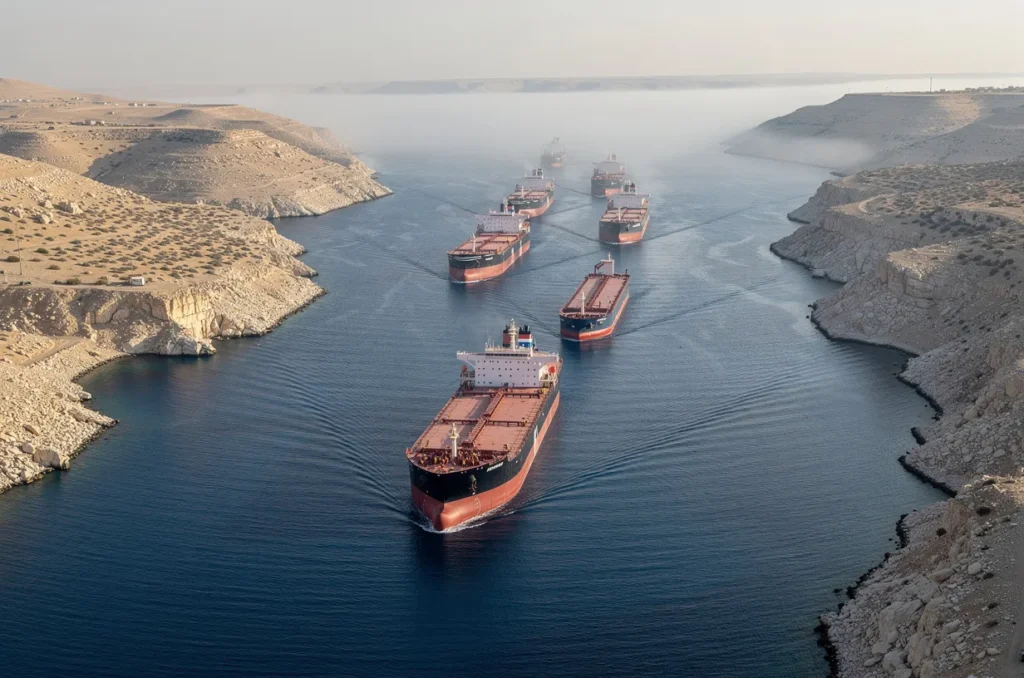
The catalyst was a comment from Iran’s deputy foreign minister saying the country was drafting a protocol with Oman to manage traffic through the Strait of Hormuz — one of the most important oil shipping routes in the world.
That headline mattered immediately.
The Dow, S&P 500, and Nasdaq all pared losses after opening lower, as traders rushed to price in the possibility that the energy shock at the center of the current market panic could soften.
But the rebound did not fully hold.
Because even as hopes for Hormuz stabilization appeared, the broader message from Washington remained far more aggressive.
The Real Story Is Still Oil
The market may have bounced on diplomacy headlines, but crude stayed elevated for a reason.
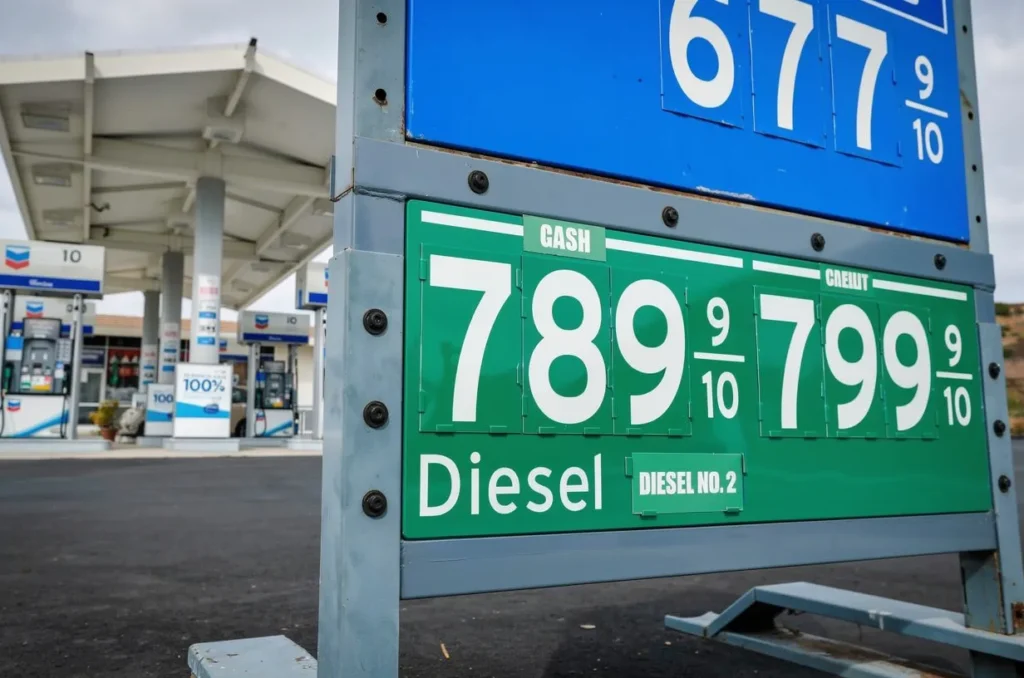
After a forceful national address, the White House signaled that the conflict with Iran could intensify before any exit becomes clear. That pushed West Texas Intermediate above $110 per barrel and Brent above $107, adding fresh pressure to already fragile market sentiment.
That is the key issue.
Stocks can tolerate geopolitical noise for a while.
What they struggle with is an oil shock that starts to look durable.
And right now, the market is staring at a scenario where:
- military tensions are rising
- supply routes remain vulnerable
- crude is surging
- inflation risk is reappearing
That combination is much harder for equities to absorb than war headlines alone.
Why the Strait of Hormuz Matters So Much
The Strait of Hormuz is not just another regional shipping route.
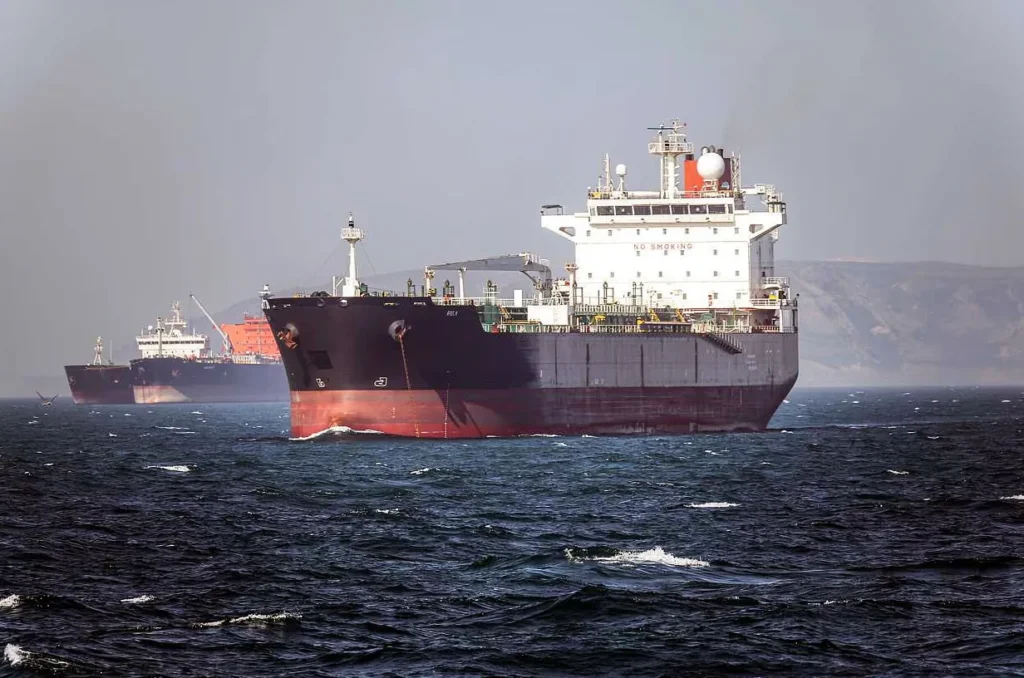
It is one of the world’s most important energy chokepoints, and markets view any threat to its normal function as a direct threat to global supply stability.
That is why even a tentative signal about reopening or managing traffic through the strait can move stocks, bonds, and commodities all at once.
If Hormuz stabilizes, energy markets could cool fast.
If it stays constrained, inflation fears grow quickly.
That is the balance investors are trading every hour right now.
Jobs Data Was Fine — but It Wasn’t the Focus
Thursday’s initial jobless claims came in lower, with claims falling to 202,000 for the week. Under normal circumstances, that would have supported a more stable tone in markets.
But this is not a normal macro backdrop.
Right now, labor data is secondary to oil.
Because if crude keeps climbing, investors know the implications move quickly into:
- consumer spending
- transport costs
- inflation expectations
- Fed policy flexibility
The market is already looking ahead to the next jobs report, but the bigger variable remains the same: energy.
WSA Take
This market is no longer trading on traditional fundamentals first.
It is trading on one question:
Will the Strait of Hormuz remain functional enough to stop oil from spiraling even higher?
That is the entire near-term game.
The positive headline from Iran showed how badly markets want an off-ramp. But the broader war rhetoric from Washington showed why investors are not ready to trust one yet.
As long as crude stays above psychologically important levels and the path of the conflict remains uncertain, stocks are likely to stay unstable.
The rebound attempt was real.
The relief was understandable.
But oil is still the scoreboard.
Explore More Stories in Markets
Disclaimer
WallStAccess is a financial media platform providing market commentary and analysis for informational and educational purposes only. This content does not constitute investment advice, a recommendation, or an offer to buy or sell any securities. Readers should conduct their own research or consult a licensed financial professional before making investment decisions.