What Happened
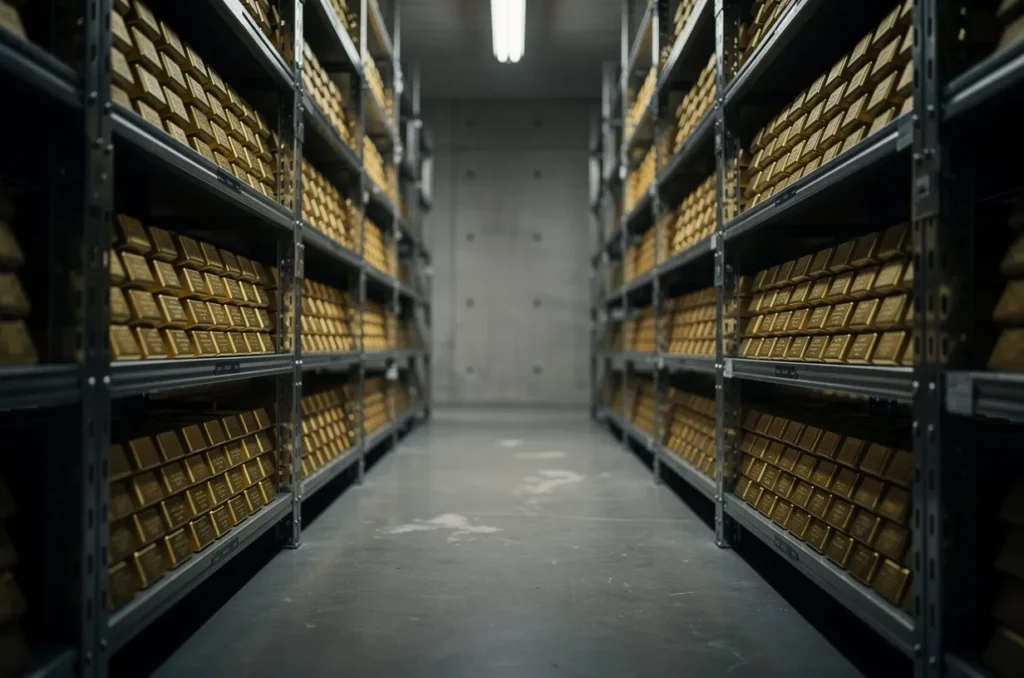
Gold advanced for a third straight day as traders weighed the chances of a diplomatic path in the Iran war, even as signs of instability around the ceasefire kept markets on edge.
Bullion traded around $4,770 an ounce, extending a roughly 1.5% gain over the previous two sessions. The move came as Iran accused the U.S. of violating the truce, while the Trump administration challenged both the ceasefire terms and Tehran’s compliance.
At the same time, the Strait of Hormuz remained effectively closed, keeping one of the market’s biggest geopolitical pressure points unresolved.
The Ceasefire Did Not Calm The Market Completely
The ceasefire may have reduced the odds of an immediate escalation, but it did not remove the underlying tension.
President Trump said he would keep troops in the Persian Gulf ahead of talks meant to reinforce the truce. Ship traffic through Hormuz stayed largely blocked, even as some Chinese vessels reportedly lined up to leave.
That left markets in an awkward middle ground. The immediate panic around a full regional breakdown eased, but energy flows were still disrupted and confidence in the truce remained weak.
Gold Was Trading Off Geopolitics And Rate Uncertainty
The latest move in gold reflects two competing forces.
On one side, the longer the conflict drags on, the more it supports gold through:
- geopolitical risk
- reserve diversification
- central bank buying
- concerns about the U.S. dollar and fiscal stability
On the other side, the war has also pushed energy prices higher and increased inflation risk, which can delay interest rate cuts or even force tighter policy. That is usually a headwind for non-yielding gold, which tends to benefit more when borrowing costs are lower.
So the gold trade is no longer just about safe-haven buying. It is also tied to how investors think the war will affect inflation, growth, and the Federal Reserve.
The Fed Is Facing Two Very Different Paths
That tension showed up in the latest Federal Open Market Committee minutes, which highlighted how policymakers are balancing sharply different scenarios for the U.S. economy.
A prolonged war could mean:
- higher energy prices
- stickier inflation
- delayed rate cuts
But it could also lead to:
- slower economic growth
- a weaker labor market
- eventual pressure for lower rates
That split matters for gold because it creates uncertainty around the exact rate path, while still keeping macro risk elevated.
Fresh U.S. Data Added To The Mix
New data added more complexity on Thursday. The U.S. economy was shown to have expanded more slowly than previously estimated in the final months of 2025, while consumer spending barely rose in February.
The latest inflation numbers also stayed firm:
- core PCE rose 0.4% from January
- the annual core reading increased 3%
That report did not yet reflect the most recent jump in energy prices, which means markets are now looking ahead to the next consumer price index release for a clearer read on how much of the war-driven inflation shock is feeding through.
Gold Has Not Been A Perfect Safe Haven
One of the more notable features of this war has been that gold has not behaved like a classic straight-line safe haven.
Since the conflict began, bullion has often moved in tandem with stocks, as some investors sold gold to raise liquidity or cover losses elsewhere. That has limited the metal’s diversification role in the short term.
Still, the broader support story has not gone away. Even if the near-term recovery looks uneven, the longer-term case remains supported by:
- central bank demand
- reserve diversification
- fiscal concerns
- hedging against dollar weakness
Other Metals Were Mixed
In broader metals trade:
- silver edged slightly higher
- platinum gained
- palladium slipped
The Bloomberg Dollar Spot Index was little changed after falling in the previous session, another sign that markets are still trying to sort out whether the bigger story is geopolitics, rates, or growth.
WSA Take
The latest move in gold says less about calm returning and more about uncertainty staying elevated. The ceasefire may have reduced the odds of an immediate worst-case outcome, but with Hormuz still restricted and both sides disputing the terms, the geopolitical backdrop is still unstable.
For investors, gold remains caught between two forces: inflation risk, which can keep rates higher, and macro instability, which can ultimately support the metal if growth weakens. In the short term, that keeps volatility alive. In the bigger picture, the underlying case for gold still looks intact.
Explore More Stories in Commodities
Disclaimer
WallStAccess is a financial media platform providing market commentary and analysis for informational and educational purposes only. This content does not constitute investment advice, a recommendation, or an offer to buy or sell any securities. Readers should conduct their own research or consult a licensed financial professional before making investment decisions.