What Happened
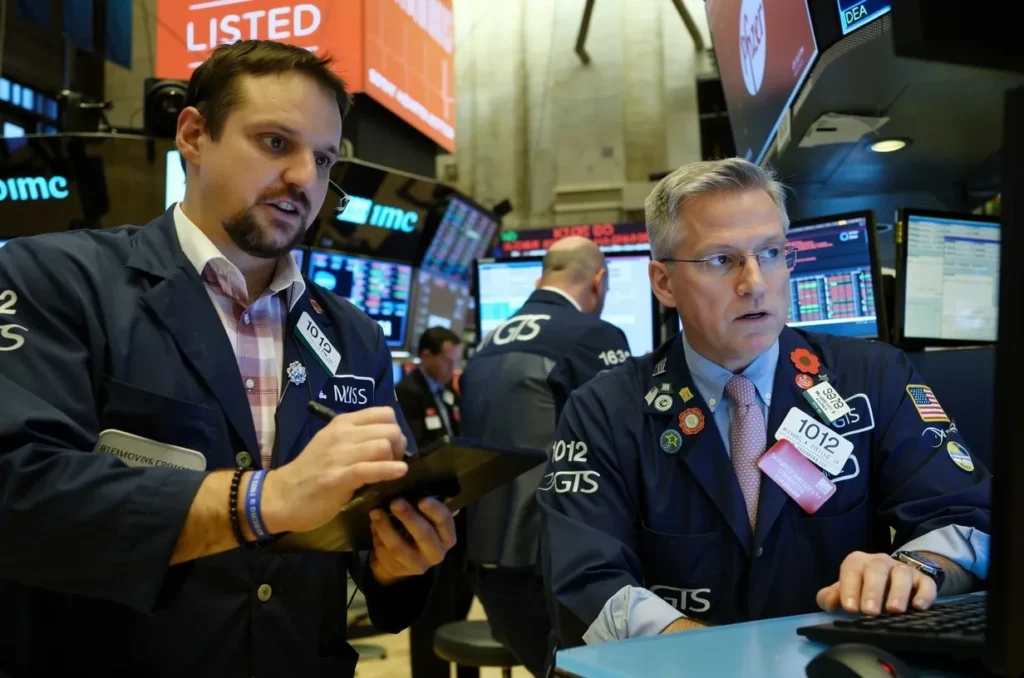
U.S. stocks staged a turnaround on Thursday after Israeli Prime Minister Benjamin Netanyahu agreed to direct negotiations with Lebanon, a move investors viewed as supportive of the fragile ceasefire framework the U.S. had been trying to hold together with Iran.
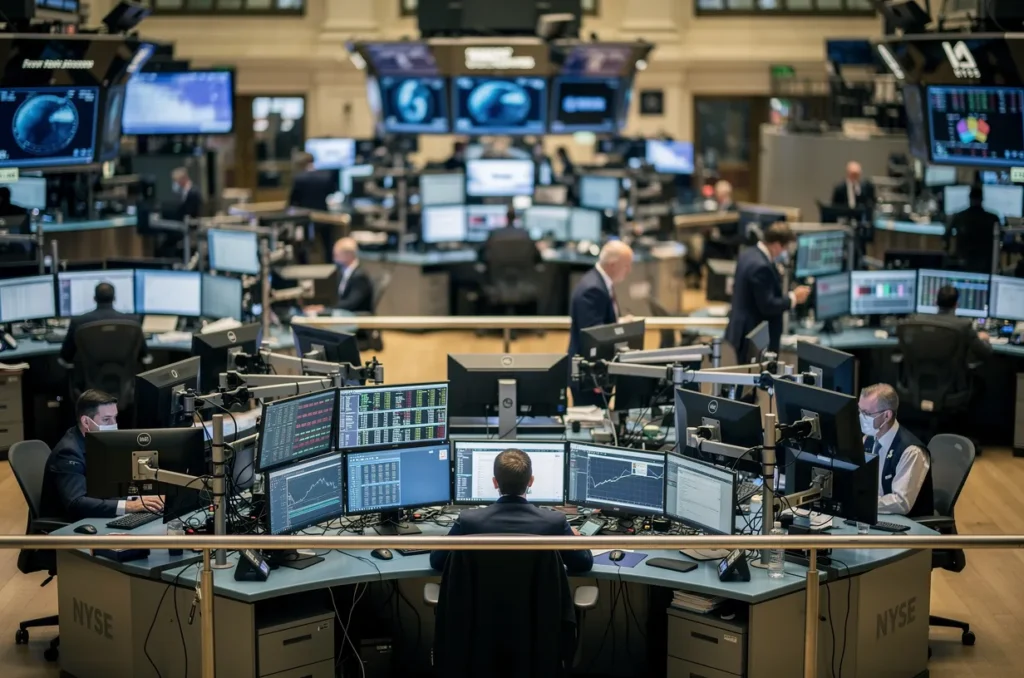
The Dow Jones Industrial Average rose 0.5%, the S&P 500 gained 0.6%, and the Nasdaq Composite added nearly 0.8%. That rebound came after a weaker start to the session and followed Wednesday’s strong rally tied to hopes that the Strait of Hormuz could reopen more fully.
The change in direction showed how closely markets are still trading every headline tied to the broader Middle East conflict.
Israel’s Statement Helped Calm A Key Flash Point
The market’s tone improved after Netanyahu said he had agreed to open direct talks with Lebanon following a call with President Trump and senior White House officials.
According to the statement, the talks would focus on disarming Hezbollah and working toward a more stable arrangement between Israel and Lebanon.
That mattered because Israel’s military campaign in Lebanon had become one of the biggest pressure points inside the broader ceasefire effort. In the less-than-48 hours after Trump announced a temporary ceasefire with Iran, the Lebanon front had already started to look like a possible reason the agreement could unravel.
Lebanon Became A Problem For The Iran Deal
The core issue is that Iran has argued any meaningful ceasefire must include Lebanon, while the White House has maintained that the arrangement it struck with Tehran does not cover Lebanon.
That gap created a serious credibility problem for the truce.
Iran had already halted tanker traffic through the Strait of Hormuz, arguing that continued Israeli strikes on Lebanon violated the spirit of the agreement. That turned Lebanon into more than just a regional side story. It became a direct factor in whether the oil market could stabilize.
So when Israel agreed to talks, investors took it as a sign that one of the most dangerous cracks in the ceasefire might be getting attention before it widened further.
Oil Stayed Volatile Even As Stocks Recovered
Even with the equity rebound, oil remained jumpy.
- WTI crude rose about 5% to near $99 a barrel
- Brent crude climbed around 2% to about $96
Earlier in the session, the moves were even bigger. WTI had crossed above $102, while Brent had briefly moved above $99 before both contracts gave back part of their gains.
That price action reflected a market still struggling to decide whether the next move is toward further de-escalation or renewed supply disruption.
The Strait Of Hormuz Is Still The Market’s Pressure Point
The broader ceasefire still hinges on one condition above all others: whether Tehran allows shipping to move more freely through the Strait of Hormuz.
That waterway remains the single biggest market variable because it carries a major share of global oil flows. Any blockage, delay, or selective restriction can quickly reshape inflation expectations, energy pricing, and broader risk sentiment.
Investors are now watching whether diplomatic progress around Lebanon is enough to support wider compliance, or whether the agreement remains too narrow and fragile to restore confidence.
The Military Backdrop Still Looks Unstable
The stock rebound does not change the fact that the security backdrop remains tense.
Reports said Israel struck more than 100 targets in Lebanon on Wednesday, making it one of the most active days of the campaign. Israeli officials also said the military had killed more than 200 Hezbollah militants.
Iranian officials, meanwhile, have publicly argued that those attacks amount to a violation of the ceasefire understanding.
That means Thursday’s rebound was driven more by a possible diplomatic opening than by any real sense that the conflict is fully under control.
Investors Are Trading Relief, Not Resolution
The market reaction made that pretty clear. Stocks did not surge because the situation was solved. They moved higher because a damaging escalation looked slightly less immediate than it had earlier in the day.
That is an important distinction.
Right now, markets are still being pushed around by three overlapping themes:
- whether the ceasefire can hold
- whether Hormuz can reopen in a durable way
- whether oil stays elevated enough to keep inflation concerns alive
As long as those questions remain open, equity rebounds are likely to stay headline-sensitive.
WSA Take
Thursday’s comeback showed that investors are still eager to buy risk when the Middle East picture looks even marginally more stable. But this was a rebound built on a diplomatic signal, not a firm resolution.
For investors, the key read-through is that Lebanon has become part of the market equation, not just Iran and Hormuz. If talks between Israel and Lebanon reduce pressure on the ceasefire, stocks may keep recovering and oil could ease further. But if that front flares up again, the same trade can reverse quickly.
Explore More Stories in Markets
Disclaimer
WallStAccess is a financial media platform providing market commentary and analysis for informational and educational purposes only. This content does not constitute investment advice, a recommendation, or an offer to buy or sell any securities. Readers should conduct their own research or consult a licensed financial professional before making investment decisions.