Hot wholesale inflation gave markets another reason to pause
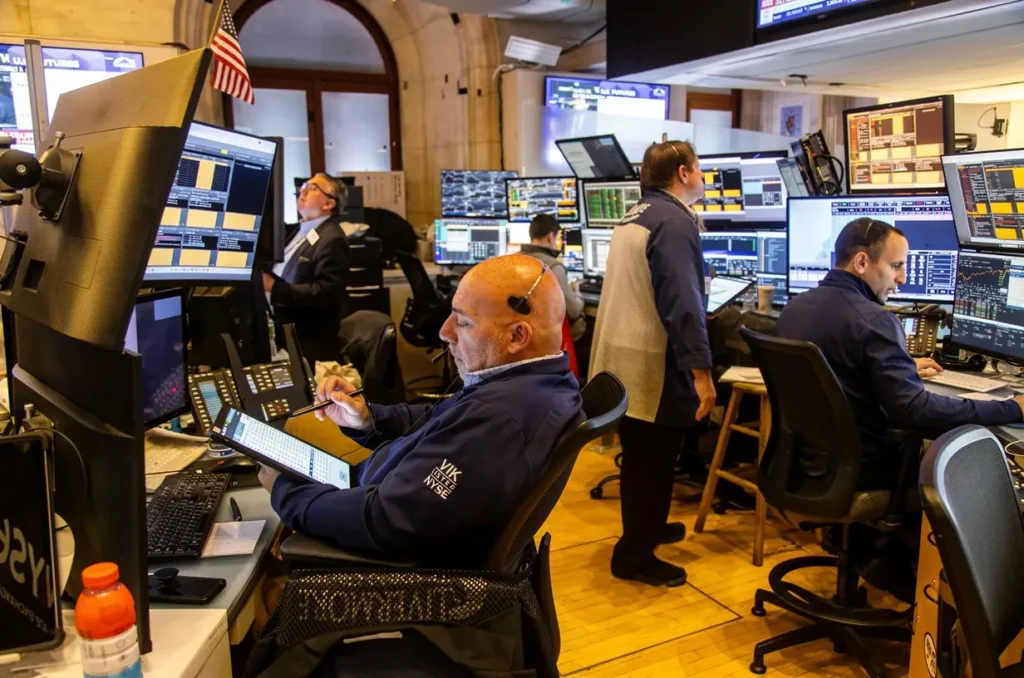
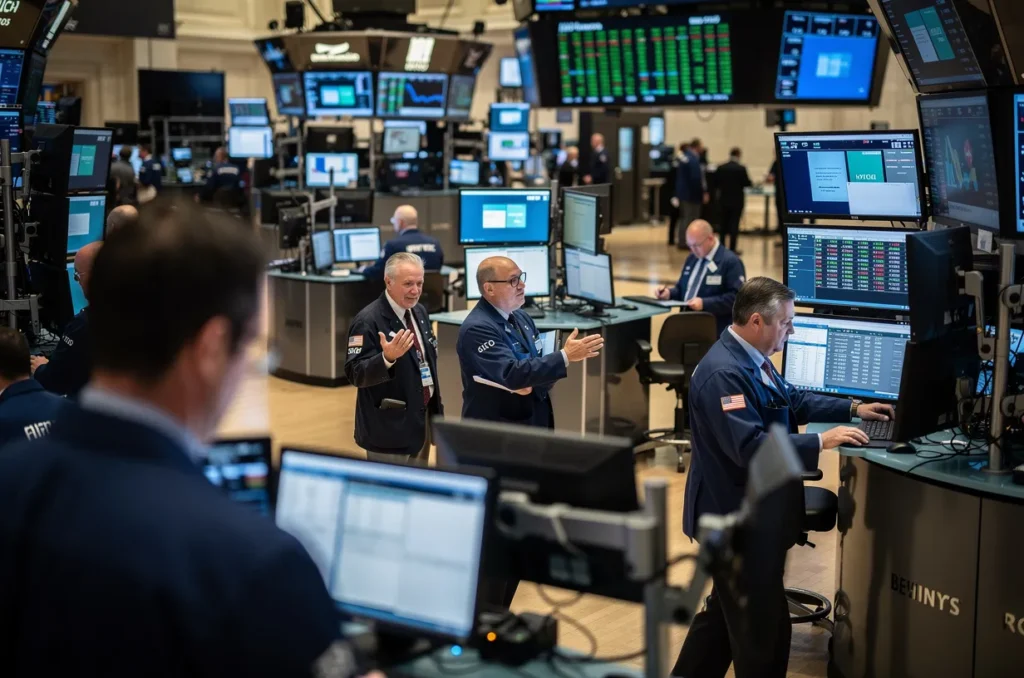
US stocks opened mixed on Wednesday as investors digested a hotter-than-expected producer inflation print and tried to assess what it means for rates, margins, and the broader inflation path.
The Dow fell 0.4%, the S&P 500 held around flat, and the Nasdaq edged up about 0.2% after Tuesday’s weakness, which was driven in part by a chip-sector sell-off.
The market’s message was clear: this was not a clean risk-on session. The latest inflation data forced investors to take a harder look at whether price pressures are becoming more deeply embedded again.
PPI confirmed that inflation is not just an energy story anymore
The latest Producer Price Index showed headline wholesale inflation rising 6% year over year in April, well above expectations of 4.8%.
That matters because it backs up the message from this week’s CPI report: higher fuel prices are not staying isolated. They are beginning to push into broader cost structures across the economy.
When both consumer and producer inflation run hot in the same week, the market has a harder time arguing that pricing pressure is still on a steady path lower. That becomes especially important when those hotter prints are arriving in the middle of an energy and commodity shock tied to the Iran war and the disruption around the Strait of Hormuz.
The Fed now has even less room to sound easy
This kind of inflation backdrop reinforces the market’s growing belief that the Federal Reserve is likely to stay on hold at its next meeting.
That is important because just a few weeks ago, the market was still more focused on whether policy could eventually shift toward cuts. Now the conversation is much more defensive. With both CPI and PPI coming in hotter than expected, policymakers have less reason to sound comfortable, especially if commodity prices keep adding pressure from underneath.
For stocks, that matters most in the parts of the market that depend on lower discount rates and a friendlier policy outlook.
Trump’s China trip adds another macro variable
Markets are also watching President Trump’s trip to China, where trade and AI are expected to dominate discussions with Xi Jinping.
That matters because this is not happening in a vacuum. The trip comes at a moment when the US is trying to manage three big pressures at once:
- sticky inflation
- rising commodity costs
- and fragile geopolitical conditions in the Middle East
The addition of Nvidia CEO Jensen Huang to the delegation, alongside Elon Musk and Tim Cook, also signals how central AI and advanced technology have become to the broader geopolitical and economic conversation.
The Iran ceasefire may be holding, but the bigger conflict is not resolved
In the background, the US-Iran ceasefire still looks fragile.
That matters because markets are trying to balance two things at once: the absence of a total breakdown and the lack of a real resolution. Trump’s renewed military threats toward Iran ahead of his China visit remind investors that the conflict remains one headline away from getting worse again.
As long as Hormuz remains a chokepoint and peace talks lack clarity, the inflation problem cannot be separated from geopolitics.
Commodities outside energy are now part of the inflation problem
One of the more important points in the article is that inflation pressure is no longer just about oil.
According to the cited market analysis, the Bloomberg Commodities ex-Energy Index hit a new all-time high, showing that metals and agricultural commodities are also surging. That matters because once inflation broadens beyond energy, it becomes harder for markets to assume the pressure will fade quickly even if crude eventually stabilizes.
The main commodity leaders include:
- copper
- silver
- agricultural inputs affected by fertilizer shortages
- and broader industrial materials tied to tight supply and strong demand
That is a more serious setup than a one-product shock.
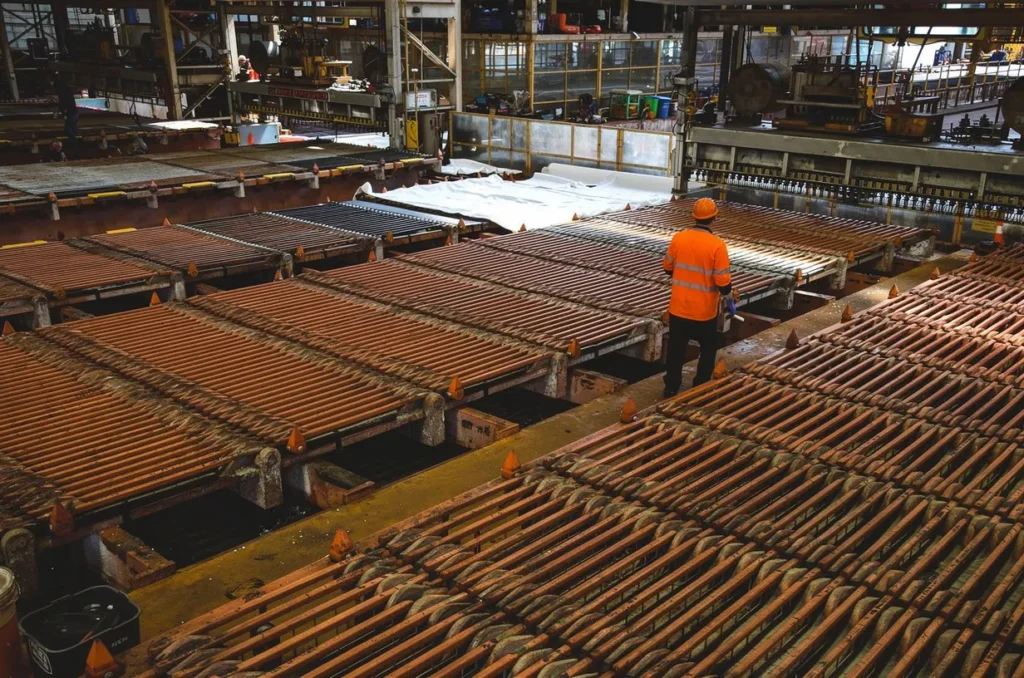
Copper and silver are reinforcing the AI-buildout story
The strength in copper and silver is especially notable because it ties directly into one of Wall Street’s favorite themes: the AI infrastructure buildout.
Copper is already one of the clearest material expressions of the AI trade because it is tied to:
- electrical wiring
- data center expansion
- grid upgrades
- and broader power infrastructure
Silver matters more than many investors assume because of its industrial use in electronics, electrical systems, and related applications. When both metals are rising together, the market is not just pricing inflation. It is also pricing the physical expansion needed to support AI, electrification, and digital infrastructure.
That is one reason the commodity move looks more durable than a temporary spike.
Agricultural pressure is making the inflation picture worse
The article also highlights a less discussed but important issue: the closure of Hormuz has disrupted access to major fertilizer supplies, putting upward pressure on agricultural commodities that were already under strain from extreme weather.
That matters because inflation tends to become harder to control when it spreads into:
- food production
- transportation
- manufacturing
- and construction inputs
Once that happens, it is not enough for energy prices alone to cool down. The broader input-cost structure of the economy has already started to rise.
Earnings are still helping limit the damage
Despite the tougher inflation setup, earnings are still offering some support.
Cisco and Alibaba both beat on revenue and earnings per share, while Birkenstock missed expectations. That mixed earnings picture helps explain the market’s split tone: enough corporate strength to prevent a sharp selloff, but not enough to fully override the inflation pressure building underneath the surface.
That is where the market sits now. Fundamentals are still decent, but the macro backdrop is becoming less forgiving.
WSA Take
Wednesday’s session was a reminder that the inflation story is broadening again. Hot PPI following hot CPI is already a problem. The bigger problem is that it is happening while oil, industrial metals, and agricultural inputs are all moving higher at the same time.
For investors, the key takeaway is that this is no longer just an energy scare. It is becoming a wider commodity inflation story, and that makes it harder for the Fed to pivot and harder for stocks to ignore the pressure.
Explore More Stories in Markets
Disclaimer
WallStAccess is a financial media platform providing market commentary and analysis for informational and educational purposes only. This content does not constitute investment advice, a recommendation, or an offer to buy or sell any securities. Readers should conduct their own research or consult a licensed financial professional before making investment decisions.