Oil pushed back to the front of the market
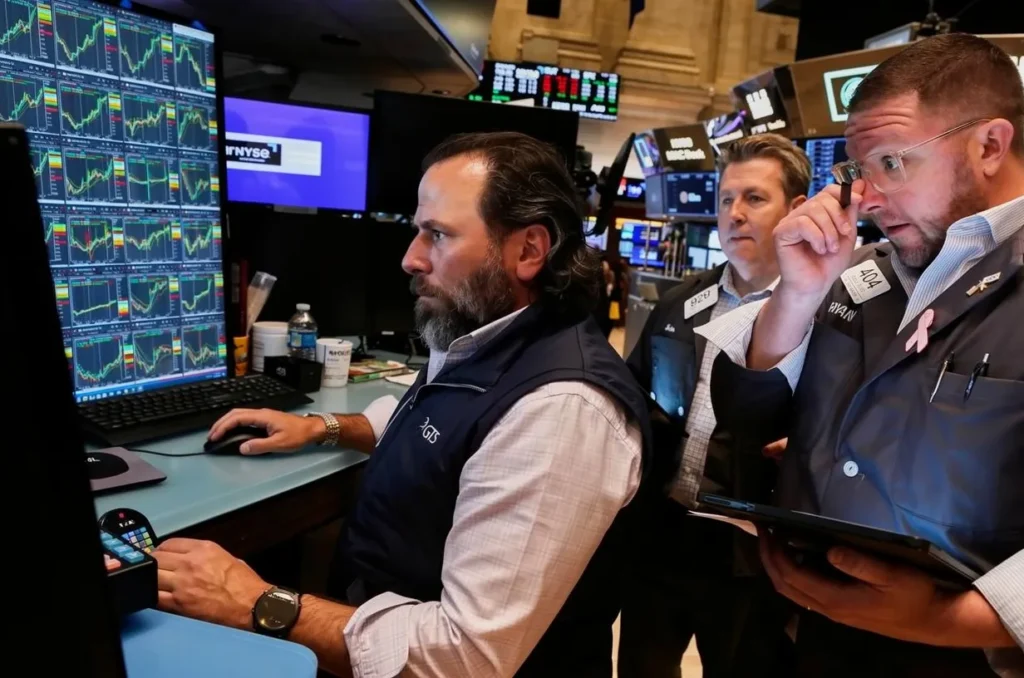
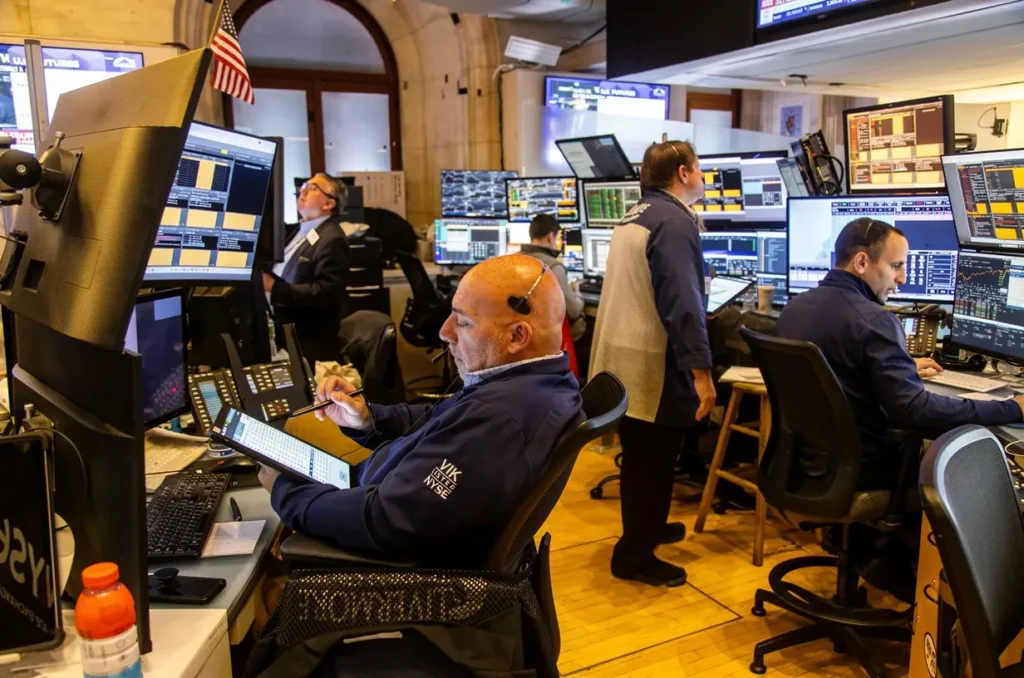
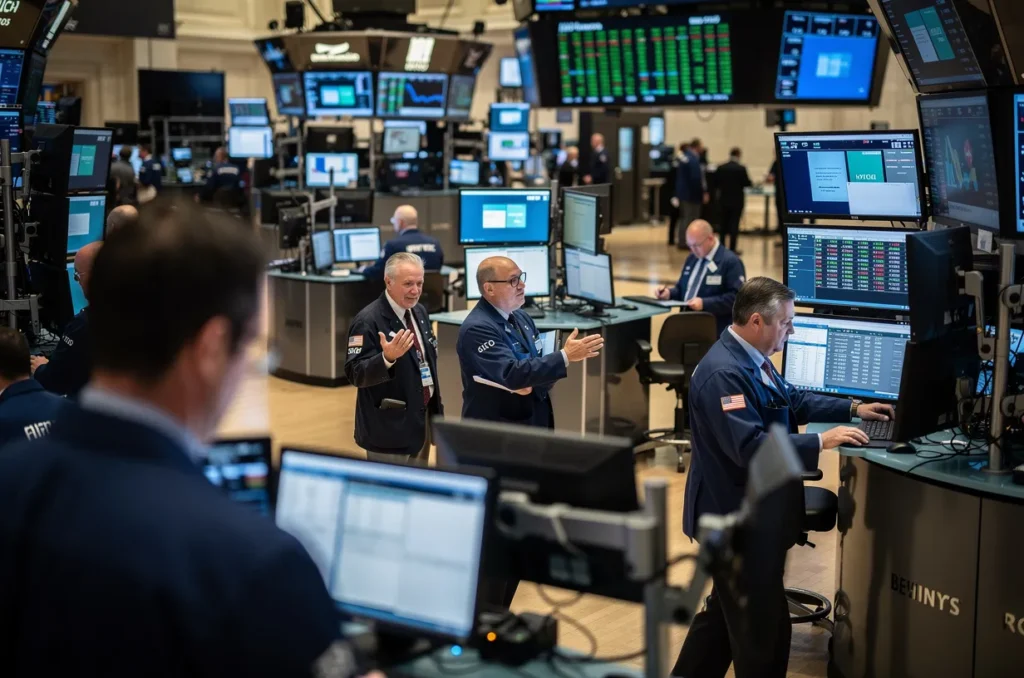
Wednesday’s selloff started with the same variable that has been driving the macro tape for weeks: oil. Fresh fighting in the Gulf, including Iranian missile strikes and US military action near the Strait of Hormuz, sent Brent back toward $98 and pulled risk appetite lower. By midday, Reuters reported the Dow was down 441.72 points, the S&P 500 had lost 40.12 points, and the Nasdaq was off 205.32 points.
The market had spent the last several sessions leaning into the idea that a diplomatic off-ramp was close. That trade looked too comfortable. Wednesday’s price action was a reminder that a fragile ceasefire headline and an actual settlement are not the same thing.
Jobs data did not give the market much relief
The labor backdrop stayed firm. ADP said private payrolls rose by 122,000 in May, above the 117,000 economists expected and ahead of April’s revised 105,000 gain. Hiring was broad-based, with education and health services adding 57,000 jobs and trade, transportation and utilities adding 36,000.
That is good economic news. It is less helpful if investors are looking for a softer labor market to bring rates lower. Reuters noted that markets still expect the Fed to keep rates in its current 3.50%-3.75% range, while inflation tied to the Iran conflict remains a live concern.
AI still has momentum, but the financing bill is getting harder to ignore
The other side of the market remains familiar. Investors are still rewarding the companies tied most directly to the AI infrastructure trade. Reuters reported that chip stocks held up better than the broader tape, helped by continuing enthusiasm around custom AI chips, Marvell, and the next leg of large-scale compute spending.
But the scale of the spending is changing the story. Alphabet expanded its equity offering to $84.75 billion, up from the $80 billion plan it laid out earlier, while its annual capital spending target remains lifted to $180 billion to $190 billion. Reuters also said combined spending by the largest tech companies is now expected to top $700 billion this year. The AI bull case is still there. The cash requirement is getting harder to ignore.
The next market test is no longer subtle
Friday’s payrolls report now matters more. A strong print keeps the growth story intact, but it also keeps pressure on rates if oil stays elevated. A softer number would help the Fed narrative, but only if it does not come with a broader slowdown scare.
That leaves the market in a tight spot. Stocks are still trying to price strong earnings, AI expansion, and stable growth. Oil and the Middle East keep forcing a second conversation. Wednesday showed which one wins when crude starts climbing again.
WSA Take
The market is still willing to believe in the AI buildout. It is much less willing to ignore a live oil shock while doing it. Strong jobs data, giant capital raises, and still-bullish tech sentiment can support equities, but they do not leave much room for a new inflation wave.
That is the current setup: powerful structural optimism in tech running into a macro tape that is getting harder, not easier.
Explore More Stories in Markets
Disclaimer
WallStAccess is a financial media platform providing market commentary and analysis for informational and educational purposes only. This content does not constitute investment advice, a recommendation, or an offer to buy or sell any securities. Readers should conduct their own research or consult a licensed financial professional before making investment decisions.