Greg Abel just made his first real statement deal
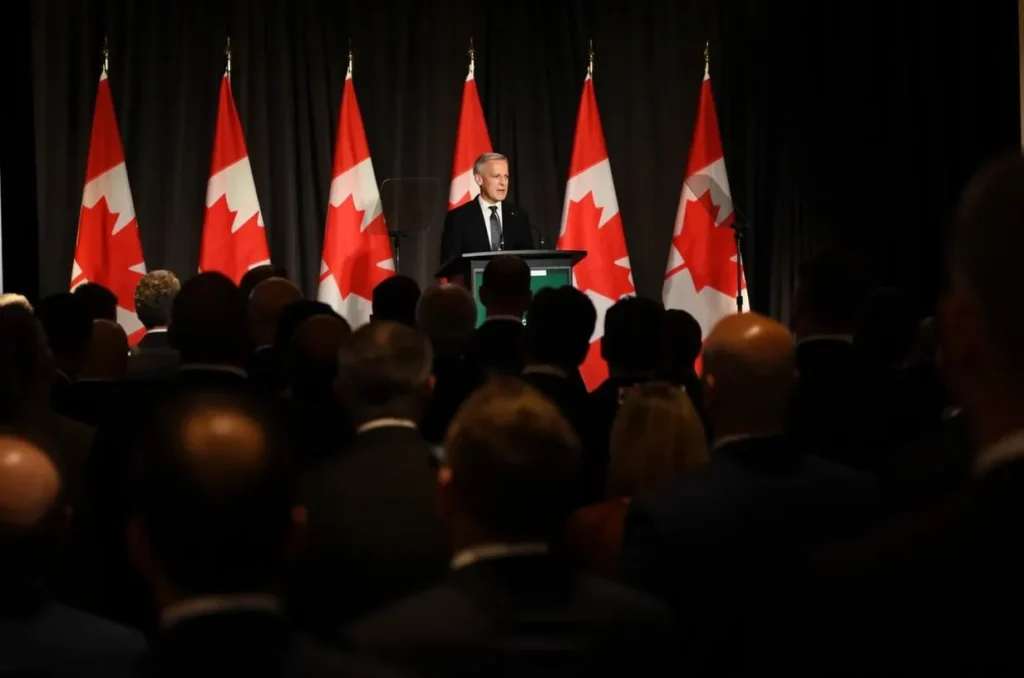
Berkshire Hathaway is buying Taylor Morrison, and the message is hard to miss: the new era under Greg Abel is willing to swing at size when the asset fits.
The deal values Taylor Morrison at $72.50 a share, a healthy premium that immediately tells you Berkshire was not trying to steal the company in a weak tape. This is a deliberate bet on housing, scale, and long-duration cash flow.
This is a housing call as much as it is an M&A call
That matters because the backdrop is not especially easy.
Mortgage rates remain elevated, homebuilder sentiment has been uneven, and recent US housing data has shown softness. Reuters noted that Taylor Morrison is being acquired during a period when homebuilder stocks have been under pressure and borrowing costs remain high.
Berkshire clearly sees through that.
This is not the kind of move you make if you think housing is rolling into a structural downcycle. It is the kind of move you make if you believe the medium-term supply-demand picture in US housing still works in your favor.
Taylor Morrison gives Berkshire more than just lots and houses
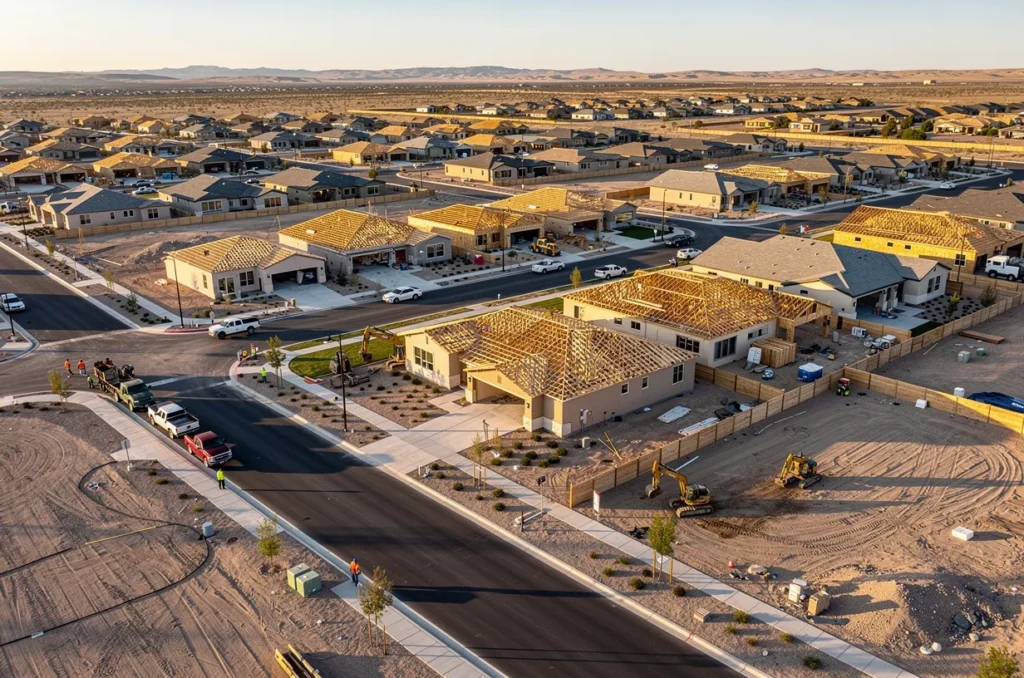
Taylor Morrison is not a tiny regional builder. It operates in 12 US states, mostly across the South and West, with exposure to entry-level, move-up, and resort-style communities under brands including Taylor Morrison, Esplanade, and Yardly.
That footprint is important.
It gives Berkshire a broader site-built homebuilding platform to pair with assets it already owns, especially Clayton Homes, along with other housing-linked businesses such as Acme Brick, Benjamin Moore, Johns Manville, and one of the country’s largest residential brokerages.
In plain terms, Berkshire is not entering housing. It is deepening an ecosystem it already knows well.
The strategic language is more aggressive than classic Berkshire
One of the more interesting parts of the deal is not just the acquisition itself, but how Abel described it.
Reuters reported that Abel said Berkshire expects over time to unify its site-built homebuilding operations into a combined platform that can help more Americans access homeownership.
That is notable because Berkshire historically preferred to let acquisitions run independently. This sounds more active, more integrated, and more willing to build operating scale across subsidiaries than the traditional Buffett-era hands-off approach.
That does not mean Berkshire is abandoning its culture. It does suggest Abel may be a little more operationally direct when he sees a category where scale can matter.
Wall Street sees the logic
The market reaction was straightforward. Taylor Morrison shares jumped more than 22% after the announcement, moving close to the offer price. Berkshire shares were modestly lower.
That is a fairly normal response. Target shareholders get paid for the premium. The buyer gets judged more slowly on whether the strategic case turns into returns.
UBS analyst John Lovallo told Reuters the combination of Taylor Morrison and Clayton could create a top-five US homebuilder, and called the move a strong vote of confidence in the long-term housing outlook. He also pointed to an estimated US housing shortage of roughly 7 million homes.
That is probably the cleanest way to read the deal.
Berkshire finally put some of its cash to work
Another reason this matters: Berkshire had the balance sheet to do it.
Reuters reported that Berkshire ended March with $380.2 billion in cash, giving Abel enormous room to act if the right opportunity appeared.
Investors have been waiting to see what Berkshire would do with that firepower under new leadership. This is not a massive elephant-sized acquisition by historical Berkshire standards, but it is big enough to count as a serious capital allocation decision and clear enough strategically to show how Abel may want to play offense.
Management continuity lowers one obvious risk
Taylor Morrison’s existing leadership team is expected to stay in place, including CEO Sheryl Palmer.
That matters because it reduces execution risk. Berkshire is not trying to rip apart the business on day one. It is buying an operator with an established platform, solid footprint, and existing management that already knows the terrain.
For a company like Berkshire, that is usually the preferred structure: own the asset, keep the people who know how to run it, then let the capital base and strategic umbrella do the rest.
WSA Take
This is a smart, clean Berkshire deal.
Taylor Morrison gives Greg Abel a real first acquisition statement without forcing Berkshire into something overly exotic or financially stretched. More important, it signals confidence in one of the most debated parts of the US economy: housing. If Berkshire is willing to commit $6.8 billion in cash here, it is telling you it still sees long-run value in homebuilding even with rates high and sentiment mixed.
That is what makes the deal worth paying attention to. It is not just about buying a builder. It is about what Berkshire thinks the next few years of American housing may still look like.
Explore More Stories in Markets
Disclaimer
WallStAccess is a financial media platform providing market commentary and analysis for informational and educational purposes only. This content does not constitute investment advice, a recommendation, or an offer to buy or sell any securities. Readers should conduct their own research or consult a licensed financial professional before making investment decisions.