The first major wave of tariff refunds is reaching shipping companies
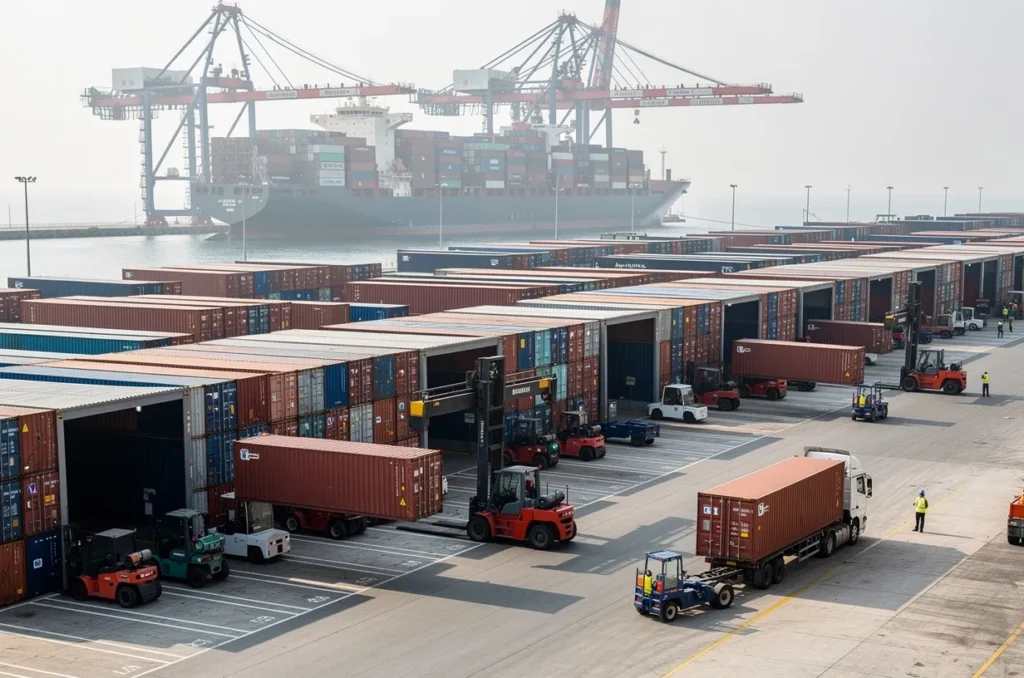
FedEx, UPS and DHL are beginning to process more than $1 billion in tariff repayments that are ultimately expected to flow back to customers.
FedEx disclosed that it has received approximately $800 million from the US government and is holding the money specifically for customer refunds. Chief Customer Officer Brie Carere said distributions are expected to begin in August as the company reconciles individual shipments, accounts and duty payments.
DHL has already started returning money to customers who originally paid the duties. The company has not disclosed the total value of its refund claims but confirmed that repayments have begun.
UPS has applied for approximately $500 million under the first stage of the refund program and expects to expand its claims as additional categories become eligible.
Shipping companies are acting as financial pass-throughs
International carriers frequently serve as the importer of record or customs broker for smaller businesses and individual buyers.
In those cases, the carrier pays the tariff to US Customs and Border Protection and then charges the customer separately. Duties often appear as a clearly identifiable line item on the final shipping invoice.
The arrangement makes it relatively straightforward to determine who paid the tariff and who should receive the refund.
UPS Chief Executive Carol Tomé described the company as a pass-through rather than the economic owner of the money. Once eligible duties are repaid by the government, UPS intends to remit them to the customers that originally funded the charges.
That structure differs substantially from retailers that imported goods directly and incorporated tariffs into the final selling price.
UPS says the eventual total could reach $5 billion
The first $500 million claimed by UPS represents only a portion of its potential recovery.
The company has said it collected roughly $5 billion in tariffs from customers during the period covered by the overturned emergency duties. Additional claims will depend on the type of entry, when it was finalized by customs and whether it qualifies under later phases of the government’s system.
The final amount received may differ from the total collected. Customs officials still need to review individual entries, calculate interest and determine eligibility.
Even a partial recovery would make UPS one of the largest intermediaries in the repayment process.
The refund system is expanding in stages
US Customs and Border Protection created the Consolidated Administration and Processing of Entries, or CAPE, system after the Supreme Court ruled that the emergency-powers law used to impose the duties did not authorize tariffs.
Phase 1 began on April 20 and covers certain recent or still-unsettled customs entries.
Phase 2 is scheduled to launch on June 29 and will extend the system to additional categories, including certain imports handled through customs reconciliation procedures.
Phase 3 is expected by the end of July and is intended to address older entries that have already been finalized. Some of those refunds may remain subject to litigation or additional court requirements.
Each expansion increases the volume of imports that can be submitted for repayment.
FedEx’s August timeline reflects the scale of the reconciliation work
Receiving money from the government is only the first step.
FedEx must match millions of customs entries with the customers who paid the corresponding duties. Its records cover more than 20 million entries subject to the emergency tariffs across hundreds of thousands of accounts.
Refunds may also include interest, creating another layer of calculation before distributions can be completed.
The company plans to provide customers with tools allowing them to verify whether FedEx received a refund for a particular shipment and when the money arrived.
Holding $800 million does not mean all customers will be paid immediately. The reconciliation process must establish the correct recipient and amount for each eligible entry.
Retailers face a more complicated question
For carriers, tariffs were commonly billed separately. Retailers often handled the expense differently.
A store that paid duties on imported merchandise may have incorporated the cost into pricing across an entire product category rather than adding a tariff charge to each receipt. Determining which customer paid what portion becomes far more difficult once the cost is blended into the selling price.
That distinction has already produced lawsuits against companies including Costco, Amazon, Nike and FedEx. Customers argue that businesses should not retain government repayments for costs that were passed through to consumers.
Costco has challenged the legal basis of those claims while saying any recovered funds would benefit customers in some form. Walmart has taken a broader approach by announcing price reductions across thousands of products.
The outcomes may vary widely depending on how each company accounted for the original duties and whether the charge was separately disclosed.
As much as $166 billion may ultimately be refunded
The emergency tariffs generated an estimated $166 billion in government revenue that could be subject to repayment.
Not all of that money will necessarily be returned through the same process or on the same timeline. Eligibility depends on entry status, customs procedures, pending appeals and whether an importer preserved its legal right to seek reimbursement.
Still, the scale is large enough to affect corporate cash balances, consumer refunds and federal finances.
For shipping companies, the money generally should not become a meaningful source of profit because it belongs economically to customers. The main operational challenge is identifying recipients and processing payments efficiently.
Refunds do not mean tariff uncertainty has ended
Businesses are receiving repayments for duties imposed under the International Emergency Economic Powers Act while continuing to face separate tariffs imposed under other trade laws.
A temporary global tariff imposed under Section 122 remains subject to an ongoing legal challenge. An appeals court has allowed most collections to continue while the case proceeds, and the measure is scheduled to expire on July 24 unless Congress extends it.
The US administration is also preparing more permanent tariffs under other statutory authorities.
Companies may therefore receive money back for one set of duties while facing new import costs under another. That overlap complicates pricing, inventory planning and supply-chain decisions.
The refunds could provide relief to smaller importers
Smaller companies were often hit hardest by the emergency tariffs because they had less negotiating power and fewer options for changing suppliers.
Many paid duties directly through FedEx, UPS or DHL before receiving imported packages. A refund could restore working capital that had been tied up for months and reduce some of the financial pressure created by sudden trade-policy changes.
The effect will vary by customer. Some companies absorbed the duties themselves, while others passed them on through higher prices or separate invoice charges.
Where the tariff was clearly billed as a distinct cost, returning the money should be relatively direct.
WSA Take
The tariff-refund process is moving from court decisions and government systems into actual customer repayments.
FedEx’s $800 million balance, UPS’s initial $500 million claim and DHL’s early distributions show that the first phase is now producing tangible results. The amounts should rise as CAPE expands to additional customs entries over the summer.
Shipping companies have a clearer path than most businesses because the original duties were frequently listed on customer invoices. Retailers that embedded tariffs in product prices face a more difficult legal and accounting question.
The repayments will return meaningful capital to businesses and consumers, but they do not resolve the broader uncertainty surrounding US trade policy. Companies are recovering duties from one tariff regime while preparing for whatever replaces it.
Explore More Stories in Markets
Disclaimer
WallStAccess is a financial media platform providing market commentary and analysis for informational and educational purposes only. This content does not constitute investment advice, a recommendation, or an offer to buy or sell any securities. Readers should conduct their own research or consult a licensed financial professional before making investment decisions.