Amazon is attracting a growing group of prominent investors
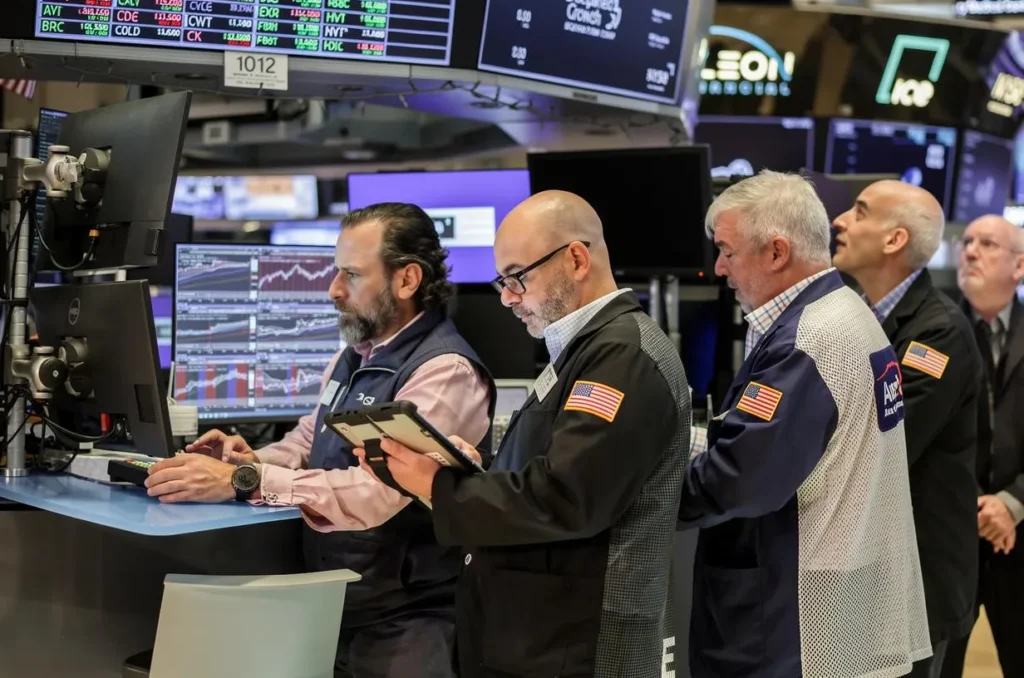
Some of Wall Street’s most closely followed fund managers are increasing their exposure to Amazon as the company’s operating performance strengthens faster than its share price.
Recent regulatory filings show expanded positions from firms associated with David Tepper, Seth Klarman, Bill Ackman, Al Gore and Lewis Sanders. Amazon has become the largest disclosed equity holding at both Tepper’s Appaloosa Management and Klarman’s Baupost Group.
Pershing Square began building its position in 2025 and now counts Amazon among its largest holdings. Sanders Capital roughly doubled its stake during the first quarter of 2026, making the company one of the firm’s three biggest reported investments.
The managers have different strategies, time horizons and portfolio structures. Their common interest in Amazon reflects a similar conclusion: the company’s earnings power may be improving faster than its current valuation suggests.
Amazon has lagged the strongest AI trades
Amazon has participated in the AI rally, but its gains have been modest compared with many semiconductor and infrastructure companies.
Chipmakers tied directly to data-center spending have produced far stronger returns as investors concentrated on the immediate beneficiaries of AI capital expenditures. Amazon’s shares have advanced more slowly, even as AWS continues to absorb rising demand for computing, storage and generative AI services.
For value-oriented managers, that divergence creates a more attractive setup than chasing companies whose valuations have already expanded dramatically.
The thesis does not depend on Amazon being inexpensive by every conventional measure. It depends on its business results continuing to outpace the expectations reflected in the stock.
AWS has regained momentum
Amazon Web Services is central to the argument.
AWS revenue increased 28% in the first quarter to $37.6 billion, its fastest growth rate in 15 quarters. The division also generated approximately $14.2 billion in operating income, reinforcing its position as Amazon’s most important profit engine.
Contracted revenue that has not yet been recognized reached $364 billion at the end of March. That figure excluded a separate long-term agreement under which Anthropic is expected to spend more than $100 billion on AWS technology.
The backlog gives Amazon greater visibility into future cloud revenue at a time when businesses and AI developers are competing for limited computing capacity.
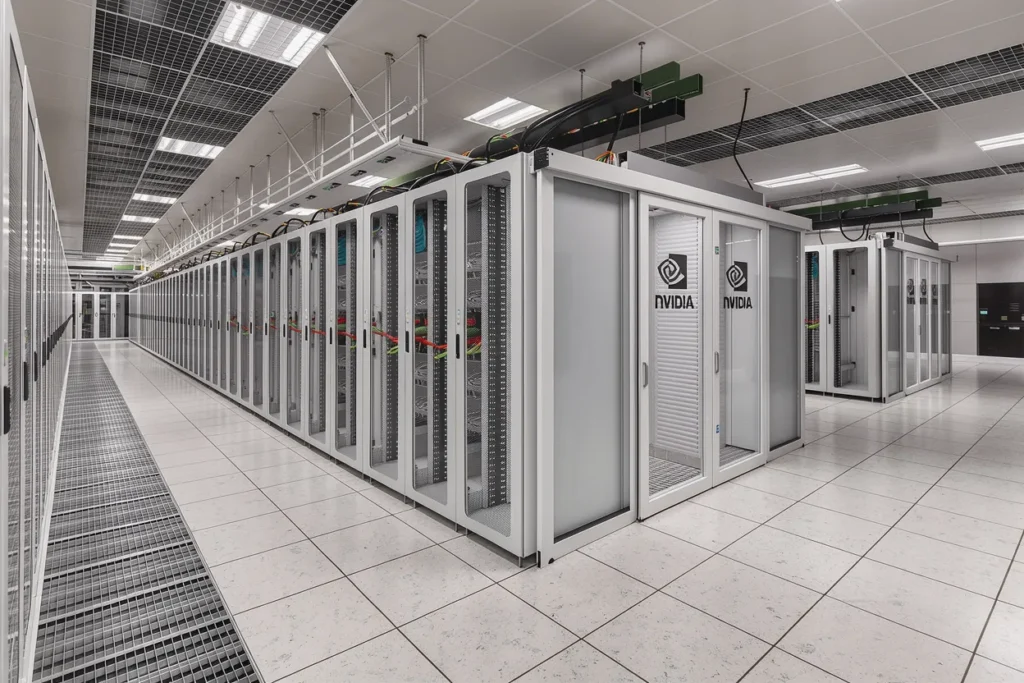
AWS is also expanding its own chip portfolio, including Trainium processors designed to reduce the cost of training and running AI models. Internal silicon gives Amazon another way to control infrastructure costs while offering customers alternatives to Nvidia’s processors.
The valuation debate depends on how Amazon is measured
Amazon trades at a higher forward earnings multiple than several other megacap technology companies. On that basis alone, the stock does not immediately resemble a traditional value investment.
Forward earnings are being constrained by one of the largest capital-spending programs in corporate history.
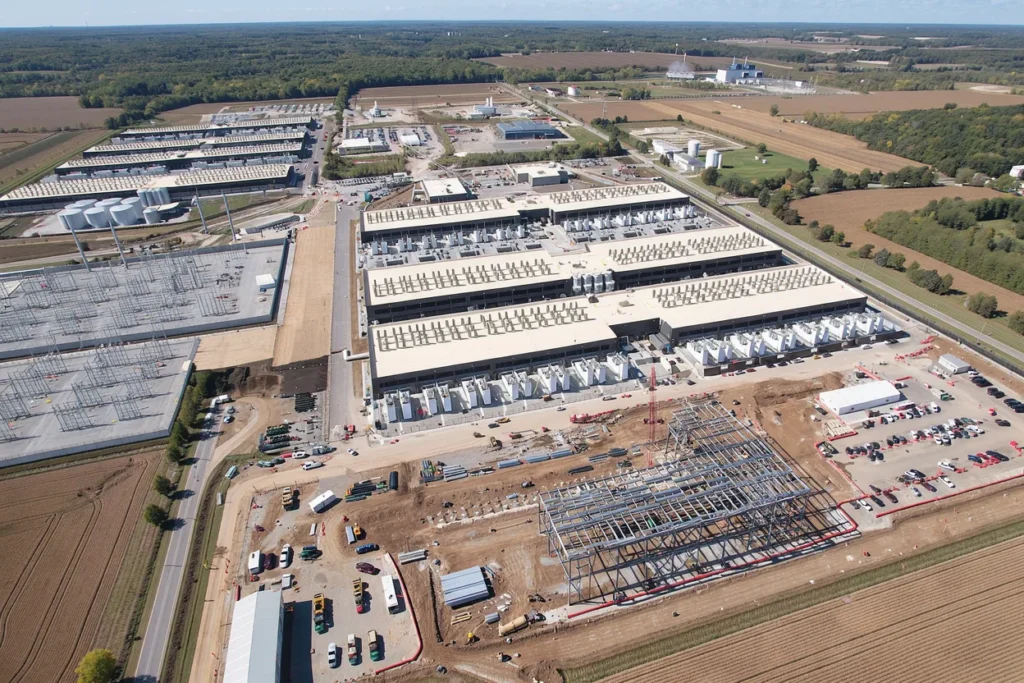
Amazon expects to invest approximately $200 billion in 2026, primarily to expand AWS, AI infrastructure, custom chips, networking and data-center capacity. Those investments increase depreciation and reduce near-term free cash flow before the resulting infrastructure reaches full utilization.
Investors buying the stock are effectively arguing that current earnings understate the value being created by that spending.
The risk is equally clear. Amazon must generate sufficient future cloud and AI revenue to earn attractive returns on the capital being deployed today.
A sum-of-the-parts case supports the institutional interest
Amazon contains several large businesses that would command substantial valuations on their own.
AWS is one of the world’s largest cloud platforms and produces most of Amazon’s operating profit. The retail and logistics network generates enormous sales volumes and has become more efficient under Chief Executive Andy Jassy.
Advertising has developed into another major profit engine, with trailing 12-month revenue exceeding $70 billion. Amazon also owns subscription, streaming, healthcare, satellite and consumer-device operations.
A sum-of-the-parts analysis can produce a valuation above Amazon’s current market capitalization when AWS, retail and advertising are valued separately.
The approach is imperfect because those divisions share infrastructure, customers and expenses. It still illustrates why investors may see more value in the company than its consolidated earnings multiple initially suggests.
Retail efficiency adds another source of earnings growth
The investment case is not limited to artificial intelligence.
Amazon’s retail operation has improved delivery speeds, regionalized its fulfillment network and reduced the cost of moving products closer to customers. Those changes have supported stronger margins across a business once viewed primarily as a low-profit complement to AWS.
Overall first-quarter revenue increased 17% to $181.5 billion, while operating income reached $23.9 billion.
Continued retail margin improvement would allow Amazon to grow earnings even if the market eventually becomes less willing to pay premium valuations for AI exposure.
Advertising provides another high-margin source of growth. Amazon controls valuable purchase-intent data and can sell advertisements directly alongside product searches, streaming content and other consumer activity.
Institutional accumulation extends beyond a handful of hedge funds
The increase in Amazon ownership has not been limited to billionaire-led investment firms.
Quarterly filings indicate broad institutional buying from asset managers, sovereign funds and other large investors. The reported increase suggests Amazon is attracting both concentrated active managers and diversified institutions.
Those filings still require caution.
Managers report their US-listed long positions up to 45 days after each quarter ends. The disclosures do not show subsequent trading, most short positions or the complete reasoning behind portfolio changes.
A large reported position may have been reduced by the time it becomes public. A sale may reflect risk management, redemptions, tax considerations or a need to fund another investment rather than a negative view of Amazon.
The filings are more useful for identifying sustained patterns than predicting short-term stock movements.
Not every prominent investor is increasing exposure
Several well-known investors have moved in the opposite direction.
Berkshire Hathaway reduced and eventually exited its reported Amazon position, while Stanley Druckenmiller’s Duquesne Family Office sharply cut its common shares. Duquesne simultaneously increased its call-option exposure, suggesting a more nuanced position than a straightforward bearish exit.
The disagreement reflects the central tension around Amazon.
Supporters see accelerating AWS growth, improving retail economics and several businesses that may be worth more separately than the market currently recognizes. Skeptics see a company committing roughly $200 billion to infrastructure while trading at a premium earnings multiple.
Both views depend heavily on how quickly AI demand converts today’s spending into future cash flow.
The capital-spending cycle is the decisive variable
Amazon’s AI strategy gives the company substantial exposure to rising compute demand, but it also creates the largest financial risk in the thesis.
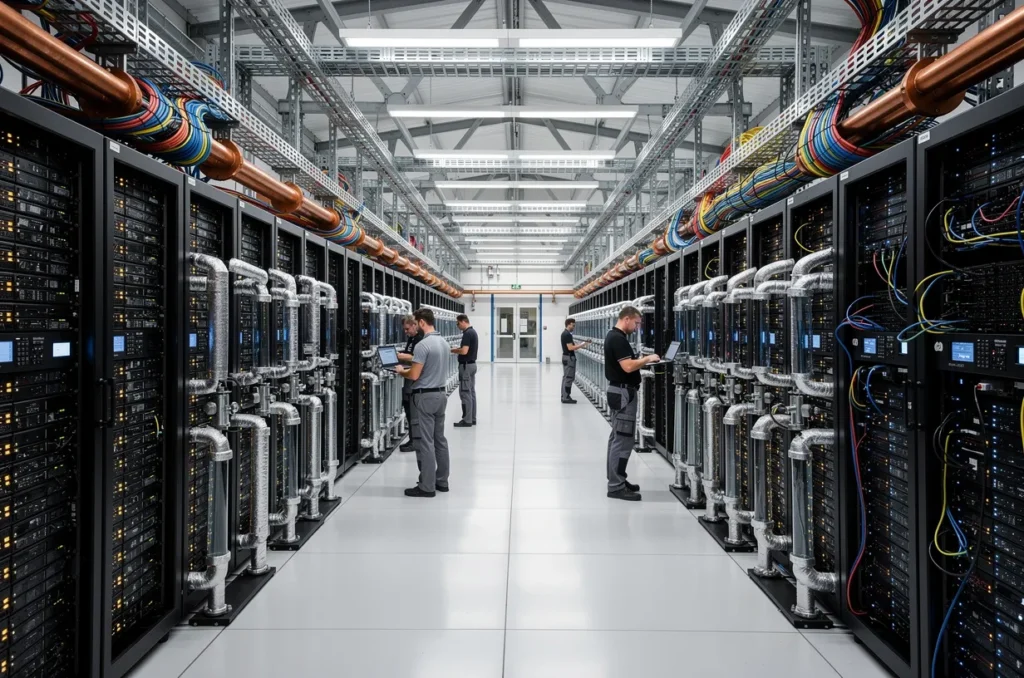
New data centers require chips, power, cooling, networking and long-term financing before they begin producing meaningful revenue. If AI workloads continue expanding rapidly, Amazon could benefit from both greater AWS sales and improved utilization of its infrastructure.
Slower demand, falling compute prices or excess industry capacity would weaken returns on those investments and keep free cash flow under pressure.
The current AWS growth rate and contracted backlog support the bullish view. The scale of Amazon’s spending means the company still has to execute for several years before the full economics become clear.
WSA Take
The institutional interest in Amazon is based on a widening gap between business momentum and market enthusiasm.
AWS has accelerated, retail margins have improved, advertising has become a major business, and Amazon holds one of the strongest positions in global computing infrastructure. Yet the stock has trailed many of the companies receiving the most attention from the AI trade.
Amazon is not conventionally cheap, and its $200 billion capital plan creates significant execution risk. The more compelling argument is relative: investors may be paying less for Amazon’s AI exposure and broader earnings potential than they are for many other large technology companies.
Recent 13F filings show that several respected managers have reached that conclusion. Whether the position succeeds will depend less on following those investors and more on Amazon converting its infrastructure buildout into durable earnings and free cash flow.
Explore More Stories in Markets
Disclaimer
WallStAccess is a financial media platform providing market commentary and analysis for informational and educational purposes only. This content does not constitute investment advice, a recommendation, or an offer to buy or sell any securities. Readers should conduct their own research or consult a licensed financial professional before making investment decisions.