Oil prices are rapidly giving back the war premium
Crude prices fell about 4% Wednesday as improving tanker movement through the Strait of Hormuz reduced fears of prolonged supply disruption.
West Texas Intermediate reached an intraday low of $69.63 a barrel, breaking below $70 for the first time since early March. The US benchmark later traded around $70.22, down roughly 4%.
Brent crude fell approximately 4.2% to $73.83 a barrel, its lowest level since before the conflict with Iran began on February 28.
The decline shows how quickly traders are removing the geopolitical premium that pushed oil sharply higher during the disruption. The market is increasingly pricing a gradual return of Gulf exports rather than an extended closure of the world’s most important oil-shipping route.
Physical tanker movements are reinforcing the price decline
The latest move is being supported by visible improvements in maritime traffic.
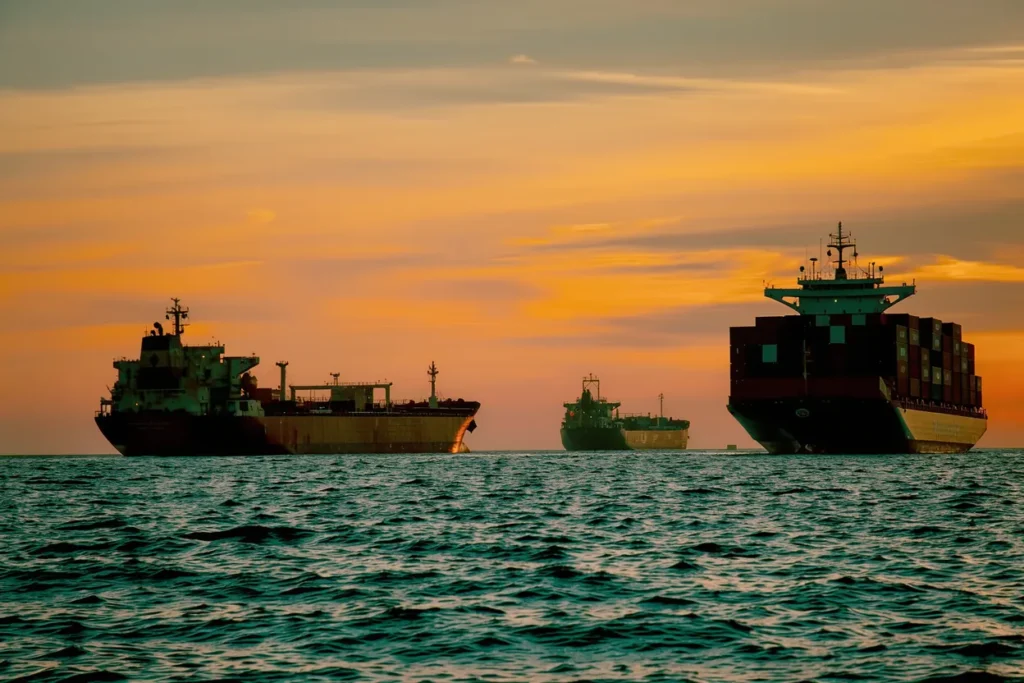
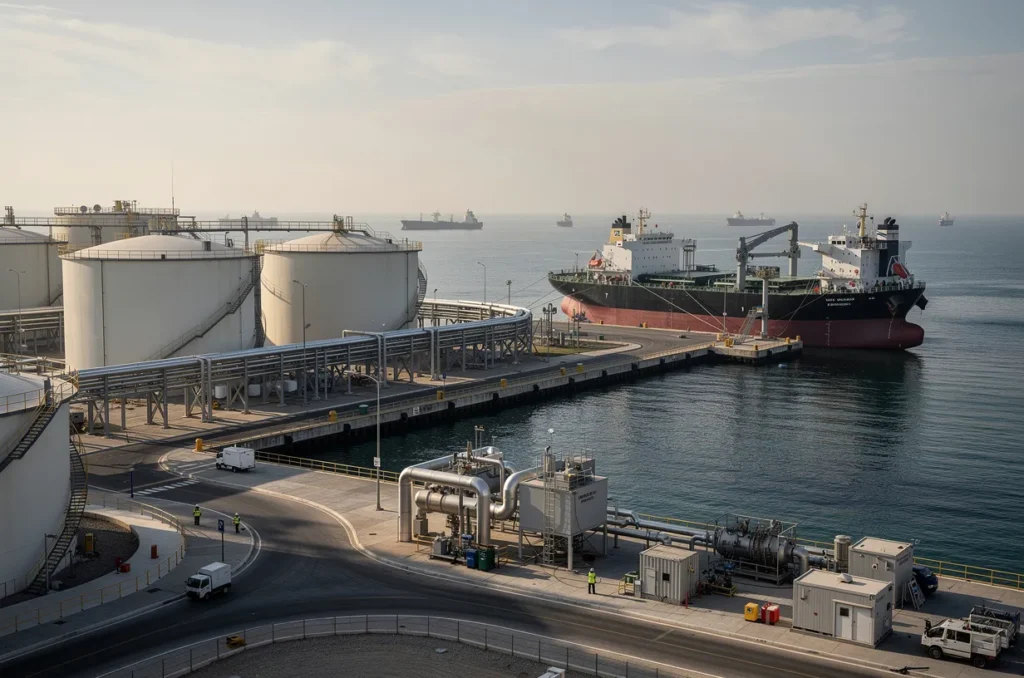
Tankers have continued crossing Hormuz, while additional vessels stranded inside the Persian Gulf are preparing to leave under a coordinated evacuation and safe-passage plan. Three tankers carrying a combined 5 million barrels of crude were among those exiting the strait, according to shipping data.
At least 35 smaller commercial vessels and several additional oil tankers were also preparing to transit.
Each successful crossing reduces uncertainty around the availability of Gulf supply and gives shipowners greater confidence that traffic can continue without an immediate return to hostilities.
The IMO has secured a framework for stranded ships
The International Maritime Organization said safety guarantees had been secured for an operation intended to help hundreds of stranded ships and approximately 11,000 seafarers leave the region.
The plan is being coordinated with Iran, Oman, other Gulf states, the United States and the maritime industry.
The agreement does not mean Hormuz has returned to normal commercial conditions. Ship movements still require careful scheduling, security coordination and collision-risk management after months of disrupted traffic.
It does provide the clearest operational framework yet for clearing vessels trapped inside the Gulf.
Lower prices reflect improving expectations rather than full normalization
Tanker traffic remains below the levels recorded before the war.
Ships must still leave the Gulf, reach their destinations, unload cargoes and complete the return journey before normal export cycles can resume. Producers also need to restart output that was shut in when storage facilities reached capacity.
The immediate supply threat has eased, but the logistical recovery could still take months.
Oil prices are moving ahead of that recovery because futures markets respond to expectations. Traders no longer need Gulf exports to be fully normalized before lowering the probability of a severe and prolonged shortage.
The US administration is pressuring refiners over gasoline prices
As crude moved lower, the US president called for the Department of Justice to examine whether oil companies were keeping gasoline prices artificially elevated.
He argued that retail fuel prices had not fallen in line with the decline in crude and accused the industry of gouging consumers.
Retail gasoline prices do not move in perfect alignment with daily crude futures. Pump prices also reflect refining costs, wholesale fuel markets, transportation, local competition and federal, state and local taxes.
There is also normally a delay between a fall in crude prices and the point at which lower-cost fuel reaches retail stations. Refiners and distributors must first work through inventories purchased at earlier prices.
The political pressure may still encourage faster price reductions if the crude selloff persists.
Crude and gasoline can move on different timelines
Oil is the largest input cost in gasoline, but it is not the only one.
Refining margins can remain elevated when fuel inventories are tight, maintenance limits refinery output or seasonal driving demand is strong. Distribution costs and taxes also vary significantly between regions.
A one-day decline in crude therefore does not produce an immediate one-for-one move at the pump.
Sustained WTI prices near or below $70 would be more important. If crude remains at those levels and refinery conditions are stable, wholesale gasoline prices should eventually reflect the lower feedstock cost.
Supply-chain congestion will take time to clear
The reopening should gradually ease pressure beyond the oil market.
Months of disruption left ships, cargoes and crews stranded across the region. Longer journeys, delayed unloading and reduced air-freight capacity increased costs across international supply chains.
More reliable passage through Hormuz should shorten transit times and allow shipping schedules to recover. The adjustment will not be immediate because vessels must be repositioned and congested ports must work through accumulated traffic.
The same pattern applies to crude: the direction is improving faster than the physical system can normalize.
The market is now looking beyond the immediate conflict
The decline below $70 suggests traders are starting to focus on the amount of oil that could return to the global market rather than only the barrels that remain disrupted.
A durable US-Iran agreement could restore more regional exports, reduce freight and insurance costs and allow producers to reverse earlier shutdowns. Those developments would add supply at a time when the market is already reassessing demand and global growth.
Risks remain. A breakdown in negotiations, a new attack on commercial shipping or disagreement over control of Hormuz could quickly restore part of the geopolitical premium.
For now, tanker movements are providing enough evidence for the market to price a more stable outcome.
WSA Take
Oil’s drop below $70 is the strongest market signal yet that the immediate Hormuz supply shock is fading.
The move is no longer based only on diplomatic statements. Tankers are crossing, stranded vessels are beginning to leave and an international framework is in place to coordinate further traffic.
Normal operations remain months away, and the route is still vulnerable to renewed political or military disruption. Even so, the balance of risk has shifted. The market is now pricing the return of supply rather than the possibility of a prolonged shutdown.
Lower crude should eventually offer relief to consumers and businesses, but retail gasoline prices will respond more slowly. The decisive factor will be whether oil remains near current levels long enough for lower costs to move through refineries, distributors and service stations.
Explore More Stories in Commodities
Disclaimer
WallStAccess is a financial media platform providing market commentary and analysis for informational and educational purposes only. This content does not constitute investment advice, a recommendation, or an offer to buy or sell any securities. Readers should conduct their own research or consult a licensed financial professional before making investment decisions.