Diplomacy cooled the oil trade, but did not erase the risk
Oil prices turned lower Monday after Iran signaled that negotiations with the US could still be pursued if they aligned with Tehran’s national interests.
The comment gave crude traders a reason to take some risk premium out of the market after Brent briefly broke above $90 per barrel overnight. Brent crude was last trading 9 cents lower at $88.01, while West Texas Intermediate fell 25 cents to $82.24.
The pullback was not a sign that the oil market has moved past the conflict. It was a reaction to the possibility that diplomacy may still have room to operate after a sharp escalation in fighting around the Strait of Hormuz.
Iran’s comments opened a possible off-ramp
Iranian Foreign Ministry spokesman Esmail Baghaei said intermediaries had continued exchanging messages with Tehran during the latest round of US strikes.
That matters because the market had been pricing a more dangerous conflict path. Brent jumped nearly 4% overnight after the US confirmed that a third American service member had been killed during recent operations.
The diplomatic signal gave traders a reason to pause. Oil markets do not need a full peace agreement to pull back from highs. They only need evidence that both sides may still be communicating.
Still, the situation remains fragile. The US has bombed Iran for nine consecutive nights in retaliation for repeated attacks on oil tankers transiting the Strait of Hormuz. Tehran has been trying to force ships to transit the strait through its territorial waters, while attacks this month have killed at least two seafarers and injured more than a dozen.
Hormuz remains the market’s pressure point
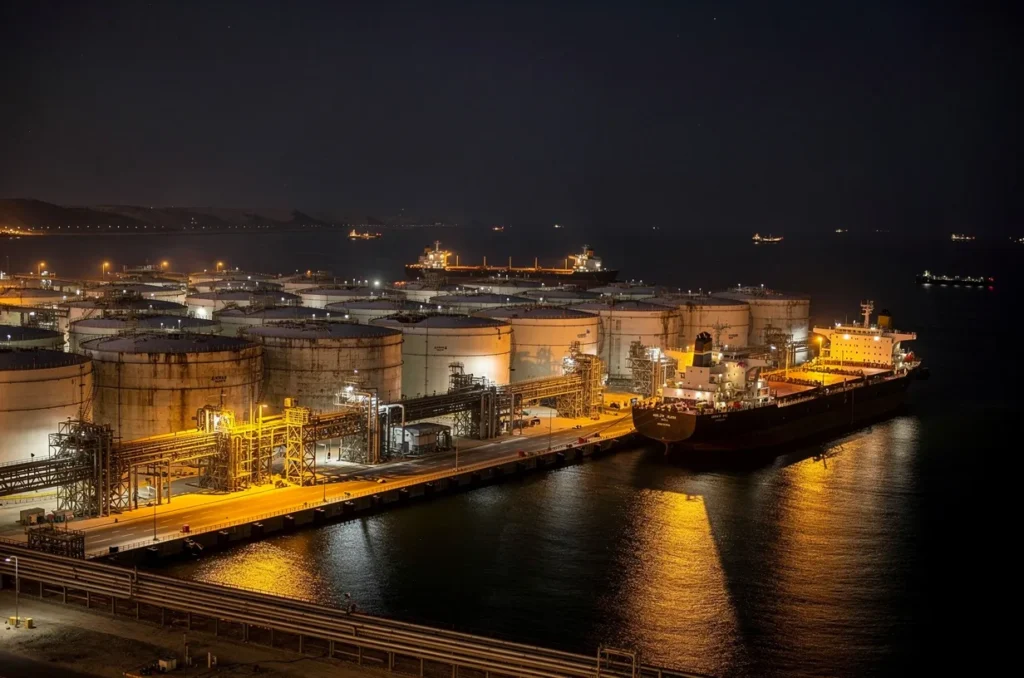
The Strait of Hormuz remains the centre of the oil trade because any slowdown in traffic can quickly move through crude prices, shipping insurance, freight rates and inflation expectations.
Iran’s tanker attacks have already disrupted confidence in one of the world’s most important energy corridors. A full closure is not required for prices to rise. Even a partial slowdown can force refiners and buyers to pay more for security and reliability.
The key risks remain concentrated around a few pressure points:
- Tanker attacks in the Strait of Hormuz
- Reduced confidence in safe passage
- Higher shipping and insurance costs
- Retaliation against US Gulf allies
- A broader slowdown in crude flows
That is why oil only moved modestly lower. The negotiation headline helped sentiment, but the physical supply risk remains visible.
The Red Sea route is now part of the same trade
The conflict is also expanding into the Red Sea supply chain. Iran’s Houthi allies in Yemen declared a maritime embargo against Saudi Arabia on Monday, adding a second chokepoint to a market already focused on Hormuz.
The Houthis have repeatedly threatened to close the Bab el-Mandeb Strait, which connects the Red Sea to global markets. That waterway matters because Saudi Arabia has been diverting millions of barrels of oil per day through a pipeline to an export terminal on the Red Sea.
Those Saudi exports have acted as a relief valve during the US-Iran war. If the Red Sea route becomes less reliable, the global crude market loses part of its cushion just as Hormuz remains under pressure.
That is the larger concern for oil. The market is not dealing with one isolated shipping route. It is watching multiple chokepoints at the same time.
Gasoline prices show the shock reaching consumers
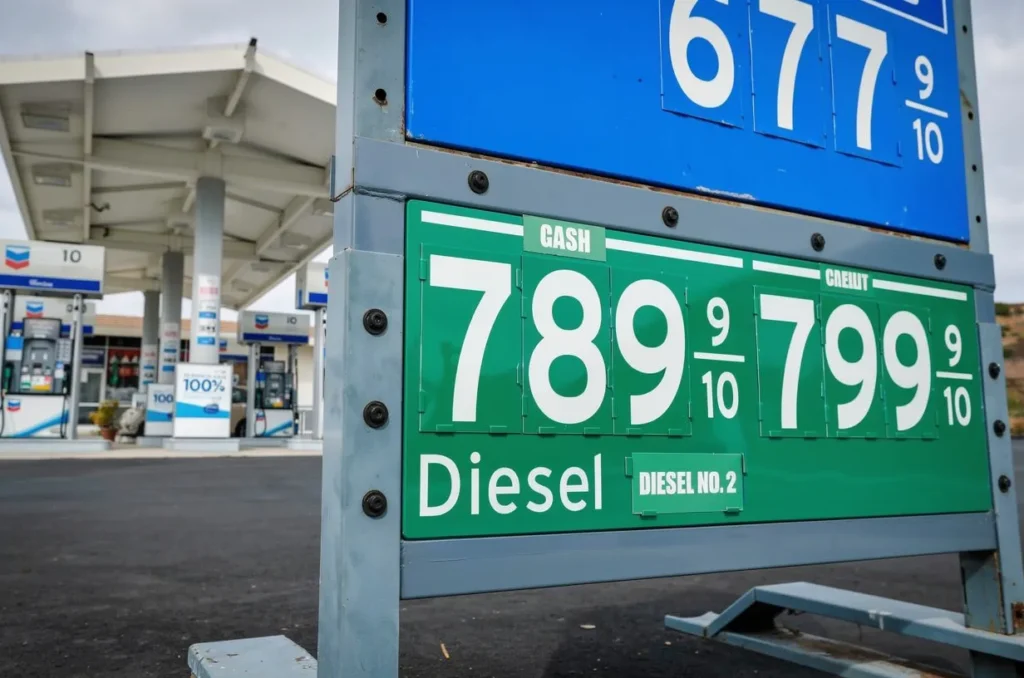
US gasoline prices rose back to $4 per gallon on Monday, according to AAA. Prices at the pump were last at that level on June 17, when the US and Iran signed an interim agreement intended to reopen the strait and stop the fighting.
That makes the oil move relevant beyond energy traders. Higher gasoline prices can feed into consumer inflation, household budgets and market expectations for central-bank policy.
Crude shocks become more difficult for equities when they start moving through the real economy. A short spike in oil can be absorbed. A sustained move higher in gasoline prices is harder to ignore.
Inventories leave little room for comfort
Energy Aspects founder Amrita Sen warned that the market remains complacent despite the recent price increase. She said a substantial slowdown in Strait of Hormuz shipping traffic, combined with depleted global inventories, could push oil prices above $100 per barrel.
That is the core risk. Oil prices can fall on diplomatic headlines when traders believe escalation may slow. But if inventories are tight and shipping traffic weakens, the market can reprice quickly.
The current setup remains sensitive because supply risk, shipping risk and consumer fuel prices are all connected. Talks may be possible, but the crude market still needs evidence that ships can move safely and exports can remain reliable.
WSA Take
Oil’s pullback was a diplomacy trade, not a supply reset. Iran’s comments reduced some immediate war premium, but Hormuz, the Red Sea and tight inventories still leave crude exposed to another sharp move higher if shipping disruptions continue.
Explore More Stories in Commodities
Disclaimer
WallStAccess is a financial media platform providing market commentary and analysis for informational and educational purposes only. This content does not constitute investment advice, a recommendation, or an offer to buy or sell any securities. Readers should conduct their own research or consult a licensed financial professional before making investment decisions.