Oil snapped back as war risk returned
Oil prices jumped Wednesday after the US president said Washington would hit Iran hard in response to an attempted attack on American forces in the Middle East.
Brent crude rose 7.2% to $90.12 per barrel, while West Texas Intermediate gained 6.6% to $84.46. The move reversed part of this week’s decline, when crude had sold off on hopes that the conflict was moving back toward diplomacy.
That optimism did not last long. Iran’s Islamic Revolutionary Guard Corps launched ballistic missiles at US forces, according to US Central Command. The missiles were successfully intercepted, Centcom said, but the attack was enough to bring the war premium back into oil.
The market is now being forced to price a more unstable path again: retaliation, disrupted shipping and reduced confidence that a near-term ceasefire can hold.
The pause in fighting broke quickly
The latest attack shattered a brief pause that had allowed oil prices to cool earlier in the week. Traders had started to price the possibility that diplomacy could restart and that the worst-case supply scenarios might be avoided.
That view now looks less secure.
The US president told Fox News that Iran would face a hard response after the missile launch. Axios reported that Iran targeted a US base in Jordan, while Centcom said the missiles were intercepted before hitting their targets.
The important point for crude is not only whether the attack caused damage. It is that the conflict is still active, and both sides remain willing to escalate.
Hormuz remains the central oil-market risk
The Strait of Hormuz remains the most important pressure point in the crude market.
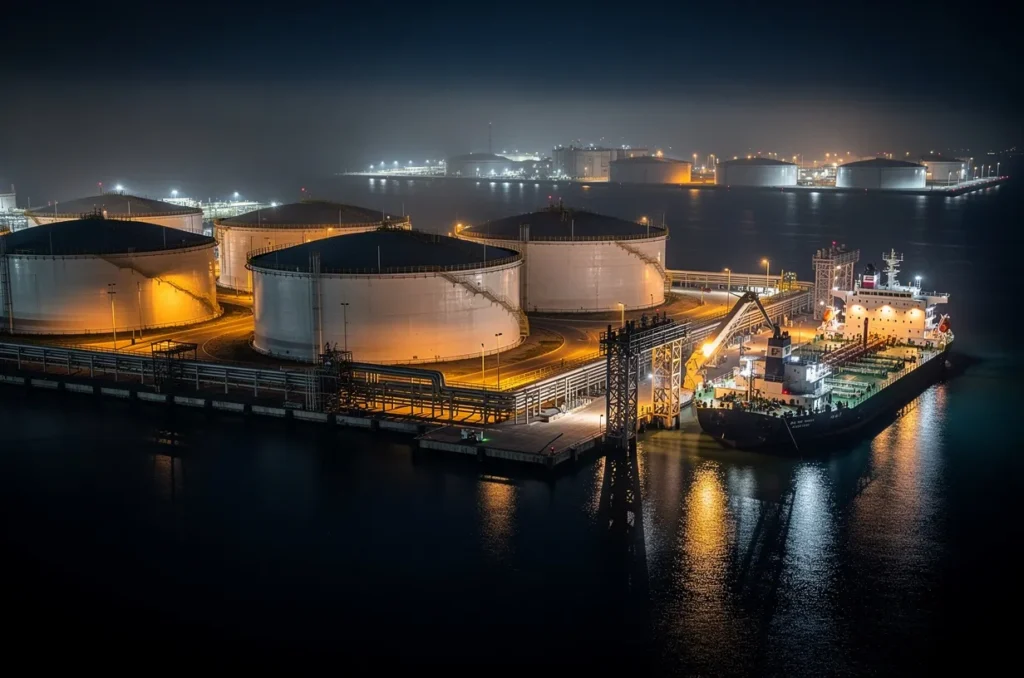
Iran has repeatedly attacked oil tankers transiting the strait this month. The waterway is one of the most important routes for Middle East crude exports, and any slowdown in tanker traffic can quickly affect prices, shipping insurance and supply reliability.
TD Securities senior commodity strategist Ryan McKay said markets had moved too quickly in pricing hopes of renewed peace, especially given Iran’s insistence on controlling the strait under any possible deal.
That is the core problem. Even if talks restart, control of Hormuz remains a major unresolved issue. Oil prices can fall on diplomatic headlines, but they can rise just as quickly when physical shipping risk returns.
The Red Sea is now part of the same supply shock
The conflict is not limited to Hormuz.
Iran-allied militias in Iraq launched drones at oil facilities in Saudi Arabia’s Riyadh and Eastern regions, according to Saudi state media. US and Saudi warplanes then carried out joint strikes against the Iraqi militias, Centcom said.
Iran’s Houthi allies in Yemen have also claimed attacks on Saudi energy infrastructure. The group said it targeted pipeline infrastructure used to move crude to Yanbu, Saudi Arabia’s export terminal on the Red Sea.
That pipeline has become more important because Saudi Arabia is relying on it while shipping through Hormuz remains disrupted.
The key pressure points are now clear:
- Hormuz tanker traffic
- Red Sea shipping routes
- Saudi pipeline infrastructure
- Regional oil facilities
- US retaliation risk
The more these risks overlap, the harder it becomes for the market to treat the oil spike as temporary.
Crude is still trading on reduced flows
RBC Capital Markets head of commodity strategy Helima Croft said she remains skeptical that the market is close to a major diplomatic breakthrough capable of resolving the nuclear standoff or normalizing maritime traffic.
That view explains the price action. Oil traders are not only reacting to one missile launch or one statement from Washington. They are reacting to the possibility that crude flows remain reduced for longer.
The Houthis have declared a maritime embargo against Saudi Arabia and claimed attacks on tankers in the Red Sea. Iran continues to pressure traffic through Hormuz. The US and its allies are responding militarily.
That is a difficult environment for crude supply to normalize.
WSA Take
Oil’s 7% jump shows how fragile the de-escalation trade was. A short pause in fighting was enough to pull prices lower, but the missile attack and threat of US retaliation quickly brought the war premium back.
The main issue is still physical supply risk. As long as Hormuz, the Red Sea and Saudi export routes remain under pressure, crude can stay volatile and supported even without a full shutdown.
Explore More Stories in Commodities
Disclaimer
WallStAccess is a financial media platform providing market commentary and analysis for informational and educational purposes only. This content does not constitute investment advice, a recommendation, or an offer to buy or sell any securities. Readers should conduct their own research or consult a licensed financial professional before making investment decisions.