Oil majors just showed what higher crude can do
ExxonMobil and Chevron reported sharply higher second-quarter profits as the Iran war pushed oil prices higher and tightened global energy markets.
Chevron’s net income rose to $12 billion, up nearly 400% from $2.5 billion in the same quarter last year. Adjusted earnings came in at $6.06 per share, beating Wall Street estimates by 50 cents.
Exxon posted quarterly profits of $14.5 billion, more than double the roughly $7.1 billion reported a year earlier. Adjusted earnings came in at $3.52 per share, missing analyst estimates by 8 cents.
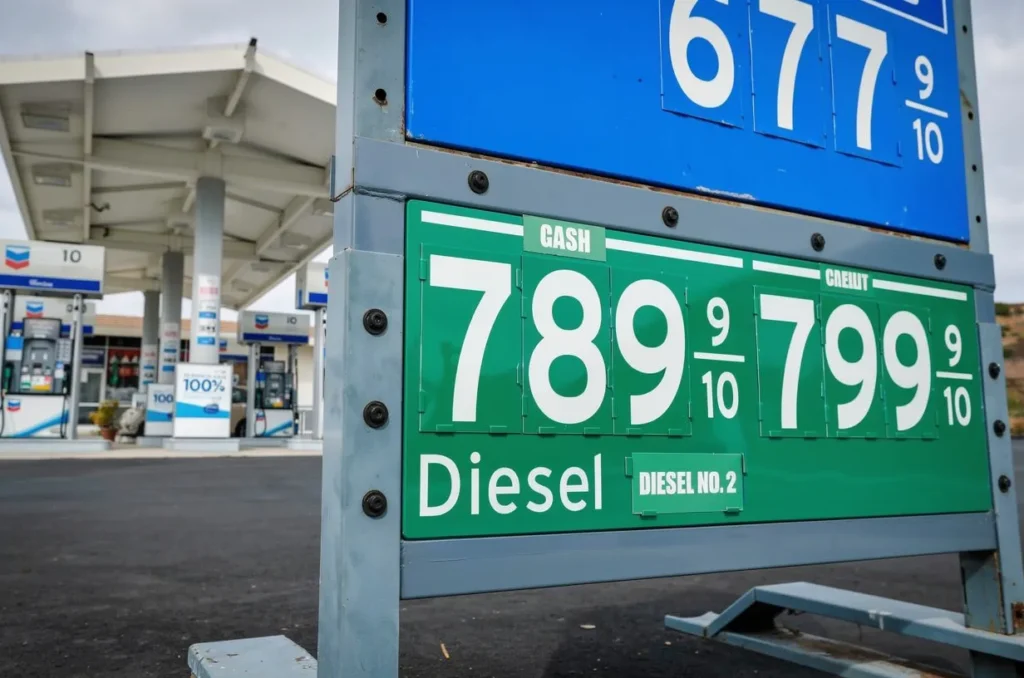
The earnings show how quickly higher crude prices can flow through the integrated oil model. Production, exports and refining all benefited as Middle East disruption lifted oil, gasoline and diesel prices.
Chevron delivered the cleaner quarter
Chevron had the stronger headline result.
The company beat expectations on both adjusted earnings and revenue, with revenue of $70 billion versus Wall Street estimates of $62 billion. CEO Mike Wirth said the company was “firing on all cylinders” at a time when the world needs more energy supply.
Chevron’s US production hit an all-time high of about 2 million barrels per day, while global production reached 4 million barrels per day, up 20% from 3.4 million barrels per day a year earlier.
That production growth arrived at exactly the right time. US crude averaged $92.45 per barrel from April through June, up 27% from the first quarter.
The combination of higher production and higher realized prices gave Chevron major operating leverage.
Exxon doubled profits, but refining created the miss
Exxon’s quarter was still strong, even though adjusted earnings came in slightly below expectations.
The company reported $116 billion in revenue, well above the $97.8 billion analysts expected. Upstream production reached its highest level in more than 20 years, excluding Middle East disruptions, while Permian Basin output hit a record.
Global production came in at 4.5 million barrels per day.
The issue was refining. CEO Darren Woods said disruption across crude and refined product markets made pricing difficult to forecast. Exxon’s refining business still generated $5.5 billion in second-quarter earnings, a sharp turnaround from a $1.3 billion loss in the first quarter, but volatility weighed on the company’s ability to match analyst expectations.
That is an important distinction. Exxon did not miss because the oil market was weak. It missed because the energy market became harder to model.
Middle East disruption lifted the whole energy chain
The Iran war has changed the energy setup.
Higher crude prices helped upstream earnings, while disruption in global fuel markets lifted refining margins. Chevron’s refining segment generated $4.9 billion in profit, up from $737 million in the second quarter of 2025.
Exxon’s refining business also improved sharply, helped by strong Gulf Coast utilization and record diesel production.
The pressure is no longer limited to the Strait of Hormuz. Wirth warned that the threat to oil supply has expanded as Iran-aligned Houthi forces in Yemen pressure the Red Sea, which has become a critical alternative route for Saudi oil exports.
That puts multiple export corridors under stress at the same time:
- Strait of Hormuz
- Red Sea shipping routes
- Saudi export infrastructure
- Global crude inventories
- Refined product supply
When those risks overlap, energy prices can move quickly.
Chevron warned inventories are running out of cushion
Wirth’s warning was blunt. He said global energy markets are under stress and that the situation is getting more difficult each day as the war expands and inventories fall.
That matters because falling inventories reduce the market’s ability to absorb disruptions. If crude and refined product stockpiles are already tightening, any additional supply shock can have a larger price impact.
For investors, that is the key earnings takeaway. Exxon and Chevron are not just benefiting from higher prices today. They are operating in a market where supply risk, logistics risk and inventory risk are all reinforcing each other.
That backdrop keeps the large integrated oil companies relevant, especially when they can produce more barrels and capture stronger refining margins at the same time.
WSA Take
Exxon and Chevron’s earnings show how powerful the current oil-price environment has become for integrated energy companies. Chevron had the cleaner beat, while Exxon still more than doubled profits despite a refining-related miss.
The bigger story is supply risk. With Hormuz, the Red Sea and global inventories all under pressure, oil majors with scale, production growth and refining capacity remain positioned to benefit from a tighter energy market.
Explore More Stories in Commodities
Disclaimer
WallStAccess is a financial media platform providing market commentary and analysis for informational and educational purposes only. This content does not constitute investment advice, a recommendation, or an offer to buy or sell any securities. Readers should conduct their own research or consult a licensed financial professional before making investment decisions.