
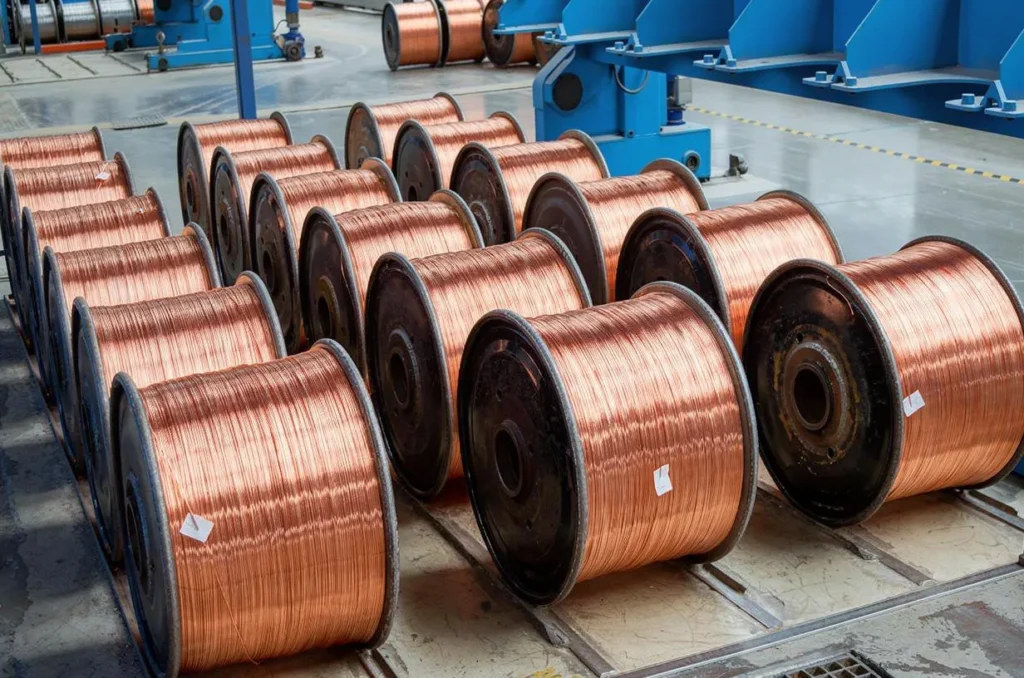
Copper is being pulled into the US at record speed
Copper is pouring into the United States as traders wait for a decision on possible tariffs on refined copper imports.
About 200,000 metric tons of copper arrived in the US in July, the largest monthly inflow in IHS Markit shipping data going back to 2014. Roughly 110,860 tons are being stored at US ports outside the London Metal Exchange warrant system.
The buildup has been driven by a simple price signal: copper is worth more in New York than in London.
That premium has encouraged traders to move metal into the US, even as inventories outside the US have tightened. LME warehouse stocks outside America have fallen sharply this year as shipments were redirected toward US ports.
The tariff threat is reshaping trade flows
The market is waiting for the White House to decide whether tariffs should be extended from semi-finished copper products to refined metal.
The June 30 deadline for Commerce Secretary Howard Lutnick to recommend action has already passed without an announcement. Producers, consumers and traders are still waiting for clarity.
The current debate sits on top of existing 50% tariffs on semi-finished copper products and derivatives.
Supporters argue tariffs would push more investment into US copper mining, refining and processing. Opponents argue they would raise costs for manufacturers that rely on imported copper and make US-made goods less competitive.
Comex copper is keeping the arbitrage open
The Comex-LME spread remains wide enough to keep metal moving into the US.
In July, the spread between front-month Comex copper and the LME cash contract averaged more than $350 per metric ton. That is high enough to cover shipping and still make US deliveries attractive.
Official Comex inventories have risen more than 40% this year to a record. The broader US copper hoard is now widely estimated at more than 1 million metric tons.
Copper is increasingly treated as a strategic metal because of its role in power grids, AI data centres, electric vehicles and defense supply chains. The tariff threat has helped the US build stockpiles before any final decision is made.
London is showing signs of tightness
The US stockbuild has come at a cost to the rest of the market.
The London copper market is tightening, with nearby contracts trading at a premium of about $65 per metric ton over three-month futures. That is the widest backwardation since January.
Backwardation signals near-term scarcity. Buyers are paying more for immediate copper than for future delivery, which points to tighter available supply outside the US.
The same arbitrage that is filling American ports is draining metal from other regions.
The next tariff decision could move the market quickly
A decision to impose tariffs on raw copper would likely trigger one final rush of shipments before the levies take effect.
A decision to drop the proposal could have the opposite effect. Merchants that spent the past 18 months building US positions may start unwinding them, reversing trade flows and reducing the premium in New York.
Trump directed Lutnick last July to study whether refined copper imports should face phased tariffs beginning at 15% in January 2027. Since then, the tariff threat has repeatedly pushed New York copper prices above London.
The market is now positioned around one question: whether the White House turns the threat into policy.
Copper’s tariff trade is still alive
Copper’s record inflow into the US shows how powerful policy uncertainty has become in the metals market.
The US is stockpiling metal before a possible tariff shift. New York prices remain elevated versus London. LME supply is tightening. Traders are still being paid to move copper west.
The tariff decision will decide whether this trade gets one last surge or starts to unwind.
Explore More Stories in Commodities
Disclaimer
WallStAccess is a financial media platform providing market commentary and analysis for informational and educational purposes only. This content does not constitute investment advice, a recommendation, or an offer to buy or sell any securities. Readers should conduct their own research or consult a licensed financial professional before making investment decisions.