The AI boom is running into city hall
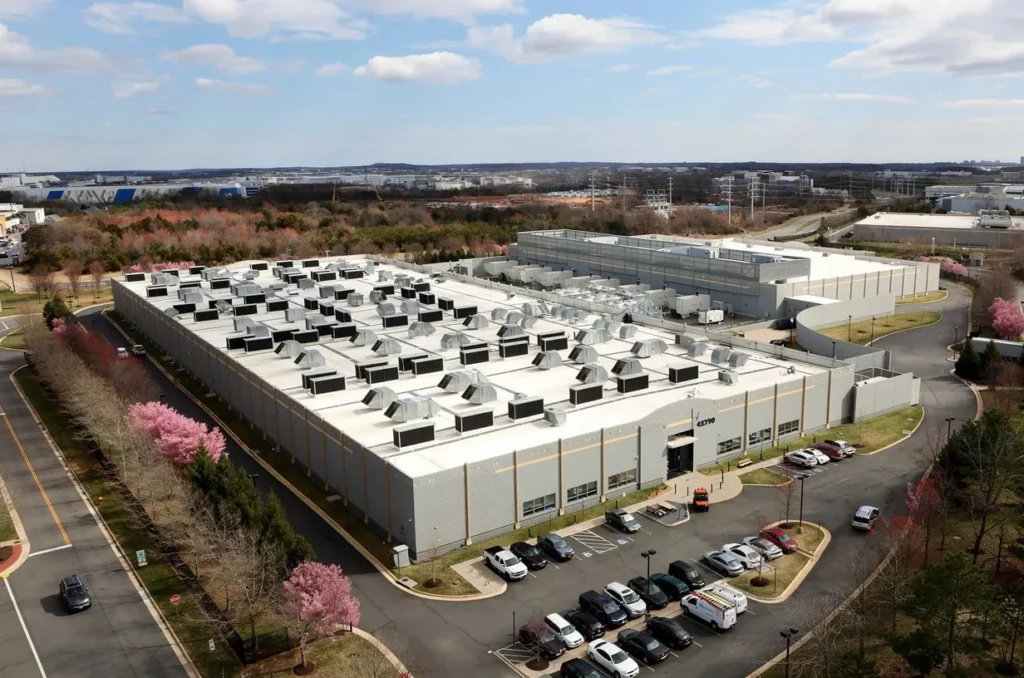
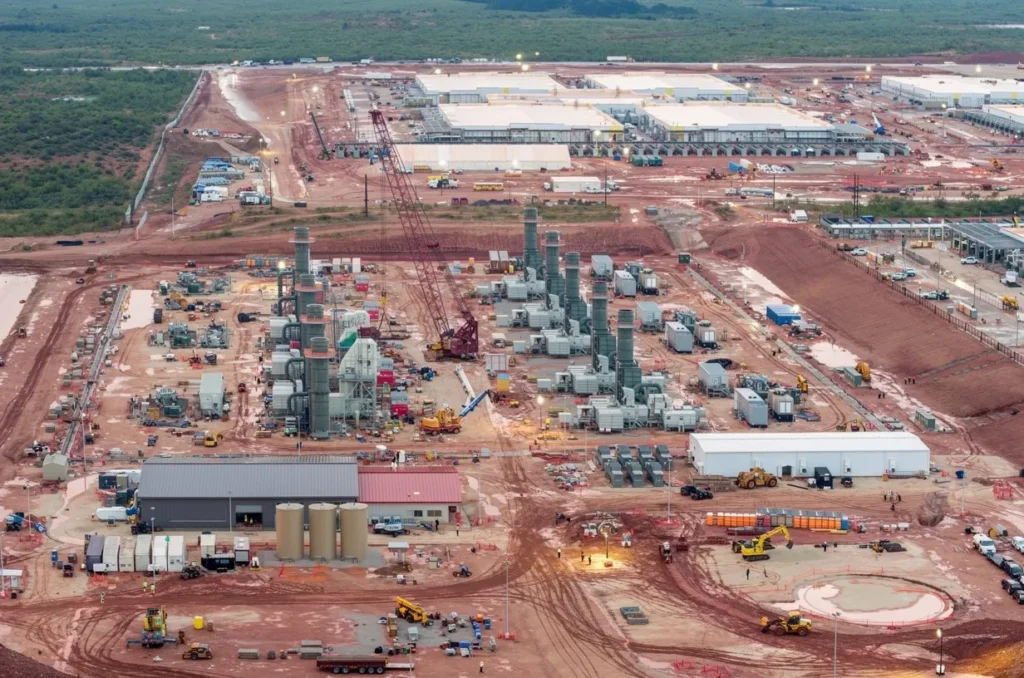
The largest technology companies have committed hundreds of billions of dollars to AI infrastructure, but money does not guarantee that a data center gets built.
Between April and June, 45 U.S. projects worth roughly $68 billion were blocked or delayed by local opposition, according to Data Center Watch. During the first quarter, another 75 projects worth about $130 billion faced resistance.
The scale is becoming difficult to dismiss. Data Center Watch now counts 843 opposition groups across 49 states, while roughly 30 statehouses have introduced or adopted rules covering data center siting, electricity or water use.
More than half of the new large-scale projects tracked during the second quarter encountered some form of disruption.
Amazon (NASDAQ: AMZN), Microsoft (NASDAQ: MSFT), Alphabet (NASDAQ: GOOGL) and Meta (NASDAQ: META) may have the capital and demand to keep building. Increasingly, they also need communities willing to let them.
The next bottleneck may be permission
AI infrastructure has already run into shortages of GPUs, transformers, electricity and grid connections. Local approval is becoming another constraint, and unlike semiconductor production, it cannot simply be solved by ordering more equipment.
Residents are pushing back over electricity demand, water consumption, noise and the effect large campuses can have on surrounding communities. In some areas, moratoriums are being introduced before developers even submit applications.
That changes the economics of the data center race.
A parcel of land with secured power, grid access and permits becomes more valuable when competing projects nearby cannot get approved. Existing campuses capable of expanding may also gain an advantage over greenfield developments that still have to survive years of planning and public scrutiny.
The AI buildout is starting to resemble industries such as mining and energy, where owning the resource is only the beginning. A project also needs infrastructure, permits and a social license to operate.
Billions of AI spending could start moving geographically
Hyperscalers are unlikely to abandon their expansion plans because one county says no. They can move.
Capital could increasingly flow toward states and communities with available electricity, faster permitting and clearer rules around water and infrastructure. Developers may also place a higher value on existing data center markets where the difficult approval work has already been completed.
The pressure is spreading internationally as well. Data Center Watch is now seeing similar opposition emerge in Europe, Australia, South Africa and other markets.
The question is no longer whether enough money exists to build AI infrastructure. It is where that money can actually be deployed.
That distinction could become increasingly important as the industry races to add gigawatts of computing capacity. Chips can be manufactured. Capital can be raised. But a $10 billion data center that cannot secure local approval is still just a plan.
The next premium in AI infrastructure may belong to the places where companies are actually allowed to build.
Disclaimer
Wall Street Access is an independent financial publisher. Wall Street Access is not a financial advisor. No company mentioned has compensated Wall Street Access for the preparation, publication or distribution of this article. This content is provided for informational and educational purposes only and is not investment advice or a recommendation to buy, sell or hold any security. Investing involves risk, including the possible loss of principal.
Prices, market capitalizations, financial figures and other market data are based on information available as of the date and time of publication and may change without notice. Information is drawn from public sources believed to be reliable but is not guaranteed to be complete or accurate. Opinions and expectations expressed are our own and may change as new information becomes available.
Readers should conduct their own due diligence and contact a licensed financial professional before making any investment decision. Past performance does not guarantee future results. Any material ownership interest or conflict of interest, where applicable, will be disclosed separately.