Greenland just picked up a geopolitical premium
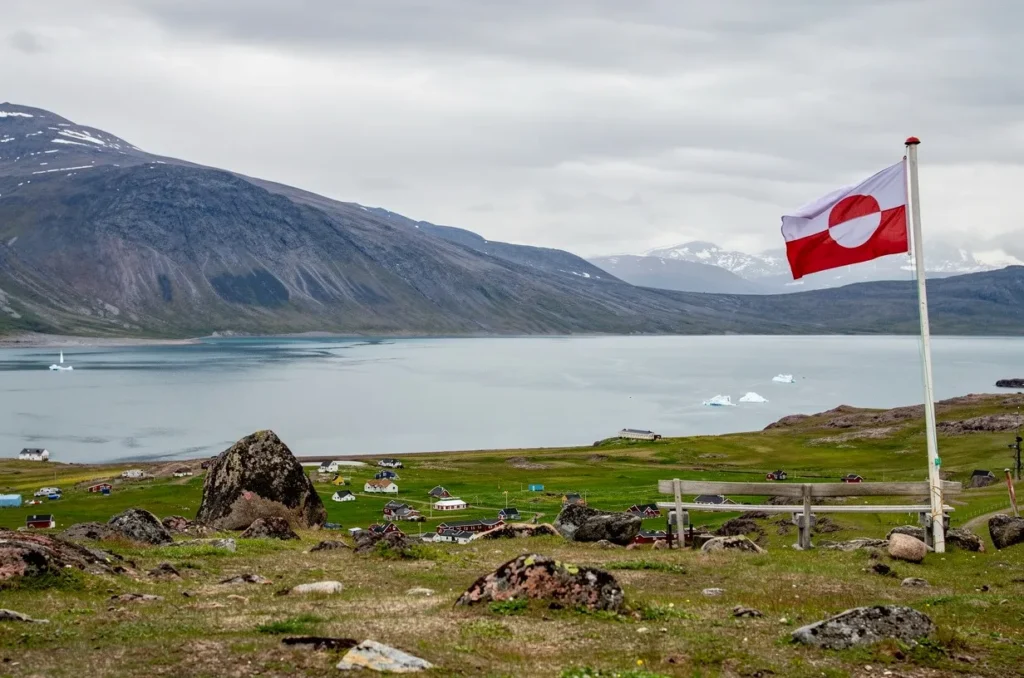
Greenland-linked stocks exploded higher Monday after the U.S., Denmark and Greenland reached a security framework expected to expand the American military presence on the Arctic island.
The biggest moves included:
- Greenland Mines (GRML): up more than 200%Greenland Energy
- Greenland Energy (GLND): up roughly 159%
- Critical Metals (NASDAQ: CRML): up nearly 37%
The agreement is primarily about Arctic security. It is expected to prevent rival powers from establishing military bases or making certain strategic investments in Greenland, while Danish and Greenlandic officials have stressed that the island’s sovereignty and right to self-determination remain intact. The full terms have not yet been published.
The market quickly looked beyond military bases and toward what sits underneath Greenland: rare earths, precious metals and energy resources.
Rare earths are becoming part of the Greenland security story
Critical Metals has one of the clearest links to that theme through its Tanbreez rare earth project in southern Greenland.
The company is advancing Tanbreez toward potential production later this decade and has already signed a 15-year binding offtake agreement with REalloys for rare earth concentrate intended to support U.S. defense and national-security supply chains. Critical Metals also launched a $30 million program this year aimed at accelerating drilling, engineering and infrastructure work at the project.
Greenland Mines brings exposure to rare earths and precious metals, while Greenland Energy is pursuing oil and gas opportunities on the island.
None of those projects suddenly became more economic Monday. What changed was the strategic value the market is assigning to having assets inside Greenland as the U.S. deepens its security interest in the Arctic.
Washington has been spending aggressively to reduce dependence on China for critical minerals, particularly rare earths used in defense technology. A closer U.S. security relationship with Greenland naturally raises questions about whether Western capital, infrastructure and government support could begin following the military presence.
The stock rally is ahead of the projects
The security agreement does not hand mining companies new permits or provide direct financing.
That distinction matters in Greenland, where development can still be slow and politically sensitive. Greenland Energy, for example, recently delayed drilling plans after running into local permitting issues. Denmark and Greenland have also made clear that the new security framework does not transfer control over the territory or its resources to Washington.
The more important signals will come after the headlines: new government funding, infrastructure investment, faster approvals, strategic offtake agreements or direct Western investment into advanced mineral projects.
Critical Metals already has several of those pieces beginning to take shape at Tanbreez, which helps explain why its rally deserves more attention than a purely thematic move.
Greenland has always had valuable geology. What it has not always had is enough capital, infrastructure or strategic urgency to develop it quickly.
The security deal may not change Greenland’s mining industry overnight, but it has made the island much harder for Western governments and capital markets to ignore.
Explore More Stories in Markets
Disclaimer
Wall Street Access is an independent financial publisher. Wall Street Access is not a financial advisor. No company mentioned has compensated Wall Street Access for the preparation, publication or distribution of this article. This content is provided for informational and educational purposes only and is not investment advice or a recommendation to buy, sell or hold any security. Investing involves risk, including the possible loss of principal.
Prices, market capitalizations, financial figures and other market data are based on information available as of the date and time of publication and may change without notice. Information is drawn from public sources believed to be reliable but is not guaranteed to be complete or accurate. Opinions and expectations expressed are our own and may change as new information becomes available.
Readers should conduct their own due diligence and contact a licensed financial professional before making any investment decision. Past performance does not guarantee future r