Copper is pulling back, but the supply picture is unusual
Copper has been one of the strongest-performing industrial metals of 2026, climbing to a record $14,875 per metric ton in September as investors worried about mine disruptions, U.S. tariffs and increasingly concentrated supplies.
Monday brought some relief to those concerns.
Benchmark copper slipped toward $14,300 per metric ton, following an increase in inventories at London Metal Exchange warehouses and the resolution of a labor dispute at Chile’s Centinela mine.
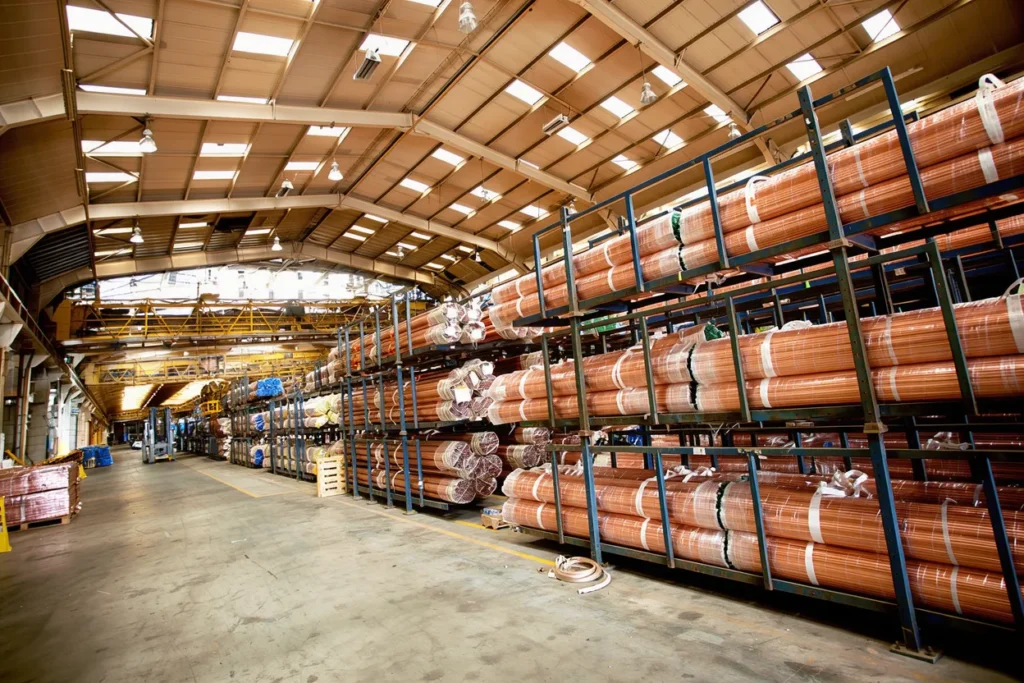
Available LME copper stocks rose to 147,450 metric tons, their highest level in two months, following an additional 8,225 tons of metal arriving at U.S. warehouses.
Meanwhile, more than 700 workers at Antofagasta’s Centinela operation agreed to end a strike that began October 7. The mine produced approximately 240,400 tons of copper last year, although the company maintained normal production throughout the labor dispute.
Removing that uncertainty gave traders another reason to take profits following copper’s extraordinary rally.
But rising warehouse inventories reveal something more interesting about the current market.
Copper is not necessarily becoming abundant everywhere. An enormous amount of available metal has simply accumulated in the United States.
America has become a magnet for the world’s copper
Washington’s proposed tariffs on refined copper have transformed how the metal moves around the world.
Anticipating possible import duties, traders spent much of the past two years shipping copper into U.S. warehouses, taking advantage of higher domestic prices and positioning inventories ahead of potential restrictions.
The buildup has been extraordinary.
According to recent estimates from Macquarie, American copper inventories have climbed to roughly 1.6 million metric tons, including metal held both on and off exchanges.
U.S. Comex warehouses now account for approximately 70% of the world’s visible exchange copper inventories, a dramatic concentration of metal in one country.
That has created an unusual imbalance. America holds substantial excess inventories, while buyers elsewhere face tighter availability. Because traders have financial incentives to keep the copper in the United States, those inventories are not necessarily available to relieve shortages overseas.
The tariff question remains unresolved. Washington has been considering duties of 15% on refined copper imports in 2027, potentially rising to 30% in 2028, although no final decision has been announced.
Removing the tariff threat could eventually reduce the incentive to accumulate metal in America, but shipping costs and regional price differences may discourage a rapid reversal.
A copper surplus in American warehouses does not automatically translate into cheaper copper for manufacturers in Europe or Asia.
The next test is whether copper demand can absorb more supply
Longer-term enthusiasm for copper remains tied to the enormous quantities required for power grids, renewable energy, electric vehicles and data centers.
Those industries are expanding, but expectations for supply are improving too.
The International Copper Study Group’s latest forecast projects a global refined copper surplus of approximately 104,000 metric tons in 2026, widening to 368,000 tons in 2027 as mine production recovers and additional refining capacity comes online.
That is an important development for a market where expectations of persistent shortages have supported record prices.
Global refined copper consumption is still expected to increase 2.5% next year. However, production is forecast to grow faster, suggesting the market could become better supplied in the near term even as longer-term demand remains attractive.
China adds another uncertainty. Economic growth has improved, but its property downturn continues weighing on a major source of traditional copper consumption. Strong investment in grids, manufacturing and electrification may help offset some of that weakness.
For mining companies, elevated prices remain highly attractive, particularly after years of rising development costs and limited investment in new production. But a stronger supply outlook also makes project economics, operating costs and development timelines increasingly important.
The next few months should provide a clearer picture. Investors will be watching whether U.S. inventories continue growing, how Washington resolves the refined copper tariff question and whether the projected 2027 supply recovery materializes.
Copper’s recent pullback does not eliminate its long-term investment case. It does challenge the idea that a structural shortage will keep prices rising in a straight line.
With copper still trading near historically elevated levels, the market may be entering a period where actual consumption and the location of available supply matter just as much as forecasts of future demand.
Explore More Stories in Commodities
Disclaimer
Wall Street Access is an independent financial publisher. Wall Street Access is not a financial advisor. No company mentioned has compensated Wall Street Access for the preparation, publication or distribution of this article. This content is provided for informational and educational purposes only and is not investment advice or a recommendation to buy, sell or hold any security. Investing involves risk, including the possible loss of principal.
Prices, market capitalizations, financial figures and other market data are based on information available as of the date and time of publication and may change without notice. Information is drawn from public sources believed to be reliable but is not guaranteed to be complete or accurate. Opinions and expectations expressed are our own and may change as new information becomes available.
Readers should conduct their own due diligence and contact a licensed financial professional before making any investment decision. Past performance does not guarantee future results. Any material ownership interest or conflict of interest, where applicable, will be disclosed separately.