A tough time to sell another AI stock
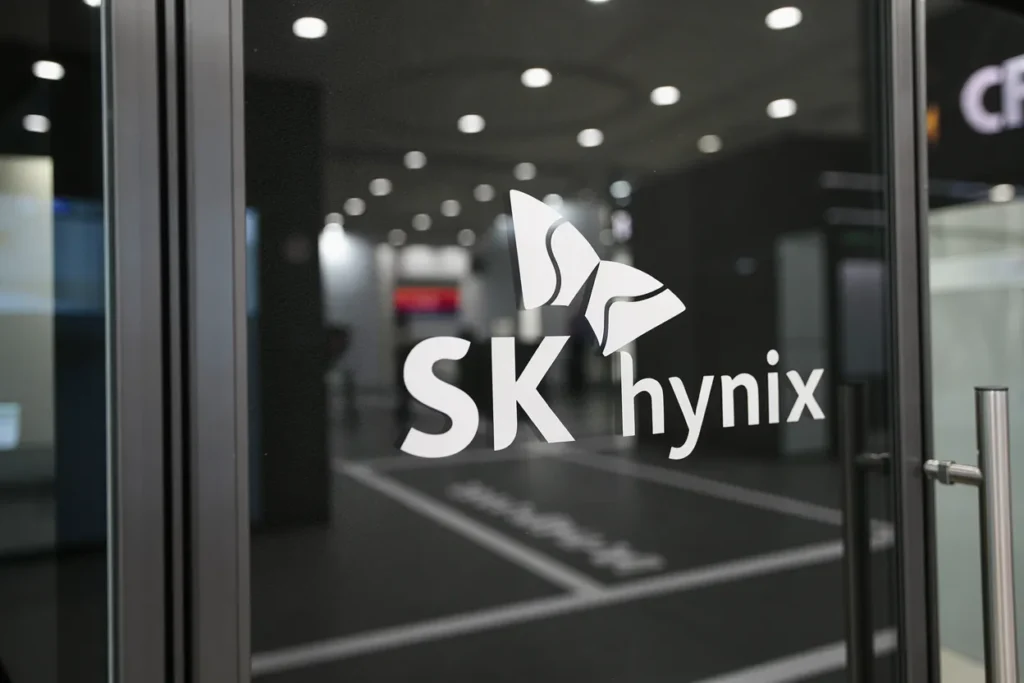
In July, SK Hynix (NASDAQ: SKHY) raised $26.5 billion in a record U.S. listing for a foreign company. Three months later, its American shares remain below their $149 offering price, and the company is abandoning a potential listing of its storage subsidiary, Solidigm. Through Thursday, SK Hynix’s U.S. shares had lost roughly 30% over the preceding month.
Friday’s decision shelves a deal that industry estimates suggested could raise $10 billion to $15 billion at a valuation of up to $150 billion. Those figures describe two different things: the money investors might contribute and the value assigned to the whole business.
SK Hynix halted its review of both pre-IPO financing and an IPO, citing market conditions and share-price trends. Management says Solidigm’s growth prospects and investment needs remain unchanged.
A factory needs funding on its construction schedule. Investors buy shares on their own schedule. October has pulled those calendars further apart.
Shareholders already own the prize
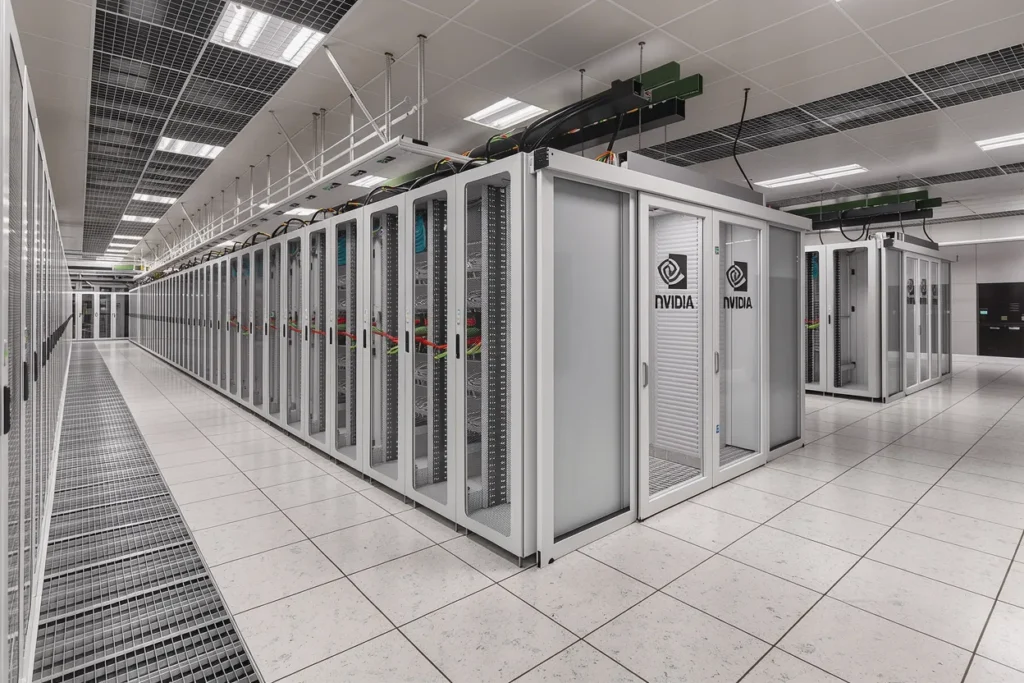
Solidigm makes high-capacity enterprise solid-state drives used in AI data centers. Its NAND storage business serves a different purpose from the high-bandwidth memory that has made SK Hynix a central supplier to the AI boom.
A separate listing could give Solidigm its own valuation and bring outside money into its expansion. Existing SK Hynix shareholders, however, already have an economic interest in that business. New investors would receive a share of future profits in exchange for their capital.
Whether that exchange creates value depends heavily on the price.
Concerns about that trade-off predate Friday’s announcement. On October 1, SK Hynix addressed worries about a dual listing and shareholder dilution, saying external financing must be weighed against using internal cash.
Postponing the sale can protect shareholders from accepting an unattractive valuation. It also keeps more of the financing responsibility inside the group.
SK Hynix has resources: it reported 69.4 trillion won in net cash at the end of June, alongside record quarterly operating profit. But that cash has competing destinations. In August, the board approved a 40 trillion won share repurchase and cancellation program and targeted returning more than half of cumulative 2025–2027 free cash flow to shareholders.
Factory expansion, buybacks and dividends eventually meet in the same bank account.
Subscribe to Wall Street Access for More Info on AI
The expansion bill survives the IPO
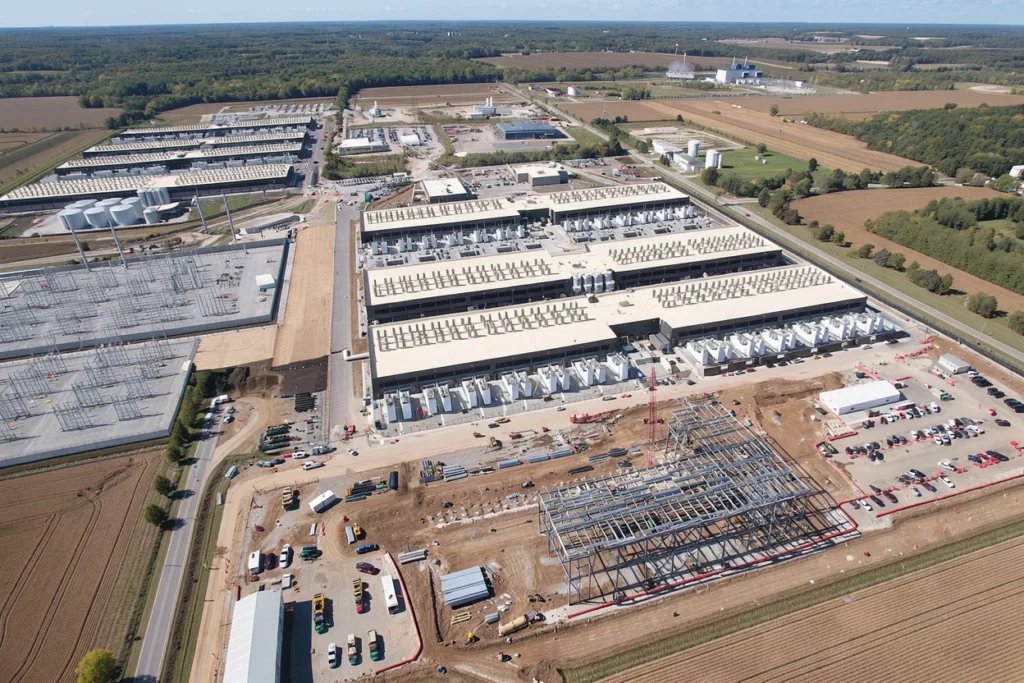
Management says Solidigm’s existing facilities cannot satisfy rising demand and that additional U.S. production capacity remains necessary. Investment timing, scale and financing are still being assessed.
Our reading is that shelving the IPO places capital allocation at the center of the investment case. Retaining more ownership becomes attractive if future storage profits justify the money required to expand. Spending heavily near a pricing peak would make that calculation less forgiving.
Memory companies can report exceptional profits while their stocks fall because investors are pricing the next supply cycle. New factories address today’s shortage but can become tomorrow’s competition.
SK Hynix reports third-quarter results on October 28, Seoul time. Sandisk (NASDAQ: SNDK) follows with its earnings call on October 29. Pricing, customer commitments and spending plans will help test whether storage demand can support the next wave of capacity.
SK Hynix has stepped back from selling a stake in Solidigm. Shareholders now need to see how much keeping it will cost.
Disclaimer
Wall Street Access is an independent financial publisher. Wall Street Access is not a financial advisor. No company mentioned has compensated Wall Street Access for the preparation, publication or distribution of this article. This content is provided for informational and educational purposes only and is not investment advice or a recommendation to buy, sell or hold any security. Investing involves risk, including the possible loss of principal.
Prices, market capitalizations, financial figures and other market data are based on information available as of the date and time of publication and may change without notice. Information is drawn from public sources believed to be reliable but is not guaranteed to be complete or accurate. Opinions and expectations expressed are our own and may change as new information becomes available.
Readers should conduct their own due diligence and contact a licensed financial professional before making any investment decision. Past performance does not guarantee future results. Any material ownership interest or conflict of interest, where applicable, will be disclosed separately.