The Construction Outside the Fence
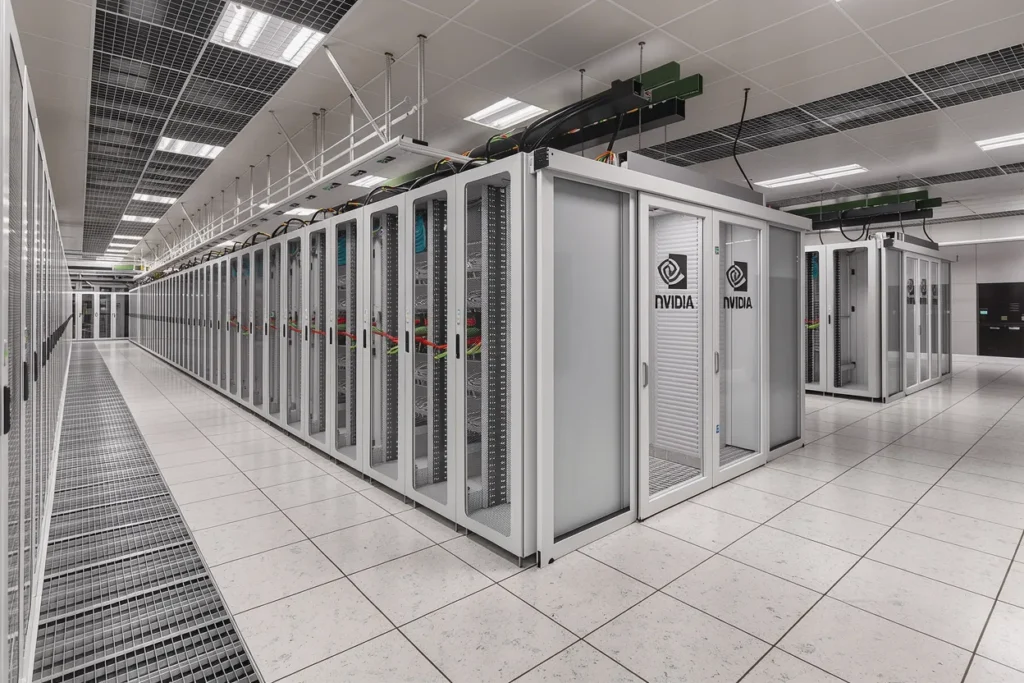
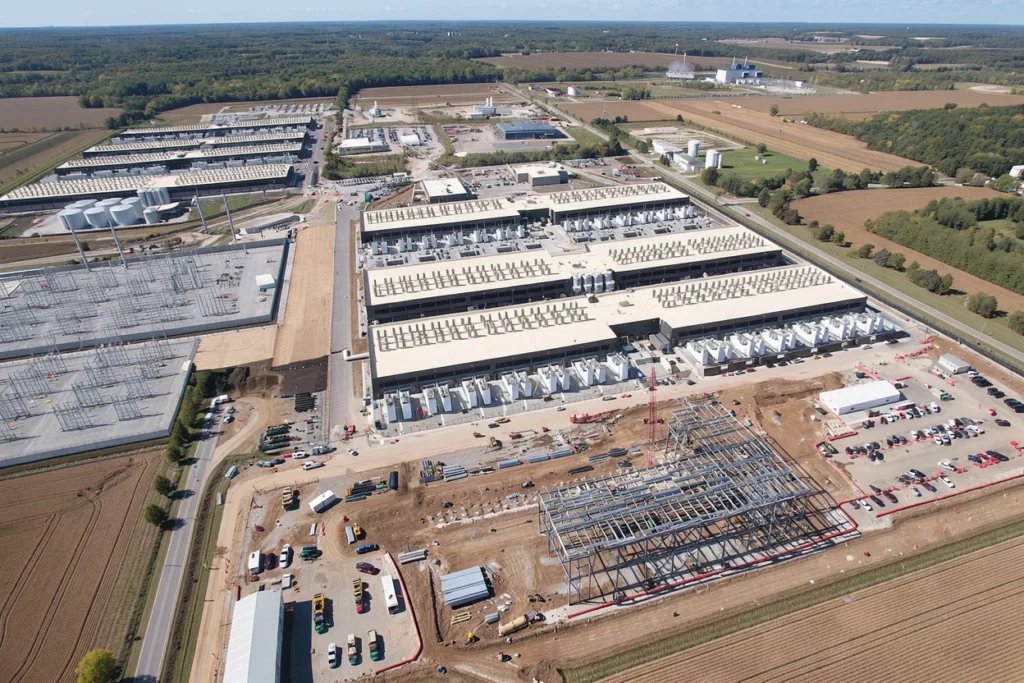
The AI boom has a much larger construction site than the one investors see in data-center photos. Beyond the server halls sit the transmission lines, substations and power plants needed to keep them running. Those installations can require three to four times as much metal as the facilities they support, according to Wood Mackenzie’s latest analysis.
The consultancy tracks more than 250 gigawatts of data-center projects worldwide, over three times the pipeline a year earlier. Proposed capacity is not guaranteed construction, but the scale explains why AI spending is becoming a mining and industrial investment story alongside a technology story.
Copper is particularly exposed because the electrical infrastructure supporting AI competes for material already needed by factories, transportation systems and ordinary grid upgrades. A cloud company may have its financing and chips secured while still waiting for the infrastructure that makes them useful.
A New Mine Runs on a Different Clock
Data centers can be built in one to three years, while new grid infrastructure can take five to 15 years, including planning and permitting. Further upstream, copper mine development averages about 17 years, according to S&P Global. The customer, the utility and the miner are working to very different calendars.
Wood Mackenzie estimates the industry must bring roughly 850,000 tonnes of additional annual copper production capacity from new mines online each year over the coming decade. Elevated prices should encourage that investment, yet permitting uncertainty, construction costs and increasingly complex projects continue to hold back approvals.
Independent research points in the same direction. Even after accounting for advancing projects, the International Energy Agency’s latest outlook identifies a potential copper supply gap of approximately 25% in 2035. That is a conditional forecast, and additional investment, recycling and substitution can change it. But the current project pipeline still leaves substantial work unfinished.
Higher prices can improve the economics of a mine plan quickly. They cannot compress every stage between discovery and the first shipment of copper.
Subscribe to Wall Street Access for more on AI and critical metals.
The Opportunity Depends on What Gets Built
Copper’s long-term case still allows for periods of improving supply. Wood Mackenzie expects global mine output to grow more than 5% in 2027 after three years of stagnant growth. Its forecasts also put aluminum back into surplus next year, while some nickel markets remain oversupplied. AI demand does not give every metal the same investment outlook.
For copper equities, we would pay particular attention to existing operations with credible expansion plans, alongside projects that have secured permits, financing and infrastructure. Their potential advantage is timing: adding production during the buildout rather than spending most of it working toward construction.
Higher metal prices can also be absorbed by rising labor, energy and development costs. Shareholders need additional profitable production, not simply a larger resource estimate or a more optimistic price assumption.
The next useful evidence will come from utility orders, financing agreements and mine construction approvals. A proposed AI campus can add to a demand forecast immediately. Turning that forecast into earnings requires suppliers capable of delivering on the customer’s timetable.
Explore More Stories in Commodities
Disclaimer
Wall Street Access is an independent financial publisher. Wall Street Access is not a financial advisor. No company mentioned has compensated Wall Street Access for the preparation, publication or distribution of this article. This content is provided for informational and educational purposes only and is not investment advice or a recommendation to buy, sell or hold any security. Investing involves risk, including the possible loss of principal.
Prices, market capitalizations, financial figures and other market data are based on information available as of the date and time of publication and may change without notice. Information is drawn from public sources believed to be reliable but is not guaranteed to be complete or accurate. Opinions and expectations expressed are our own and may change as new information becomes available.
Readers should conduct their own due diligence and contact a licensed financial professional before making any investment decision. Past performance does not guarantee future results. Any material ownership interest or conflict of interest, where applicable, will be disclosed separately.