Technology finds its footing on an uneven market floor
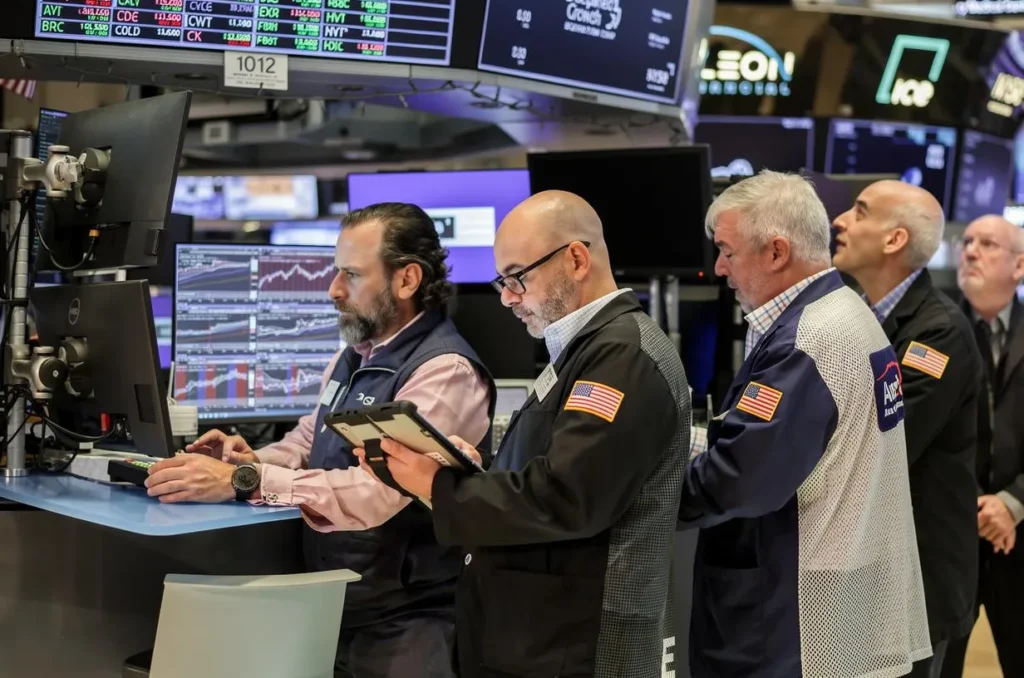
U.S. stocks struggled for direction Friday as investors revisited the companies behind the AI infrastructure boom. The Nasdaq Composite gained roughly 0.3%, while the S&P 500 slipped 0.2% and the Dow Jones Industrial Average fell 1.1% in intraday trading.
The modest technology rebound followed a 2.6% Nasdaq decline on Thursday, alongside a 1.21% drop in the S&P 500.
Treasury buying had pulled the 10-year yield below 5%, offering some relief from the financing pressure weighing on growth stocks. Expensive oil and renewed Middle East tensions, however, kept inflation and business costs in focus.
Lower yields can improve the valuation of future profits. They cannot establish how large those profits will be, or how much shareholders must spend before collecting them.
Meta’s cash machine meets a bigger construction bill
Meta Platforms (NASDAQ: META) supplied a particularly revealing set of numbers. Third-quarter revenue rose 26% to $64.6 billion, and operating cash flow reached $32.79 billion. Capital spending, including finance-lease principal payments, totaled $34.91 billion, leaving free cash flow at negative $2.12 billion.
Even a business that generates cash at Meta’s scale can spend faster than it earns.
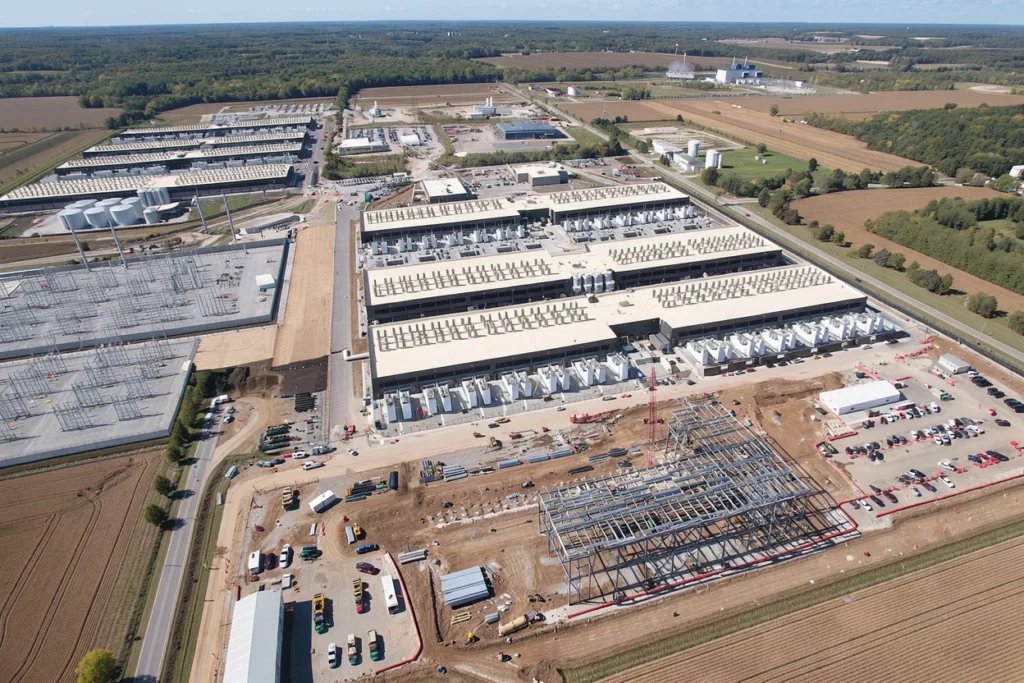
Management narrowed its annual capital expenditure outlook to $135 billion–$145 billion, raising the floor by $5 billion. It says AI is already improving advertising revenue, while newer investments will take longer to generate returns.
Meta also disclosed roughly $825 billion in future lease and contract commitments. Those obligations extend across future periods and should not be confused with this year’s spending budget.
Our reading is that investors are becoming more demanding about the timing of AI returns. Strong sales growth carries less reassurance when expansion consumes the cash those sales produce.
For chipmakers and infrastructure suppliers, the tension cuts both ways. Continued spending supports orders. Greater spending restraint could improve customers’ cash flow while weakening suppliers’ growth expectations.
Subscribe to Wall Street Access for Daily Market Updates
Good earnings still need to clear a higher bar
Friday’s pressure extended beyond technology. American Express (NYSE: AXP) shares fell roughly 3% despite adjusted earnings of $4.68 a share and a higher full-year profit outlook.
Revenue rose 9% to approximately $20.1 billion, while expenses reached $14.5 billion. The company also announced plans to eliminate roughly 3,500 jobs, or 5% of its workforce. Card spending continued to grow, underscoring that cost discipline and resilient customers can coexist.
AmEx and Meta face different business challenges, but their results point toward a shared investment question: how much of the next dollar of revenue will remain after the spending required to generate it?
Microsoft’s October 28 earnings release provides the next major test of that question for the AI trade. Cloud growth will matter, alongside infrastructure spending and the cash left afterward.
A smaller construction budget could unsettle AI suppliers. Another large increase could unsettle shareholders funding the construction. Evidence that customers are earning more from the capacity already built would give both groups something firmer to buy.
Explore More Stories in Markets
Disclaimer
Wall Street Access is an independent financial publisher. Wall Street Access is not a financial advisor. No company mentioned has compensated Wall Street Access for the preparation, publication or distribution of this article. This content is provided for informational and educational purposes only and is not investment advice or a recommendation to buy, sell or hold any security. Investing involves risk, including the possible loss of principal.
Prices, market capitalizations, financial figures and other market data are based on information available as of the date and time of publication and may change without notice. Information is drawn from public sources believed to be reliable but is not guaranteed to be complete or accurate. Opinions and expectations expressed are our own and may change as new information becomes available.
Readers should conduct their own due diligence and contact a licensed financial professional before making any investment decision. Past performance does not guarantee future results. Any material ownership interest or conflict of interest, where applicable, will be disclosed separately.