CrowdStrike wants to protect more of the working day
A security team needs to know what is happening on a company laptop. It also needs to control which applications and sensitive information that laptop can reach.
CrowdStrike is making a substantial bet on handling more of those decisions together.
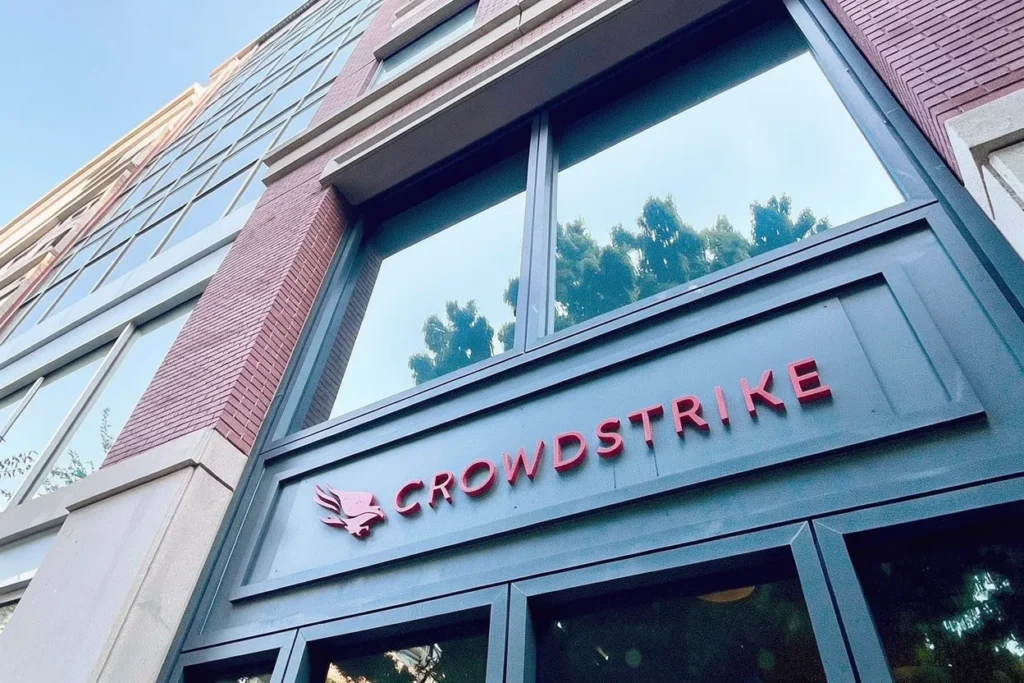
The company agreed to acquire Zscaler at an enterprise value of approximately $43.9 billion. Shares of CrowdStrike fell more than 8%, while Zscaler rose more than 17% in early trading.
CrowdStrike (NASDAQ: CRWD) is best known for protecting devices such as laptops and servers. Zscaler (NASDAQ: ZS) specializes in securing connections between users, applications and data.
Combining them could let security teams use information about a device’s condition when deciding what access to allow. That offers a practical reason to consolidate products: fewer gaps between detecting a problem and restricting what an affected system can do.
The underlying principle is zero trust, which requires authentication and authorization rather than assuming a user or device is safe because it is inside a company network.
AI agents make that question more pressing. Software acting with a user’s credentials needs limits on what it can access and change, just as an employee does.
The purchase price comes with a demanding sales assignment
Both businesses are growing before any integration begins.
CrowdStrike reported quarterly revenue of $1.58 billion, up 28%. Zscaler’s revenue rose 20% to $949.3 million.
The acquisition would create room to sell more products to existing customers. CrowdStrike identifies roughly 8,000 Zscaler customers that do not yet use CrowdStrike.
The revenue figure is an expected annual sales pace at that future point—not $1 billion of immediate sales. It depends on customers adopting additional products. Cost savings would come from combining infrastructure, vendors and operations.
Payment is also important: Zscaler shareholders would receive 1.135 CrowdStrike shares for each share they own. Their consideration therefore moves with CrowdStrike’s stock price.
The commercial case is understandable. Delivering it requires customers to see enough benefit in the combined offering to expand their spending.
Cybersecurity’s Biggest Deals Are Changing the Sector. Get the Next Stock Stories in Your Inbox.
A larger security platform carries a larger responsibility
Technology outages add urgency to discussions about resilience. They do not, by themselves, establish that a cyberattack occurred—or that buying more security software would have prevented the disruption.
CrowdStrike has its own experience with that distinction.
Its investigation into the July 2024 outage found that a content configuration update caused affected Windows systems to crash. The company subsequently detailed additional testing, staged deployment controls and customer options for managing updates.
That history gives the platform strategy a second dimension. Customers may gain simpler management and better coordination, while depending more heavily on a smaller group of vendors.
For CrowdStrike, successful integration must therefore preserve service reliability and customer control alongside expanding its product range. Infrastructure savings only create lasting value if they support a service customers trust.
The official closing target is the second half of CrowdStrike’s fiscal 2028, subject to shareholder and regulatory approvals. The companies will operate independently until then.
CrowdStrike is buying the opportunity to become more central to its customers’ security decisions. Earning that position will require the combined products to work better together—and remain dependable when customers need them most.
Disclaimer
Wall Street Access is an independent financial publisher. Wall Street Access is not a financial advisor. No company mentioned has compensated Wall Street Access for the preparation, publication or distribution of this article. This content is provided for informational and educational purposes only and is not investment advice or a recommendation to buy, sell or hold any security. Investing involves risk, including the possible loss of principal.
Prices, market capitalizations, financial figures and other market data are based on information available as of the date and time of publication and may change without notice. Information is drawn from public sources believed to be reliable but is not guaranteed to be complete or accurate. Opinions and expectations expressed are our own and may change as new information becomes available.
Readers should conduct their own due diligence and contact a licensed financial professional before making any investment decision. Past performance does not guarantee future results. Any material ownership interest or conflict of interest, where applicable, will be disclosed separately.