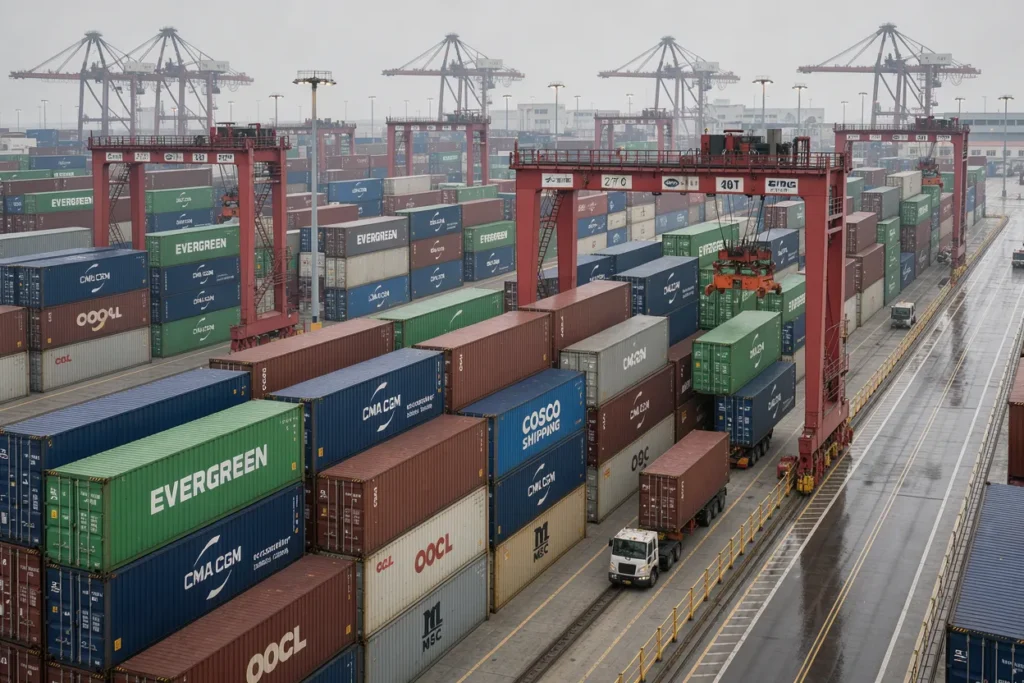
Two U.S. importers can read the same tariff headline and come away with very different price increases. For one, the new duty might add a few points to the cost of a shipment. For another, it could sit on top of a tariff the company has been paying for years.
The Trump administration on Wednesday proposed Section 301 tariffs on 14 economies, including China, the European Union, Japan and India. U.S. trade officials argue that foreign industrial policies have encouraged companies to produce more than their home markets can absorb and sell the excess abroad at prices that undercut American manufacturers. Beijing disputes that characterization.
The proposals follow investigations opened in March, weeks after the Supreme Court ruled that the emergency powers law Trump had relied on did not authorize tariffs. This time, the administration is pursuing duties under the Trade Act of 1974, with separate terms for each trading partner.
Europe gets a top-up. China can get another layer.
For covered EU goods, 15% is the proposed rate after counting standard customs duties and existing Section 301 tariffs. Take a shipment already subject to 12% in eligible duties. The new levy would add three percentage points. Certain goods already subject to separate Section 232 tariffs, including covered cars and steel products, would be exempt from the proposed EU levy.
The China proposal credits applicable duties from a separate forced-labor investigation. Older Section 301 duties tied to technology transfer can still apply. For a product already subject to a 25% levy from that earlier action and eligible for the full 20% layer, those duties could total 45%. Other goods would qualify for a lower rate or an exemption.
Get Macro News Sent Straight to Your Inbox
Moving production out of China still leaves tariff risk
The U.S. imported $204.8 billion in goods from Vietnam through September, already more than it bought in all of 2025. That makes Vietnam’s proposed rate of up to 35% consequential for U.S. buyers. The trade office would consider 20% if Vietnam reaches an agreement that addresses its findings. India faces a similar choice between a proposed rate of up to 25% and a possible 17% under a deal.
A retailer ordering next season’s footwear may have settled on a factory months ago. The proposed rates can change the cost of that order before it reaches a U.S. port. For manufacturers choosing where to place their next production run, the terms of a trade deal could change which supplier is cheaper.
The first deadlines are in January
U.S. trade officials set January 5, 2027 as the deadline for written comments and January 25 for the start of public hearings. The final notices will determine which products are exempt, which duties count toward the new rates and when importers start paying them.
Explore More Stories in Markets
Disclaimer
Wall Street Access is an independent financial publisher. Wall Street Access is not a financial advisor. No company mentioned has compensated Wall Street Access for the preparation, publication or distribution of this article. This content is provided for informational and educational purposes only and is not investment advice or a recommendation to buy, sell or hold any security. Investing involves risk, including the possible loss of principal.
Prices, market capitalizations, financial figures and other market data are based on information available as of the date and time of publication and may change without notice. Information is drawn from public sources believed to be reliable but is not guaranteed to be complete or accurate. Opinions and expectations expressed are our own and may change as new information becomes available.
Readers should conduct their own due diligence and contact a licensed financial professional before making any investment decision. Past performance does not guarantee future results. Any material ownership interest or conflict of interest, where applicable, will be disclosed separately.