Walmart keeps the account behind the chat
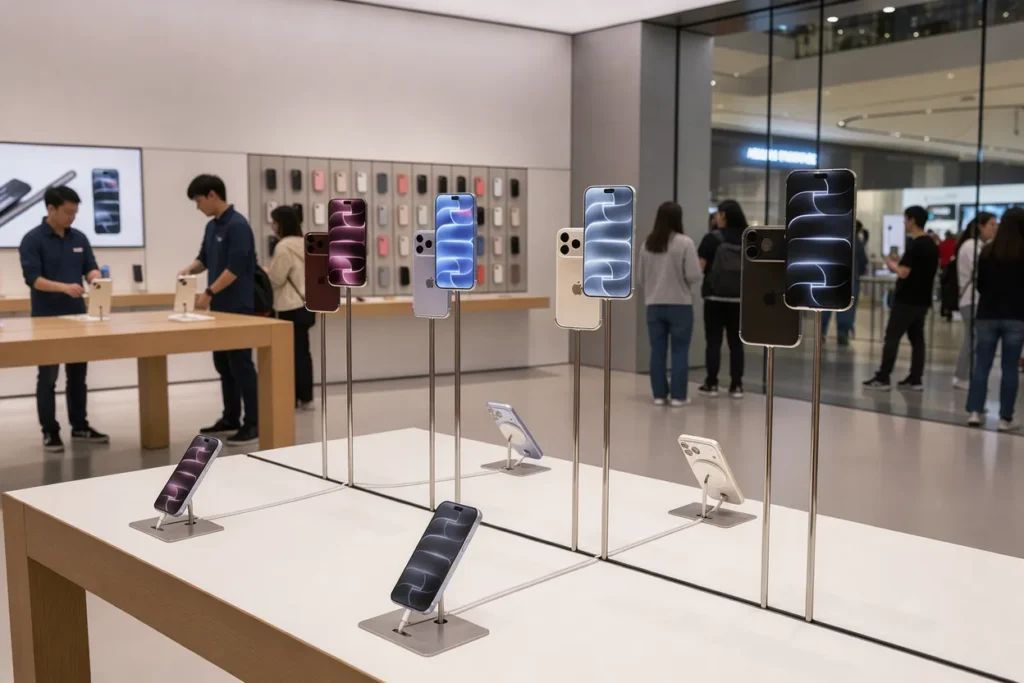
A Black Friday shopper can ask Muse, the AI assistant from Meta (NASDAQ: META), to find a TV under $500 and complete the purchase in chat. The order still goes through the shopper’s Walmart (NASDAQ: WMT) account, using a card the retailer already has on file.
That’s how Walmart’s Black Friday integration with Muse works. Shoppers sign in with Walmart and set a limit there. Muse passes along the request, Walmart finds products that match, and Walmart’s return policy applies to the order. Walmart says it can do this without sharing the shopper’s broader purchase history.
The arrangement gives Walmart another place to make a sale. It also gives Meta something valuable before a card is ever charged. When a shopper starts in Muse, the assistant gets the first chance to shape which stores and products make the shortlist.
Amazon has an ad business to protect
Amazon (NASDAQ: AMZN) blocked Muse in September and has been expanding Alexa for Shopping, its own assistant, to take orders by text. Amazon and Meta are now reportedly discussing whether to restore Muse’s access. Product rankings and ads are among the issues in the talks.
Amazon reported $19.6 billion in third-quarter advertising revenue, a business that includes sponsored listings, display and video ads. A customer who searches on Amazon can see sponsored listings alongside the results. If an outside assistant does that search and presents a handful of products in a chat, Amazon can still get the order while losing the chance to show those placements. Any agreement could open a new sales channel while changing who gets paid to put a product in front of the shopper.
Follow the Business Behind the AI Shopping Cart
Shopping with AI is growing faster than buying through it
About 24% of U.S. consumers now use AI to shop, up from 19% six months earlier, according to Bain. The consultancy estimates that agents handle just 0.4% of global e-commerce transactions and 0.2% of sales value. Comparing TVs is an easier decision to hand off than buying one.
Even choosing the right item remains a hurdle. Visa (NYSE: V) found that 22 AI models failed about 43% of test runs designed to see whether they understood a shopper’s needs and made an appropriate buying decision. Visa plans to extend the benchmark to payment and order placement.
After Cyber Monday, repeat orders will tell retailers more than the number of shoppers who tried a chat. For Amazon, any deal with Meta would reveal how much of the experience it is willing to share, starting with whose results and sponsored products shoppers see.
Disclaimer
Wall Street Access is an independent financial publisher. Wall Street Access is not a financial advisor. No company mentioned has compensated Wall Street Access for the preparation, publication or distribution of this article. This content is provided for informational and educational purposes only and is not investment advice or a recommendation to buy, sell or hold any security. Investing involves risk, including the possible loss of principal.
Prices, market capitalizations, financial figures and other market data are based on information available as of the date and time of publication and may change without notice. Information is drawn from public sources believed to be reliable but is not guaranteed to be complete or accurate. Opinions and expectations expressed are our own and may change as new information becomes available.
Readers should conduct their own due diligence and contact a licensed financial professional before making any investment decision. Past performance does not guarantee future results. Any material ownership interest or conflict of interest, where applicable, will be disclosed separately.