A fragile Iran proposal was not enough to fully calm markets
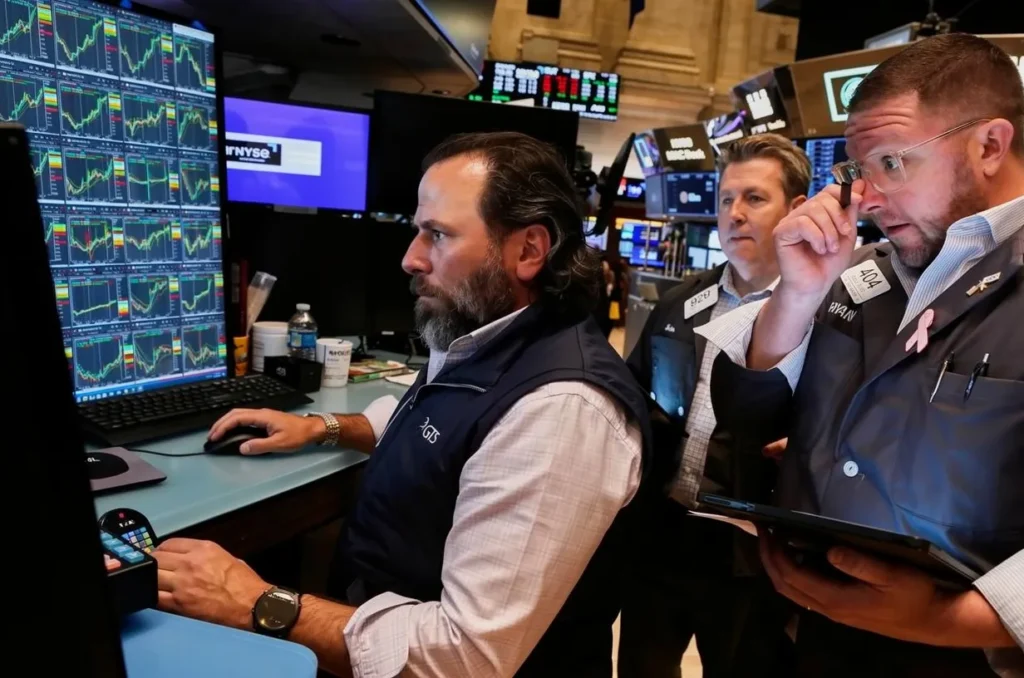
U.S. stocks started the week on a softer note as investors tried to judge whether a reported new proposal from Iran could meaningfully reduce the market’s biggest geopolitical risk.
The Dow Jones Industrial Average fell about 0.2%, while the S&P 500 hovered just below flat and the Nasdaq Composite slipped 0.2%. The move came after both the S&P 500 and Nasdaq ended last week at record highs, which meant the bar for more upside was already fairly high.
The market’s problem is straightforward: even if Iran is signaling some willingness to reopen the Strait of Hormuz, the broader diplomatic path still looks uncertain, especially with the nuclear file apparently being pushed to the side for now.
Hormuz remains the market’s most important pressure point
The proposed reopening matters because Hormuz is still the single most important energy chokepoint in this story.
According to the source, traffic through the strait remained near zero on Monday morning, which tells you the market is still dealing with a real-world supply problem, not just a headline risk. That is also why oil stayed firm:
- Brent crude held above $100 a barrel
- WTI crude moved above $96
That matters because every extra day of disruption keeps pressure on shipping, fuel costs, and inflation expectations. Stocks can tolerate some uncertainty, but they have a harder time pushing confidently higher when oil remains this elevated.
Inflation fears are back in the room
The market has already shown that it does not need oil to explode higher to get nervous. It just needs oil to stay high enough long enough.
That is the real issue now. Restrictions on global supply flows through Hormuz do not just affect crude prices. They can ripple into a wide range of industries through higher input costs, transport costs, and fuel-sensitive pricing pressure.
That is why this week’s setup feels more delicate than the index levels alone suggest. The market may still be near highs, but the macro backdrop is becoming less comfortable.
Microsoft’s OpenAI shift added pressure to the tech side
Another notable drag came from Microsoft, after the company said its exclusive partnership with OpenAI was ending and that the revenue-sharing agreement between the two sides would also come to an end.
That matters because Microsoft’s relationship with OpenAI has been one of the defining strategic pillars of the AI trade. Any change there forces investors to rethink how much exclusivity, control, and monetization leverage Microsoft still has in one of the market’s most important growth stories.
The stock reaction showed that the market is still very sensitive to any change in AI platform relationships, especially at the mega-cap level.
This week is a real test for the Magnificent Seven
The timing makes the setup even more important.
This is a huge earnings week for mega-cap tech, with results due from:
- Microsoft
- Meta
- Alphabet
- Amazon
- Apple
That matters because the market is no longer just trading optimism around AI and scale. It needs confirmation in the numbers. If these companies deliver strong results and steady guidance, the indexes may be able to absorb the geopolitical noise. If they disappoint, the market may find itself exposed with oil high and rate-cut hopes already constrained.
This is one of those weeks where the market’s biggest stocks can do a lot of the heavy lifting — or a lot of the damage.
Alphabet and Nvidia suggest leadership is still broadening at the top
One constructive sign in the source is that record highs are still spreading among the biggest technology names.
Alphabet hit its first intraday record since February and is on pace for another strong close, while Amazon already got back to record territory and Nvidia is hovering near its own highs again.
That matters because the best rallies usually broaden, even inside leadership groups. If only one or two names are carrying the market, the move tends to be more fragile. If more of the Magnificent Seven start reclaiming highs, the rally looks healthier.
Still, the next question is the important one: can those old highs hold as support after earnings, or do they turn into failed breakouts?
The Fed meeting raises the stakes even more
Markets also have a Federal Reserve decision this week, with the two-day meeting starting Tuesday.
The Fed is widely expected to hold rates steady, which is not the surprising part. The more important issue is tone. Elevated oil prices and uncertainty around Iran complicate the inflation picture, which means the central bank has little reason to sound aggressively dovish even if growth concerns still exist in the background.
That matters because the market is already juggling:
- high oil
- record index levels
- major tech earnings
- and leadership uncertainty at the Fed
That is a lot for one week.
Jerome Powell’s final stretch is now part of the story
The policy meeting also comes with another layer of transition risk.
According to the source, this is expected to be among the last meetings chaired by Jerome Powell before leadership eventually shifts to Kevin Warsh, whose confirmation vote is approaching.
That matters because markets do not just watch rates. They watch who will be setting the tone on rates next. Any transition at the Fed becomes more important when inflation is still unsettled and the White House remains closely tied to the central bank story.
Micron stood out even as semis cooled off
The semiconductor trade, meanwhile, looked like it was finally taking a breather after a huge April run.
The broader group appeared ready to snap a long winning streak, but Micron stood out after getting a $700 price target from Melius Research and moving to another intraday high. That tells you the AI infrastructure trade is still alive, even if the group may need a pause after such a sharp move.
That matters because semis have been one of the market’s strongest engines. If they pause in an orderly way, that is normal. If they crack more sharply, it could become harder for the broader market to keep grinding higher.
WSA Take
Monday’s weakness was not dramatic, but it was the kind of tape that reminds you how much the market is carrying into this week. Hormuz is still disrupted, oil is still high, Microsoft’s OpenAI update created fresh AI-platform questions, and the market is now heading into a packed stretch of Mag 7 earnings and a Fed decision.
For investors, the big picture is simple: the market is still strong, but the cushion for disappointment is getting thinner. If diplomacy improves, oil cools, and big tech delivers, the rally can keep stretching. If not, this could turn into one of those weeks where several small pressure points suddenly matter all at once.
Explore More Stories in Markets
Disclaimer
WallStAccess is a financial media platform providing market commentary and analysis for informational and educational purposes only. This content does not constitute investment advice, a recommendation, or an offer to buy or sell any securities. Readers should conduct their own research or consult a licensed financial professional before making investment decisions.