Hot inflation data stopped the rally in its tracks
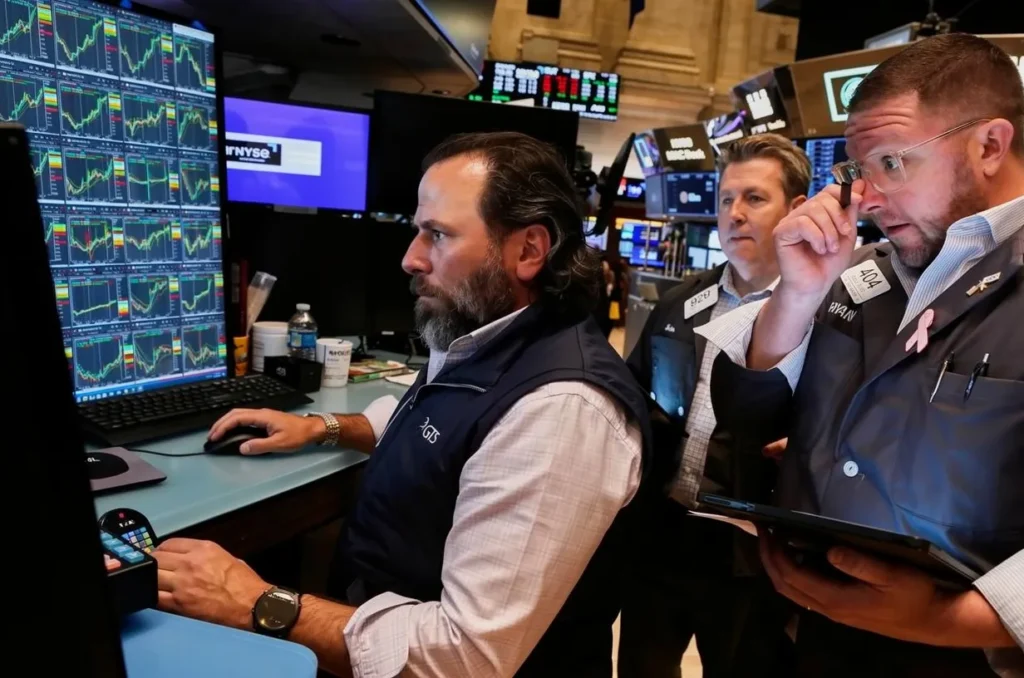
U.S. stocks pulled back on Tuesday as investors digested a stronger-than-expected April CPI report and started recalculating what that means for inflation, rates, and the broader market.
The Nasdaq led the decline, falling about 1.2%, while the S&P 500 lost 0.7% and the Dow slipped 0.6%. The move came right after fresh record closes for the major indexes, which made the market more vulnerable to any data surprise that could pressure valuations.
That surprise came from inflation.
CPI showed the energy shock is still feeding through the economy
The latest Consumer Price Index reading showed that inflation remains more stubborn than investors wanted to see. Headline CPI rose 3.8% year over year, slightly above expectations and the biggest increase since May 2023, while core inflation also ran hotter than expected.
That matters because the market is trying to figure out how much of the Hormuz-related energy shock is now spilling into the broader economy. Higher fuel and transport costs do not stay isolated for long. They tend to push into food, logistics, consumer goods, and services over time.
That is why this report hit sentiment so quickly. It suggested the inflation problem is not cooling fast enough.
Oil is making the Fed’s job harder again
The inflation print would have been difficult enough on its own. The bigger problem is that oil prices are also climbing again.
WTI moved above $101 a barrel, while Brent climbed past $107, as investors continued to price in supply risk tied to the U.S.-Iran standoff and the stalled path toward a broader peace agreement.
That creates a more dangerous setup for markets:
- hotter CPI
- rising oil
- resilient labor data
- and a Fed with less room to sound comfortable
That mix is not friendly for stocks, especially the higher-multiple parts of the market.
The market is starting to reopen the rate hike conversation
One of the biggest consequences of the CPI report is that it pushes the market a little further away from the idea of easy policy.
The near-term expectation still looks like a Fed hold, but the bigger shift is that investors are beginning to take the possibility of another rate hike more seriously later this year. That is a meaningful change in tone. Only recently, the dominant question was how soon cuts might come. Now the question is whether inflation stays sticky enough to keep the next move uncertain — or even push it in the opposite direction.
That is why the market reacted the way it did. Stocks are not just trading the CPI print. They are trading what it does to the entire rate outlook.
Friday’s strong jobs report now matters even more
The inflation data also lands right after a stronger-than-expected April jobs report, which means the Fed is now looking at an economy that still appears firm enough to tolerate tighter conditions.
That matters because softer labor data might have helped offset some of the inflation concern. Instead, the market now has to deal with a labor backdrop that still looks relatively resilient. That makes it harder to argue the Fed should rush toward cuts just because growth is slowing.
In other words, the market got the wrong combination:
- growth not weak enough to force easier policy
- inflation still too hot for comfort
That is a much tougher mix for equities.
Tech felt the pressure first
The Nasdaq led losses for a reason.
Technology stocks tend to be more sensitive when the rate backdrop worsens, especially after a strong run. Higher yields and a less friendly Fed outlook put more pressure on long-duration growth names, which helps explain why tech sold off harder than the broader market.
This does not mean the AI or mega-cap trade is suddenly broken. It does mean the market is becoming more vulnerable to macro data that challenges the idea that inflation is on a clear path lower.
Geopolitics are still in the background — and still making things worse
The inflation story cannot be separated from geopolitics right now.
President Trump said the U.S.-Iran ceasefire is on “massive life support,” which is not the kind of language markets want to hear when oil is already rising and the Strait of Hormuz remains central to the global energy story.
That matters because investors are not just watching inflation in a vacuum. They are watching inflation that is being fed by an unresolved geopolitical conflict. That means the next move in oil could still push the market around more than the next move in most sectors.
Trump’s China trip adds another layer of market sensitivity
Tuesday also brings another major macro event: Trump’s trip to China and his meeting with Xi Jinping.
Trade and AI are expected to be central themes, which means markets are also dealing with another high-stakes geopolitical and policy event at the same time they are reassessing inflation and rate risk.
That does not appear to be the main driver of Tuesday’s selloff, but it adds another source of uncertainty into a market that is already repricing quickly.
WSA Take
Tuesday’s move was the market finally showing some respect for a tougher macro setup. Hot CPI, higher oil, and a ceasefire that looks increasingly unstable are not a great combination when stocks are already near highs.
The biggest takeaway is that the market can no longer comfortably assume inflation is drifting lower fast enough to keep the Fed boxed into cuts. As long as oil stays elevated and price pressures keep showing up in the data, investors may have to get used to a market that is much more sensitive to every inflation print.
Explore More Stories in Markets
Disclaimer
WallStAccess is a financial media platform providing market commentary and analysis for informational and educational purposes only. This content does not constitute investment advice, a recommendation, or an offer to buy or sell any securities. Readers should conduct their own research or consult a licensed financial professional before making investment decisions.