Oil finally got the headline it was waiting for
Oil sold off hard on Wednesday after the market got two things it had been desperate to see: stronger language from Trump on a possible Iran deal, and visible signs that tanker traffic may be starting to move again through the Strait of Hormuz.
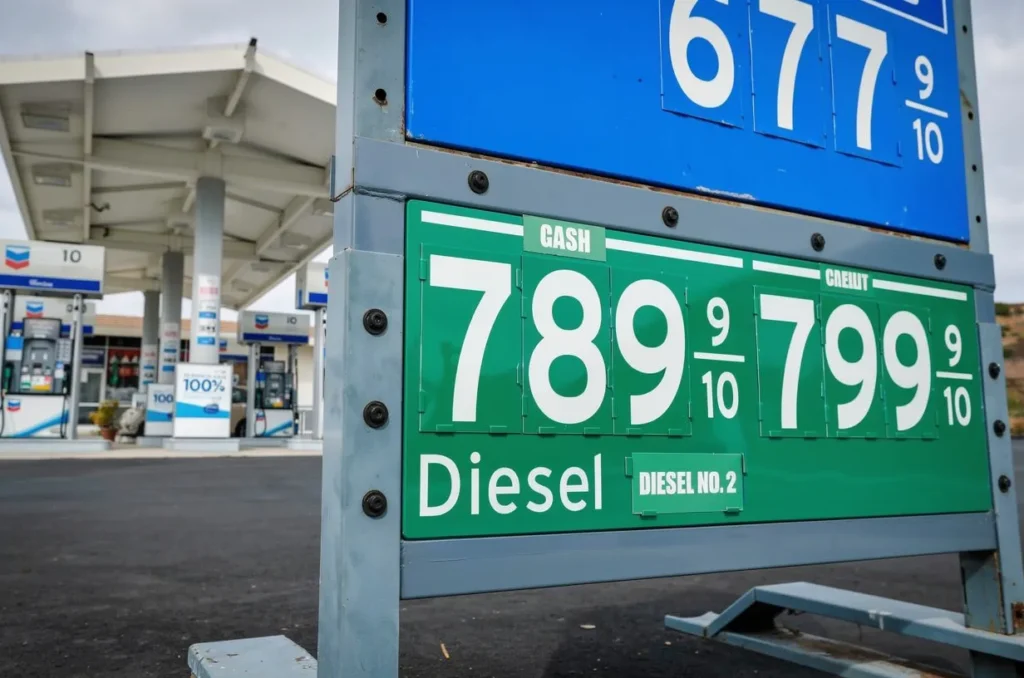
That combination was enough to trigger the sharpest one-day drop in crude prices in more than a month. Brent fell to just above $106 a barrel, while WTI slipped back below $100.
The move makes sense. This market had built in a hefty geopolitical premium around the risk of prolonged disruption in Hormuz. Once traders saw a potential diplomatic off-ramp and some evidence of physical movement through the strait, that premium started coming out fast.
Trump moved the market with one phrase
The single most important catalyst was Trump saying the US is in the “final stages” of reaching a deal with Iran.
That matters because the market is no longer trading on vague hopes alone. It is reacting to the possibility that Washington may actually be stepping back from a new military escalation and giving diplomacy one more serious push. Trump also made clear he had canceled military action that had reportedly been planned for the previous day.
That shift in tone was enough to change the market’s posture.
The crude market has been extremely sensitive to every signal around the conflict. A direct message that the White House may be close to a deal immediately pushes traders toward a lower-risk pricing scenario.
Tanker traffic added real-world confirmation
The other reason oil fell is that the diplomacy story was reinforced by something physical.
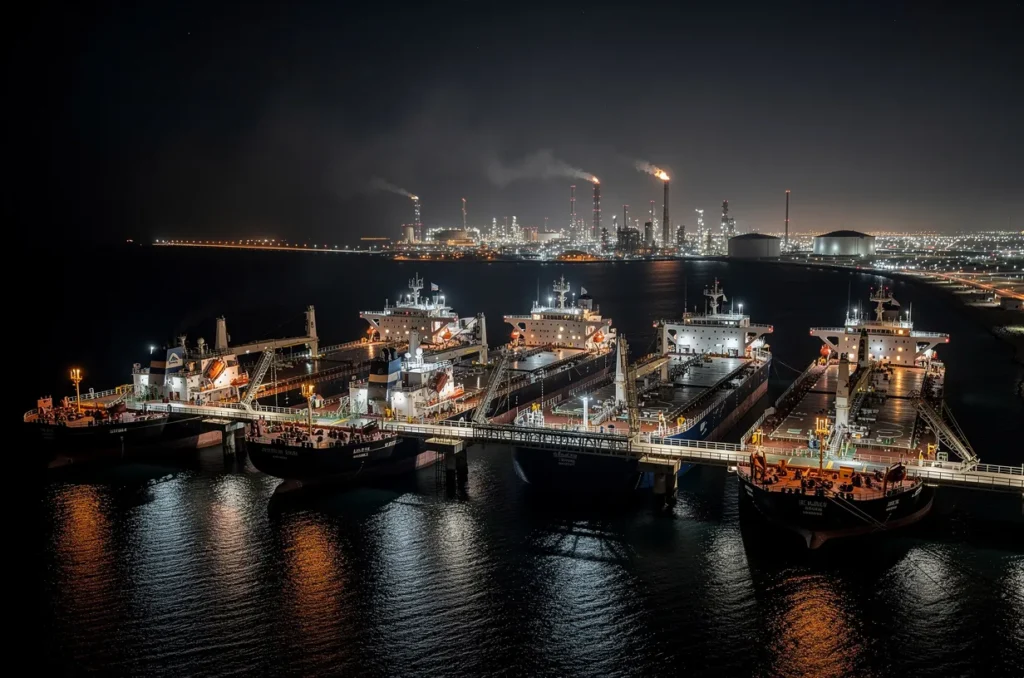
Several tankers appeared to move through the Strait of Hormuz, including a South Korean supertanker carrying Kuwaiti crude and two Chinese supertankers ahead of it. If confirmed, that would mark one of the highest-volume days for oil movement through the strait since the war began.
That is important because markets trust actual barrel movement more than political talking points.
For weeks, Hormuz has been the market’s main pain point. Any evidence that ships can cross again, even in limited fashion, changes how traders think about the severity and duration of the disruption.
This does not mean Hormuz is back to normal
Still, the market should not overread the move.
The reported tanker crossings appear to have followed a route designated by Tehran, which suggests the strait is not operating freely in a normal commercial sense. It appears to be functioning under a more controlled system where passage may depend on Iranian approval, route discipline, and political acceptability.
That is a very different situation from a fully reopened chokepoint.
So while Wednesday’s move was clearly bullish for supply expectations in the near term, it does not mean the Hormuz crisis is over. It means the operating pattern may be shifting from near-total disruption to selective passage.
That is better than a full freeze. It is not the same thing as resolution.
The market is now repricing duration, not just direction
This is the key difference.
Before Wednesday, the crude market had to think about a scenario where the disruption drags on with very little movement. After Trump’s comments and the tanker crossings, traders can start pricing a shorter disruption window, or at least a less severe one.
That matters because oil is highly sensitive not just to whether a conflict exists, but to how long the supply damage is expected to last. If the market starts believing that flows can resume in a more stable way, even under imperfect conditions, the premium in crude prices comes down quickly.
That is exactly what Wednesday looked like.
Iran is still threatening escalation
None of this removes the risk.
Iranian officials warned again that renewed US military action would trigger wider retaliation. That means the situation is still unstable, and the market knows it. The drop in oil is not a sign that traders think the conflict is solved. It is a sign that the worst-case scenario got a little less likely for now.
That distinction matters for investors.
The market has moved from pricing imminent escalation toward pricing conditional de-escalation. Those are very different setups, but one bad headline could still reverse the move quickly.
WSA Take
Wednesday’s oil selloff was logical. The market got a meaningful diplomatic signal from Trump and a visible sign that some crude traffic is returning through Hormuz. That is enough to take some of the fear premium out of the barrel.
But this is not a clean reopening story. The tanker movement appears controlled, politically filtered, and far from normal. So the better read is that the market is pricing reduced disruption, not full resolution.
That is a meaningful improvement. It is not the end of the story.
Explore More Stories in Commodities
Disclaimer
WallStAccess is a financial media platform providing market commentary and analysis for informational and educational purposes only. This content does not constitute investment advice, a recommendation, or an offer to buy or sell any securities. Readers should conduct their own research or consult a licensed financial professional before making investment decisions.