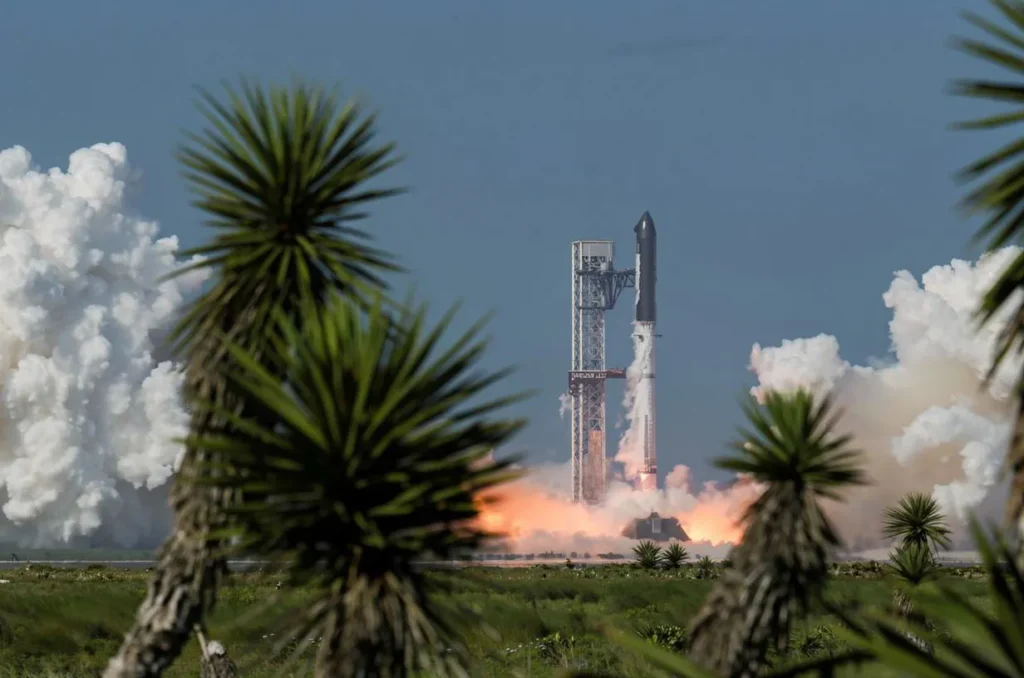
SpaceX is spending like an AI infrastructure company
SpaceX’s first quarterly report as a public company showed how quickly the market’s view of the business is changing.
The company came public with a rocket and space reputation. Its filings, however, pointed investors toward a much larger AI infrastructure story. The first earnings report confirmed that shift.
SpaceX’s AI revenue more than tripled from the first quarter to $2.6 billion. The segment also swung to $1.1 billion in adjusted EBITDA, compared with a $609 million loss in the prior quarter.
The problem was the bill attached to that growth.
SpaceX spent $15.8 billion on AI infrastructure during the quarter, up from $7.7 billion in the first quarter and just $749 million a year earlier. AI accounted for more than 86% of total capital spending.
The stock fell after the market saw the capex number
SpaceX shares dropped 10% in early trading Wednesday, putting the stock on pace for its second-worst daily return since its June IPO.
The decline came one session after the stock rose more than 9% for its best day since going public. That rally followed a recent all-time low near $105.
The earnings report gave both sides of the story: fast AI growth and an aggressive capital buildout. The market focused first on the spending.
Adjusted EBITDA showed the AI business covering its immediate costs. Standard accounting told a different story. SpaceX’s AI segment still posted a $1.3 billion operating loss.
Colossus II is driving the infrastructure buildout
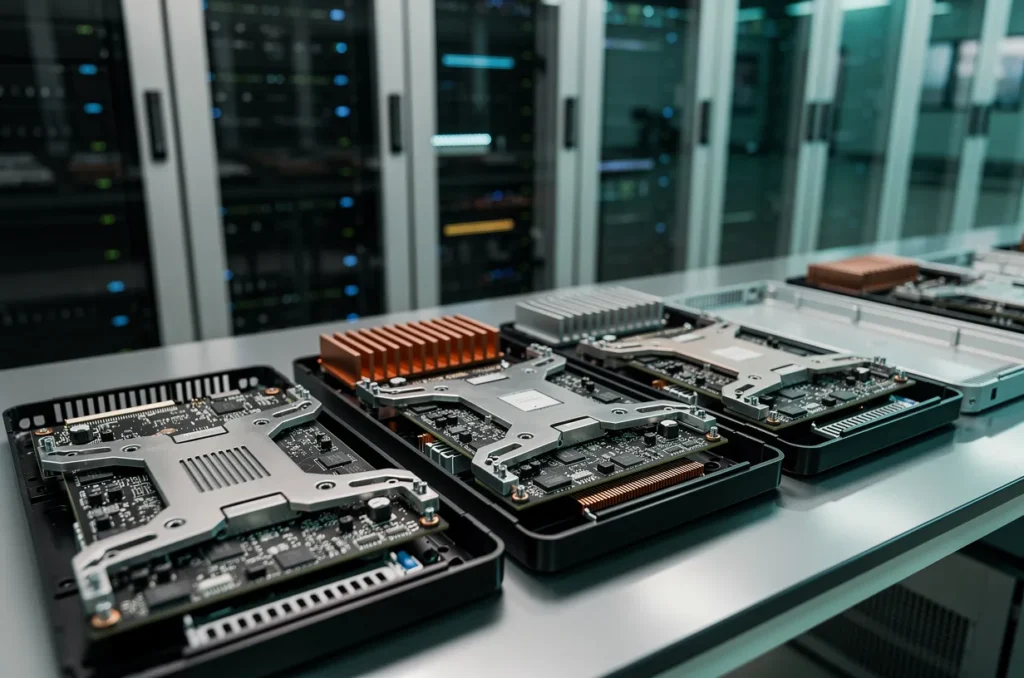
Most of the AI spending went toward expanding compute capacity, including continued work on SpaceX’s Colossus II data center.
The company ended June with 1.4 gigawatts of capacity, up from 1 gigawatt three months earlier.
That is the scale behind the numbers. SpaceX is not treating AI as an adjacent software product. It is building physical infrastructure at a pace closer to the largest cloud and data-center operators.
The question is no longer whether SpaceX is entering AI. It already has. The question is how much capital the company must keep spending to compete.
New cloud contracts are starting to fill the capacity
SpaceX signed several cloud services agreements representing $14.1 billion in contracted sales.
Those deals generated $1.6 billion in incremental AI infrastructure revenue during the quarter, helping push total company revenue to $7.8 billion, up 92% from a year ago and above Wall Street estimates.
Companywide adjusted EBITDA reached $3.5 billion, nearly triple the prior-year level.
The revenue growth is real. The capital intensity is real too.
Cash flow shows the pressure more clearly
The first-half cash numbers explain why the stock reacted poorly.
SpaceX generated $3.5 billion in cash from operations during the first six months of the year. Over the same period, it spent $28.5 billion on capital projects, including $23.6 billion on AI.
That gap is huge, even for a company with major resources.
SpaceX has room to keep building. Its June IPO raised nearly $86 billion, and the company ended the quarter with roughly $100 billion in cash, equivalents and marketable securities.
Still, the first report made one thing clear: becoming an AI infrastructure company is expensive, even for SpaceX.
SpaceX’s AI story is growing faster than the rocket story
SpaceX is still a space company. But the market is now being asked to value it as something broader: rockets, satellites, cloud infrastructure and AI compute.
That creates a different kind of stock.
The company can show rapid revenue growth and still get punished if capital spending rises too quickly. It can post adjusted profits while still reporting operating losses in the AI segment. It can sign large cloud contracts and still face questions about whether the buildout will generate enough return.
SpaceX’s first earnings report gave investors a clear look at the new business mix. AI is already growing fast. It is also consuming most of the company’s capital.
Disclaimer
WallStAccess is a financial media platform providing market commentary and analysis for informational and educational purposes only. This content does not constitute investment advice, a recommendation, or an offer to buy or sell any securities. Readers should conduct their own research or consult a licensed financial professional before making investment decisions.