Tariffs are moving back into the market conversation
The US administration is adding 25% duties on Brazil, opening a renewed tariff rollout that could expand across dozens of countries within weeks.
The official notice was released Wednesday night, with the Brazil tariffs scheduled to take effect on July 22. The move follows a Section 301 investigation under the Trade Act of 1974 and comes after a tense stretch in US-Brazil trade relations.
The headline rate is high, but the structure is more selective than a blanket tariff. The order includes major exceptions for goods where higher duties could tighten domestic supply or create broader economic disruption.
That balance matters. Washington is trying to apply trade pressure while avoiding immediate price shocks in categories where the US still relies on Brazilian supply.
The carve-outs show where supply risk matters
The exception list reportedly runs close to 100 pages and includes several major products that would be difficult to replace quickly in the US market. Those carve-outs soften the near-term impact of the tariff package, especially in areas tied to food, energy and consumer prices.
Some of the major excluded categories include:
- Oil and gas
- Beef
- Coffee
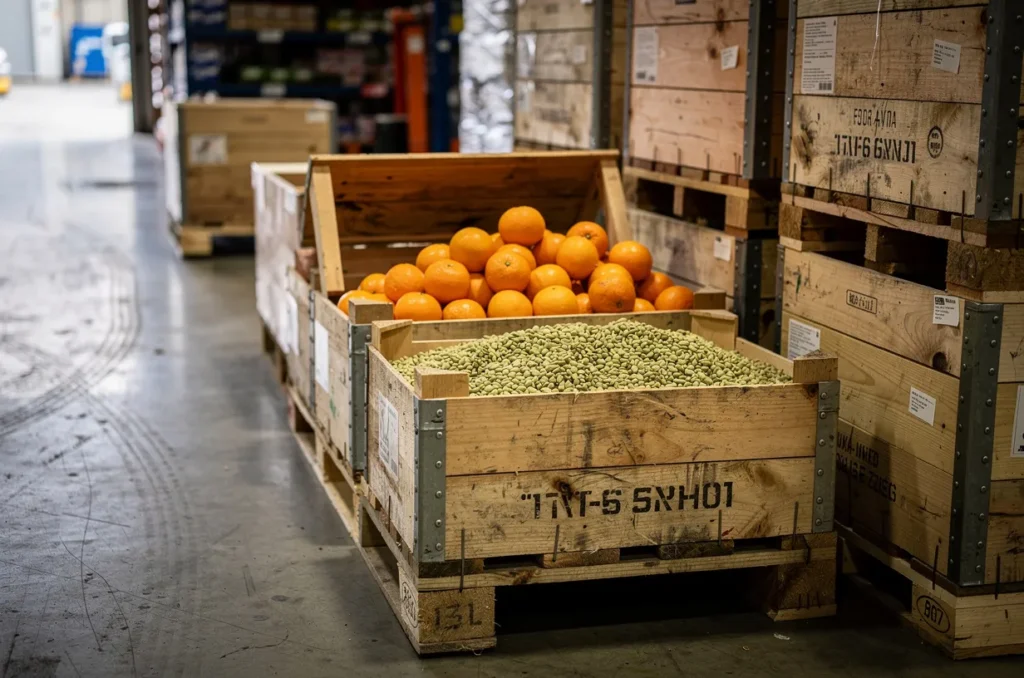
- Oranges
The carve-outs show the limits of tariff policy. A government can announce broad duties, but supply chains determine where those duties are actually practical. If tariffs risk making essential goods unavailable or materially more expensive, exemptions become necessary.
That is why the Brazil move is important beyond the headline. It shows how future tariff packages may be designed: aggressive on paper, but highly selective once supply dependency becomes clear.
Brazil dispute comes after a tense trade stretch
US Trade Representative Jamieson Greer said the Brazil investigation covered several issues, including digital trade and market access for US businesses.
The trade dispute also carries a political backdrop. US officials have criticized Brazil’s current government and said the country has not negotiated in good faith. Brazilian President Luiz Inácio Lula da Silva called the tariffs a “lamentable milestone” and noted that the US has a trade surplus with Brazil.
That exchange highlights how quickly trade policy can move beyond standard economic disputes. Tariffs are increasingly being used as tools of leverage across market access, digital rules, labour standards, supply chains and geopolitical alignment.
For companies exposed to cross-border trade, that makes planning more difficult. The risk is not only higher costs. It is the speed at which tariff exposure can change.
A broader global tariff rollout is expected
The Brazil tariff package may be only the first step.
A parallel Section 301 investigation moved into a public comment period on June 2. That investigation argues that dozens of countries failed to counteract goods made with forced labour, which the US says burdens or restricts American commerce.
The expected structure is broad:
- A 10% tariff on the European Union and 14 other countries, including Canada.
- A 12.5% tariff on another 45 countries, including China.
- Potential additional tariffs from other ongoing Section 301 investigations.
The European Union has already called the move unjustified, setting up another potential round of trade friction.
The broader rollout matters because it could reach far beyond one bilateral dispute. If more than 80 countries are covered, the issue becomes a global cost and supply-chain question rather than a Brazil-specific trade story.
Importers are facing a less predictable cost structure
The larger risk is uncertainty.
Businesses that import goods need to know whether products will be taxed, exempted or pulled into a later tariff order. The Brazil notice shows that exemptions can be extensive, but also highly specific. That makes it harder for companies to plan procurement, pricing and inventory decisions.
Tariffs can affect several layers of the economy at once, including:
- Retail goods and consumer products.
- Industrial parts and machinery.
- Agricultural imports.
- Energy-linked products.
- Inputs used by manufacturers.
Even when final products are exempted, costs can still rise if parts, materials, logistics or intermediate goods are affected. That is why tariff policy can ripple through margins before it shows up clearly in headline inflation data.
The practical result is that companies may begin shifting suppliers, holding more inventory or renegotiating contracts before the full tariff regime is even finalized.
The policy shift follows a legal reset
This week’s announcement also marks part of a longer effort to replace the 2025 tariff regime that was struck down by the US Supreme Court in February.
That legal setback triggered major refunds, including nearly $50 billion paid by the US government to businesses in June alone. The administration has since been looking for more durable trade authorities to support a permanent tariff framework.
A temporary 10% global tariff was imposed in February under Section 122 of the Trade Act of 1974, but that authority is expected to expire this summer. Section 301 now appears to be one of the main tools being used to rebuild the tariff system.
That makes Brazil a test case. If the administration can use Section 301 to impose and defend new country-specific duties, the same framework could support a much wider global rollout.
Markets will watch exemptions as closely as rates
The next phase will likely come down to details.
Headline tariff rates will get attention, but the carve-outs may matter just as much. A 25% duty with major exemptions can have a very different market impact than a 25% duty applied broadly across essential imports.
That is why the Brazil order is useful as a template. It suggests the administration wants a tougher tariff regime, but also recognizes that certain imported goods are too important to disrupt without risking price increases or supply shortages.
If the global rollout follows the same pattern, markets will focus on three questions: which countries are targeted, which categories are exempted, and whether the duties are large enough to change corporate sourcing decisions.
WSA Take
The Brazil tariffs show that trade policy is becoming a larger market variable again. The 25% rate is significant, but the long exemption list shows the real constraint: tariffs are easy to announce, but harder to apply when domestic supply depends on imported goods. The broader global rollout could matter more than Brazil itself if it changes sourcing costs, pricing decisions and supply-chain planning across major trading partners.
Explore More Stories in Markets
Disclaimer
WallStAccess is a financial media platform providing market commentary and analysis for informational and educational purposes only. This content does not constitute investment advice, a recommendation, or an offer to buy or sell any securities. Readers should conduct their own research or consult a licensed financial professional before making investment decisions.