The idea sounds exciting. The deal structure could be much less appealing.
A merger between Tesla and SpaceX would be easy to sell at the headline level.
Two of Elon Musk’s most recognizable companies. One giant platform spanning Earth, orbit, AI infrastructure, robotics, and transport. A story big enough to dominate the market for weeks.
That is exactly why Tesla shareholders should be careful.
The issue is not whether SpaceX is valuable. The issue is how a merger would be structured, who would control the process, and whether Tesla investors would be getting a fair deal in a transaction where Musk would hold enormous influence on both sides.
This would not be a normal merger negotiation
That is the first real problem.
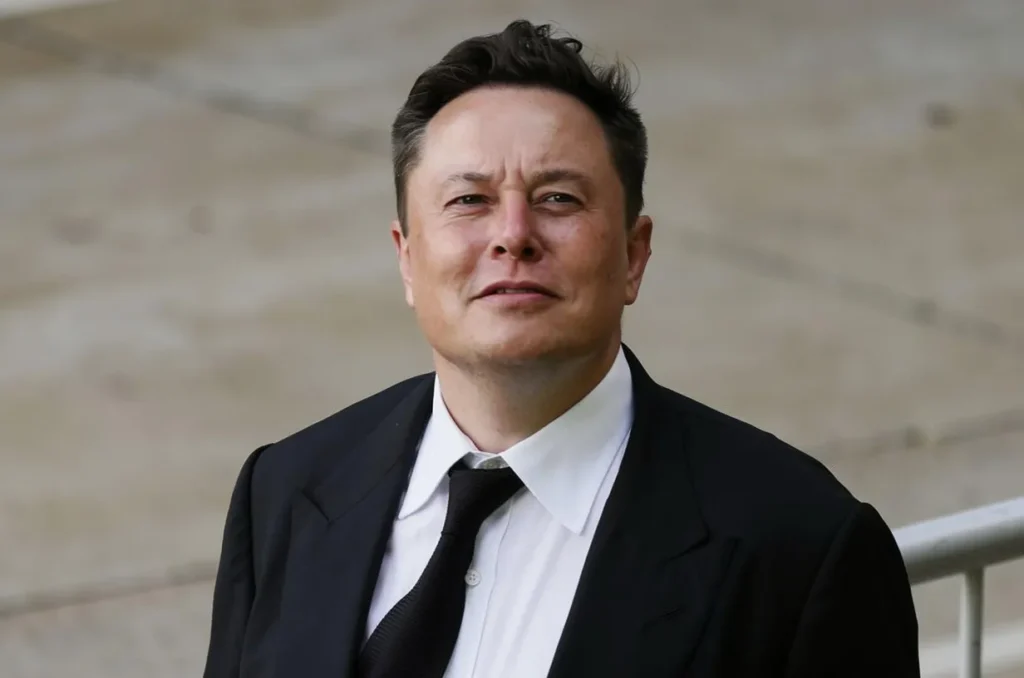
Musk already exercises overwhelming control over SpaceX through a special share structure. At the same time, he remains Tesla’s largest and most influential shareholder, even if he does not hold outright voting control there. In practical terms, a merger would involve Musk negotiating with Musk.
That should matter a lot to Tesla investors.
When one person has that much influence over both parties, the risk is obvious: the transaction can be framed as strategic even if the economics lean heavily in favor of the side he controls more tightly. In this case, that side is clearly SpaceX.
Tesla shareholders may end up paying for the privilege of joining SpaceX
The bullish pitch to Tesla investors would be simple: you get exposure to SpaceX.
That sounds attractive because SpaceX is one of the most coveted private companies in the world. It has a powerful narrative, strong growth, and a premium market aura that Tesla no longer consistently enjoys. If SpaceX stock is the acquisition currency, many Tesla shareholders may initially view that as a gift.
But that is where dilution becomes a serious issue.
A stock deal would almost certainly mean Tesla shareholders exchange their current stake for a smaller slice of a much larger Musk-controlled entity. The question would not just be whether they get SpaceX exposure. It would be how much of that exposure they get, and at what valuation.
That is where things can go wrong fast.
A premium valuation for SpaceX could make Tesla holders the weaker side of the trade
This is the core economic risk.
If SpaceX is valued at a premium multiple and Tesla is valued more conservatively because of slowing EV growth and weaker operating momentum, then Tesla holders could be folded into the combined company on terms that look exciting on paper but are less favorable in practice.
In other words, Tesla investors might not be buying into strength. They might be exchanging a direct stake in Tesla for a diluted position in a Musk empire where their influence becomes even smaller.
That is not automatically value creation. It can just as easily become value transfer.
Musk’s history does not inspire much confidence here
That is the second major issue.
Musk has a track record of combining companies he controls or influences in ways that raise serious governance questions. Critics still point to the SolarCity deal as an example of Tesla being used to absorb a weaker Musk-linked asset. More recently, the chain of transactions involving X, xAI, and now SpaceX has only reinforced the perception that Musk is comfortable moving assets around his ecosystem in ways that benefit control, narrative, and financing flexibility.
That does not mean every transaction is inherently bad.
It does mean Tesla shareholders would be justified in asking a tougher question than usual: is this deal being done because it is best for Tesla, or because it is best for Musk’s broader structure?
Governance could get worse, not better
This is where the merger becomes even more dangerous for minority shareholders.
SpaceX’s governance framework is much more favorable to Musk than Tesla’s public-market structure. If Tesla were folded into SpaceX, investors could lose what little leverage they still have through shareholder votes, litigation, and public-market pressure.
A merged structure could mean more of this:
- greater Musk control
- fewer effective checks from minority holders
- more related-party risk across the broader corporate ecosystem
For Musk, that would be a feature. For Tesla shareholders, it could be a major downgrade.
The market story would sound bigger. Shareholder protections could shrink.
That is the part many investors may miss.
The strategic language around a merger would probably focus on synergies: AI, robotics, chips, compute, data centers, autonomy, energy systems, and orbital infrastructure. Some of those links are real. Some of them may even prove commercially useful over time.
Still, synergies do not automatically equal fairness.
A bigger story can easily obscure weaker protections, higher complexity, and less accountability. Tesla shareholders could end up with a more complicated business, a more centralized control structure, and fewer ways to push back if something goes wrong.
There is one real upside argument — but it comes with a cost
To be fair, there is a legitimate bullish case.
Some Tesla investors may prefer a merger simply because it would put Musk’s attention under one roof. Instead of splitting his time between Tesla, SpaceX, xAI, X, and everything else, the argument goes, a consolidated structure could reduce distraction and better align technology development across the group.
That is not a ridiculous idea.
Still, the price of that alignment may be steep. If the tradeoff is deeper dilution, weaker governance, and a more controlled entity where minority shareholders matter even less, then the benefit of “a more focused Musk” may not be worth what Tesla holders give up to get it.
This is really a control story disguised as a synergy story
That may be the cleanest way to look at it.
A merger could be marketed as a transformational industrial combination. In reality, it would likely also function as a way to consolidate Musk’s grip over Tesla, reduce friction from shareholder oversight, and move one of his most visible public companies into a structure where he has far more power.
That may be good for Musk.
It is not obviously good for Tesla shareholders.
WSA Take
A SpaceX-Tesla merger would create a spectacular narrative, and that is exactly why investors should look past the narrative first.
SpaceX is a great asset. That does not mean Tesla shareholders would get a great deal. In a transaction like this, the main risks are not hard to find: dilution, control imbalance, weaker governance, and the possibility that Musk uses SpaceX’s premium status to pull Tesla into a structure that gives ordinary shareholders less influence and less protection.
That is the real issue. Tesla investors would not just be buying into SpaceX. They would be buying into a version of the Musk empire where their voice matters even less than it does today.
Explore More Stories in Markets
Disclaimer
WallStAccess is a financial media platform providing market commentary and analysis for informational and educational purposes only. This content does not constitute investment advice, a recommendation, or an offer to buy or sell any securities. Readers should conduct their own research or consult a licensed financial professional before making investment decisions.