Warsh is taking the job under very different conditions than when he was nominated
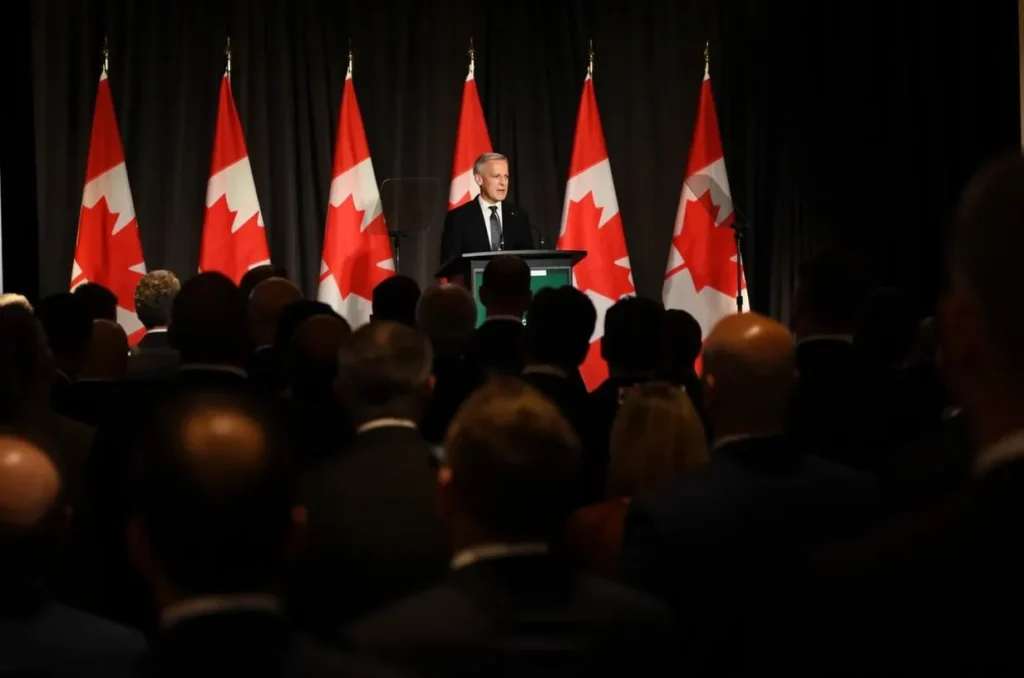
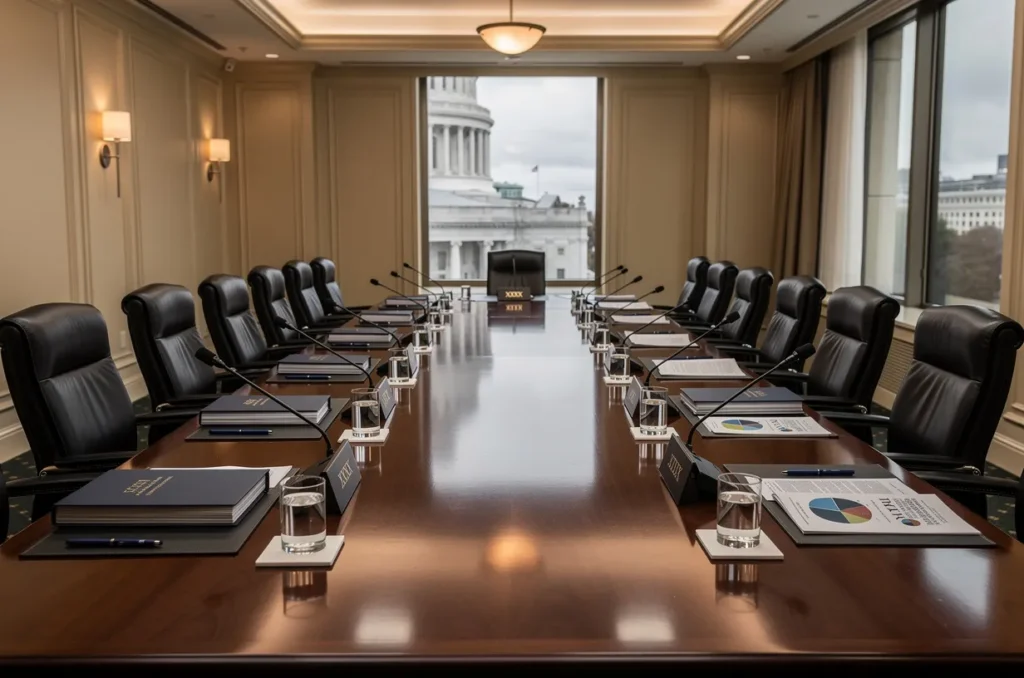
Kevin Warsh is set to be sworn in Friday as the next chair of the Federal Reserve, taking over at a moment when the policy backdrop looks much more difficult than it did when President Trump nominated him in January. Reuters reported that Warsh was confirmed on May 13 and will serve a four-year term as chair and a 14-year term as a governor, while Jerome Powell is staying on the Board of Governors.
That matters because Warsh was originally seen as a pick aligned with the White House’s desire for lower rates. But since then, the macro picture has changed sharply. Inflation has heated back up, oil has surged on the Iran conflict, and the market has moved away from the idea that easier policy is close.
Inflation is not giving the new chair much room
The immediate problem is obvious: inflation is still too high, and the latest data made the job look harder, not easier.
Reuters reported that producer prices rose 6.0% year over year in April, the biggest gain since late 2022, with pressure broadening across goods and services. Separate Reuters analysis last week also noted that consumer prices rose 3.8% in April, reinforcing the sense that inflation is no longer moving cleanly in the right direction.
That matters because Warsh is not walking into a disinflation victory lap. He is walking into a central bank that still has not brought inflation back to target after more than five years above 2%, and now has to deal with another commodity and energy shock layered on top.
The market is already leaning away from cuts
Investors have been adjusting quickly.
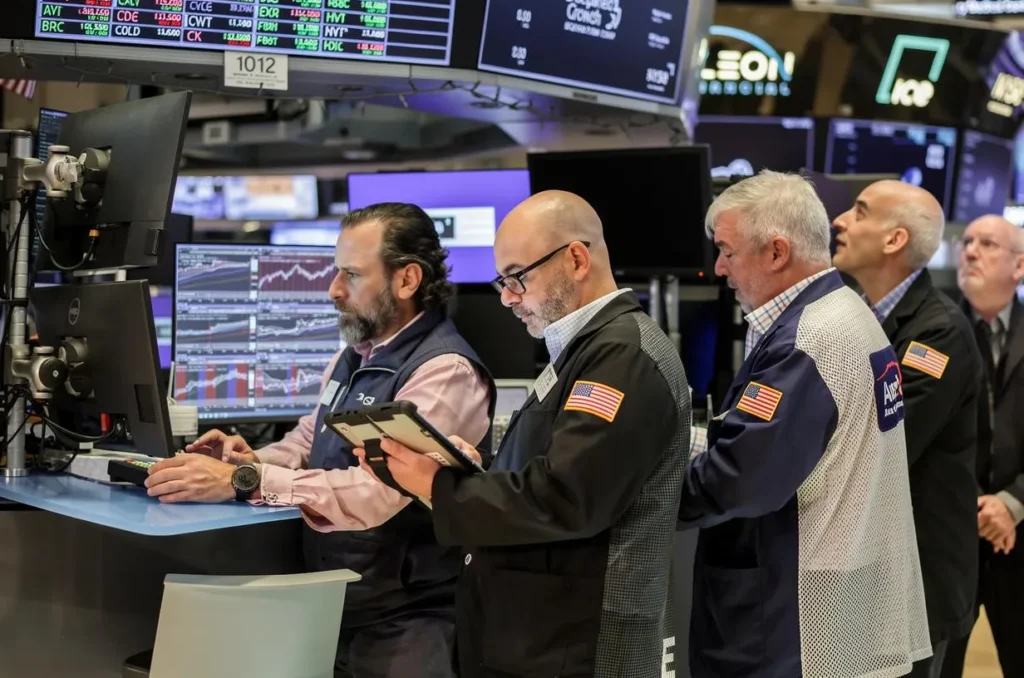
Reuters reported today that CME FedWatch now shows roughly a 58% chance of at least one 25-basis-point rate hike by year-end, while Nomura has scrapped its prior 2026 rate-cut forecast. Reuters also reported last week that markets had already begun pricing around a 60% chance of a hike by January.
That is a major shift. Before the Iran conflict intensified, the conversation was still centered more around eventual cuts. Now the debate is whether the Fed may need to stay tighter for longer, or even move in the other direction if inflation and energy pressures keep building.
Warsh’s own inflation framework is about to get tested
Warsh has previously sounded somewhat more relaxed than some current Fed officials about underlying inflation, favoring trimmed measures that strip out the biggest outliers rather than focusing too heavily on headline moves. Reuters Breakingviews noted last week that this preferred gauge also picked up in April, making it harder to argue the underlying trend is cooling fast enough.
That matters because whatever Warsh believed about AI-driven productivity, one-time tariff effects, or cleaner underlying inflation trends before the war, he now has to sell those ideas to a committee and a market staring at firmer prices, elevated oil, and a still-resilient economy. That is a much tougher pitch than it would have been a few months ago.
The credibility issue may matter as much as the rates issue
There is also a second challenge here that is just as important: perception.
Warsh is taking over after a long stretch of White House pressure on the Fed for lower rates, and Reuters reported that his nomination reflected Trump’s preference for easier policy and a smaller Fed balance sheet. Warsh has pledged to preserve the Fed’s autonomy, but the political backdrop means any early dovish move would immediately be scrutinized through that lens.
That is why this is not simply a rates story. It is also a credibility story. Warsh needs to convince markets not only that he has a coherent inflation framework, but that he is leading the Fed rather than executing a White House preference.
This is not the kind of handoff new Fed chairs usually want
In practical terms, Warsh is stepping in with three problems already on the table:
- inflation is still above target
- energy and commodity pressures remain live
- the bond market is increasingly uneasy
Reuters reported that Warsh takes over as other Fed officials are actively considering the possibility that rates may need to rise again. That is a rough inheritance for any incoming chair, especially one who was initially chosen in an environment where cuts looked more plausible.
WSA Take
Warsh is not arriving at the Fed with a blank slate. He is walking into a market that has already turned more hawkish, an inflation backdrop that has worsened, and a political environment that will make every policy signal more sensitive than usual.
The real test now is simple: can he establish credibility fast enough to calm the market without looking captive to the administration that put him there? That question may matter just as much as where rates go next.
Explore More Stories in Markets
Disclaimer
WallStAccess is a financial media platform providing market commentary and analysis for informational and educational purposes only. This content does not constitute investment advice, a recommendation, or an offer to buy or sell any securities. Readers should conduct their own research or consult a licensed financial professional before making investment decisions.