
Markets found a reason to buy after a shaky start to the week
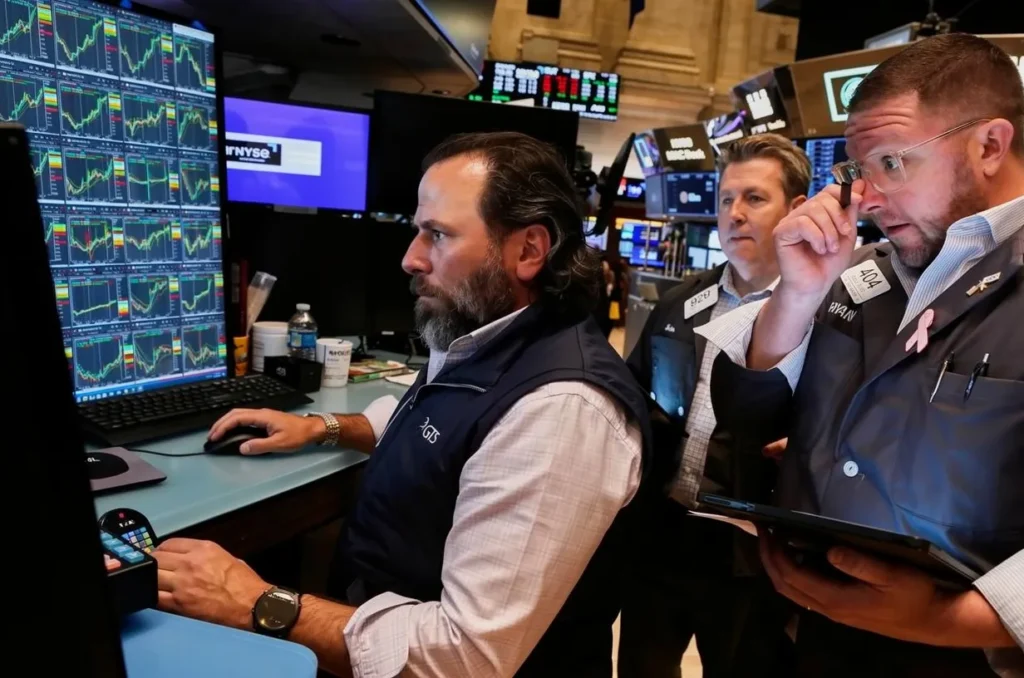
US stocks moved higher on Friday morning as investors focused on the possibility that the biggest inflation catalyst in the market right now — the Iran conflict and the disruption around Hormuz — could begin to ease.
The S&P 500 rose 0.5%, the Dow gained 0.6%, and the Nasdaq climbed 0.6%. That keeps the broader market on track for another strong week and shows how quickly sentiment can shift when oil-related pressure looks even slightly less threatening.
This is a notable turnaround from the start of the week, when inflation fears and rising rate concerns were back in control.
Iran headlines are still driving the macro tone
The market’s mood changed once investors saw more signs that Washington and Tehran may be moving toward some form of agreement.
Comments from Secretary of State Marco Rubio and signals from Iranian media helped support the idea that negotiations are still advancing, even if the hardest issues have not been resolved. That matters because the market does not need a signed deal immediately to rally. It just needs enough confidence that the odds of a prolonged energy shock are starting to fall.
That is why equities have responded positively since Wednesday. Investors are effectively pricing in the possibility that one of the biggest near-term inflation threats could begin to fade before it causes even more damage.
Tech kept doing the heavy lifting
The rebound also had a familiar leader: technology.
That matters because tech remains the market’s preferred place to hide when investors want growth exposure but do not want to take broad cyclical risk everywhere else. If the macro backdrop starts to calm, even modestly, tech usually benefits first.
This week’s move reinforces that pattern. The market is still rewarding companies with stronger earnings power, cleaner long-term growth narratives, and less direct exposure to the pressure households are feeling from higher fuel and living costs.
Consumers are still sending a very different message
That is what makes Friday’s rally a little more complicated than it looks on the surface.
The University of Michigan sentiment reading fell to a fresh record low in May, showing that households remain under heavy strain. Higher gasoline prices, more expensive essentials, and a worsening view of personal finances continue to weigh on confidence. Inflation expectations also moved higher again, both in the short term and over the longer run.
That matters because it shows the market and the consumer are not seeing the same economy right now.
Stocks are trading the hope that the worst of the oil shock may be temporary. Consumers are still living through the actual cost pressure.
Bond yields remain important, but not yet fatal
Another reason the market was able to bounce is that the bond market was not getting worse.
The 10-year yield moved down toward 4.5%, while the 30-year eased slightly but still remained above 5%. Those are still high levels, and they continue to matter for equity valuations. But for now, the market appears willing to tolerate them as long as yields are not accelerating sharply higher.
That is the key distinction.
Stocks do not need yields to collapse to rally. They just need yields to stop sending a stronger warning signal. Friday’s action suggested that, at least for the moment, rates were not the main problem.
Earnings still provide a strong base under the rally
One reason the market has held together better than many expected is that earnings have remained strong.
Strategists continue to point to robust first-quarter profit growth as one of the main supports underneath equities. As long as corporate results keep coming in solidly and margins remain healthy, stocks have a better chance of absorbing macro pressure from oil, inflation, and rates.
That is why the current bull case is still alive. It is not just about diplomacy or oil. It is also about the fact that corporate America has not cracked.
The real test is still ahead
Friday’s move is encouraging, but it does not settle the bigger debate.
The market still needs to see whether:
- Iran negotiations actually lead somewhere meaningful
- oil prices continue to come down
- consumer stress begins to ease
- and inflation expectations stop drifting higher
If those things happen, this rally has room to run. If not, the market may once again find itself leaning too hard on optimism while the real economy sends a more cautious message.
WSA Take
Friday’s strength makes sense. The market got the one thing it wanted most: a reason to believe the Iran-driven inflation threat may not spiral further. That was enough to lift stocks, support tech, and take some pressure off the broader risk backdrop.
But the consumer data is the reminder not to get carried away. Households are still feeling squeezed, and inflation expectations are still moving in the wrong direction. That means this rally can keep going, but it still needs follow-through from diplomacy and a cooler energy market to really hold.
Explore More Stories in Markets
Disclaimer
WallStAccess is a financial media platform providing market commentary and analysis for informational and educational purposes only. This content does not constitute investment advice, a recommendation, or an offer to buy or sell any securities. Readers should conduct their own research or consult a licensed financial professional before making investment decisions.