
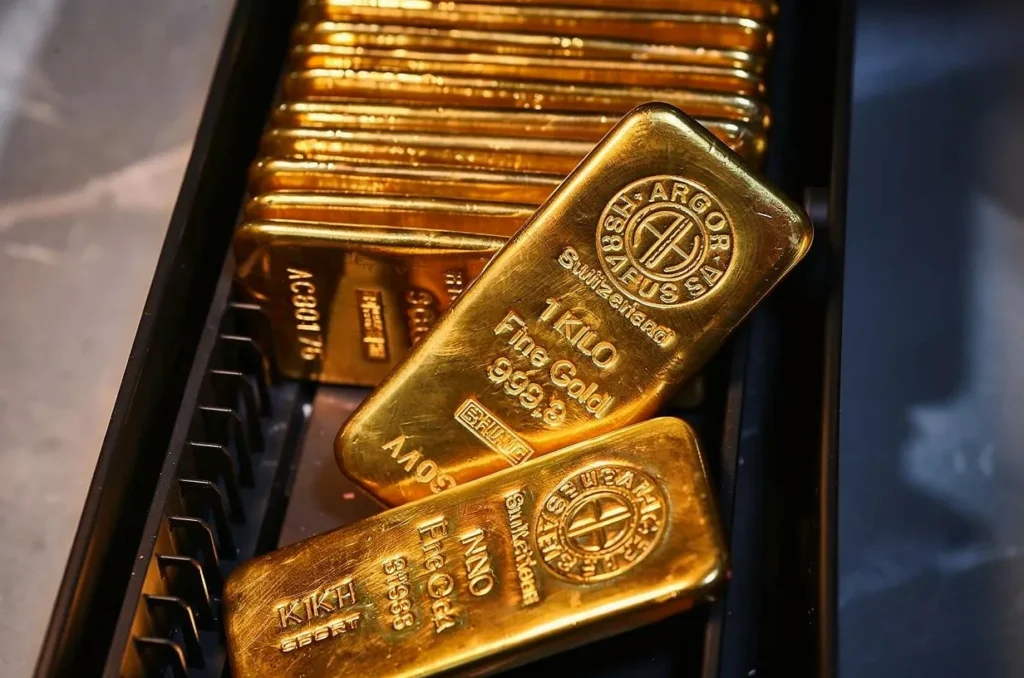
Gold is caught on the wrong side of the inflation trade
Gold slipped 0.4% to roughly $4,271 an ounce Thursday, while December futures fell to $4,306 as several of the metal’s biggest short-term headwinds arrived at once.
The dollar climbed to a two-month high and the 10-year Treasury yield remained near levels not seen in almost two decades. Both make non-yielding gold less attractive relative to assets that now offer substantial income.
Oil added another complication. Crude rose roughly 1% as negotiations between the U.S. and Iran showed little progress, keeping pressure on an already tight energy market.
Normally, renewed inflation risk can support gold. This time, higher energy prices are also giving the Fed another reason to keep monetary policy tight, and that is currently winning the tug-of-war.
Oil is feeding directly into the rates story
The Federal Reserve has already returned to rate hikes after persistent inflation and elevated energy costs interrupted the path toward easier policy.
Expensive oil and refined fuels can work their way through transportation, manufacturing and consumer prices. If those pressures remain elevated, the Fed has less room to lower rates and may have to remain restrictive for longer.
Gold then faces two pressures at once: higher Treasury yields increase the opportunity cost of holding bullion, while expectations for tighter U.S. policy tend to strengthen the dollar.
Gold can protect against inflation, but the path matters. Inflation accompanied by falling confidence and lower real rates can be extremely bullish. Inflation that pushes yields and the dollar higher can hurt first.
Other precious metals felt the same pressure Thursday:
- Silver: down 1.8% to $63.29
- Platinum: down 0.2% to $1,746.44
- Palladium: up 0.5% to $1,266.40
Gold, commodities and interest rates are moving quickly. See what our analysts are following next →
The next move may come down to how long rates stay high
Gold remains near historically elevated prices despite this week’s pullback, so a one-week low does not suddenly break the broader precious-metals story.
The pressure becomes more meaningful if the dollar keeps strengthening and Treasury yields remain elevated. Another sustained move higher in oil could make that environment even tougher by keeping inflation sticky and giving the Fed less freedom to pivot.
A reversal in either would improve the setup quickly. Softer energy prices, cooling inflation or falling yields would reduce one of the biggest costs currently attached to owning gold.
For now, gold is not fighting inflation. It is fighting the interest-rate response to inflation.
That distinction may decide whether this pullback stays brief or develops into something larger.
Explore More Stories in Commodities
Disclaimer
Wall Street Access is an independent financial publisher. Wall Street Access is not a financial advisor. No company mentioned has compensated Wall Street Access for the preparation, publication or distribution of this article. This content is provided for informational and educational purposes only and is not investment advice or a recommendation to buy, sell or hold any security. Investing involves risk, including the possible loss of principal.
Prices, market capitalizations, financial figures and other market data are based on information available as of the date and time of publication and may change without notice. Information is drawn from public sources believed to be reliable but is not guaranteed to be complete or accurate. Opinions and expectations expressed are our own and may change as new information becomes available.
Readers should conduct their own due diligence and contact a licensed financial professional before making any investment decision. Past performance does not guarantee future results. Any material ownership interest or conflict of interest, where applicable, will be disclosed separately.