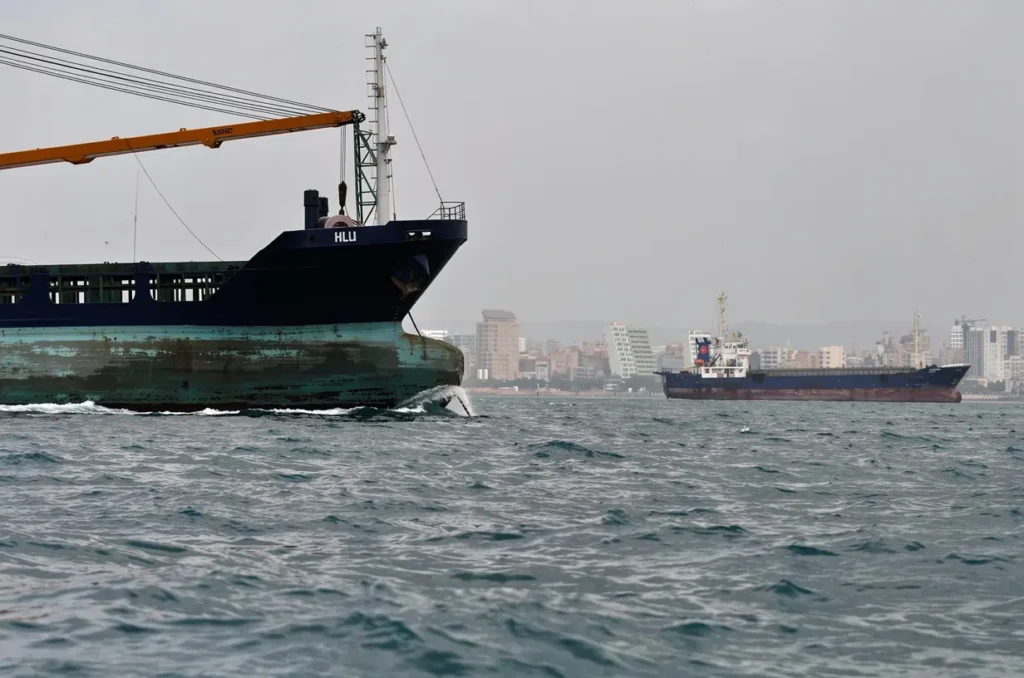
Oil’s margin for error is disappearing
Crude prices are back above a level markets have struggled to escape all year.
Brent moved above $100 a barrel Wednesday, while WTI traded near $90 as two very different supply threats appeared at the same time.
The first is familiar: the Strait of Hormuz.
Oil shipments through the region improved substantially during September, briefly giving markets hope that producers had learned to operate around the war. Yet security conditions are moving in the opposite direction. At least 12 attacks, attempted attacks or harassment incidents involving tankers were reported during the week ending October 5, the highest weekly total since the conflict began.
Several vessels have already been struck by projectiles, while another tanker was ordered to turn back after being threatened while entering the strait. Recent maritime warnings show how quickly conditions have deteriorated.
That creates an uncomfortable contradiction. More oil is getting through Hormuz, but the route carrying it may be becoming more dangerous.
A second threat is forming in the Gulf of Mexico
While traders watch the Middle East, Tropical Storm Isaias is moving through the Gulf of Mexico and is forecast to strengthen before reaching the U.S. Gulf Coast.
Chevron has already begun evacuating nonessential personnel from offshore platforms, although production was still operating normally as of Wednesday.
One storm is unlikely to reshape the global oil market on its own. Timing is what makes this one more important.
Global inventories have already been drawn down by months of disruptions. Refining capacity is tight. Diesel markets remain strained. Tanker traffic through one of the world’s most important energy corridors is facing repeated attacks.
Now another potential disruption is approaching infrastructure along the U.S. Gulf Coast, home to a huge concentration of American offshore production, refining and fuel exports.
Oil above $100 is increasingly reflecting the lack of spare room in the system, not just one headline from the Middle East.
Hormuz still matters more than almost anything else
Even after months of war, the Strait of Hormuz remains extraordinarily difficult to replace.
Roughly 20% of global petroleum liquids consumption historically moves through the strait. Saudi Arabia and the UAE have pipelines capable of bypassing part of that flow, but those alternatives can only handle a fraction of normal volumes.
September showed that exporters can improvise. Tankers increased shipments, alternative routes carried more barrels and Gulf exports briefly returned above prewar levels.
October is testing how sustainable that recovery really is.
Repeated attacks raise insurance costs, complicate scheduling and increase the chance that shipowners become less willing to send vessels through the region. One serious escalation could reverse weeks of progress surprisingly quickly.
The physical flow of oil matters more than the political headlines themselves. As long as barrels keep moving, prices can absorb a surprising amount of geopolitical tension. Once ships, pipelines or terminals stop moving them, the market reacts very differently.
Consumers are already feeling the squeeze
Oil’s return above $100 is arriving after months of pressure further down the barrel.
The U.S. national average for gasoline is now about $4.37 per gallon, compared with roughly $3.12 a year ago, while diesel remains above $6.30 per gallon. Current fuel prices remain dramatically above last year’s levels.
Expensive diesel is particularly difficult for the economy because the cost spreads quickly through freight, agriculture, construction and manufacturing. Higher gasoline prices hit consumers more visibly, reducing disposable income and keeping inflation pressure alive.
Washington has already discussed measures ranging from strategic reserve releases to temporarily suspending the federal gasoline tax as it looks for ways to lower prices.
Those steps can soften the impact. They cannot manufacture new refining capacity or make shipping lanes safer.
A lasting decline in energy prices probably requires the physical system to become less fragile: safer passage through Hormuz, fewer attacks on infrastructure, normal refinery operations and enough spare supply to absorb the next disruption.
Until then, traders are likely to keep attaching a premium to every new threat.
The oil market has spent months proving it can adapt. What it has not rebuilt is a comfortable safety cushion.
With the Strait of Hormuz under growing pressure and a hurricane threat developing in the Gulf, that missing cushion is suddenly showing up in the price again.
Explore More Stories in Commodities
Disclaimer
Wall Street Access is an independent financial publisher. Wall Street Access is not a financial advisor. No company mentioned has compensated Wall Street Access for the preparation, publication or distribution of this article. This content is provided for informational and educational purposes only and is not investment advice or a recommendation to buy, sell or hold any security. Investing involves risk, including the possible loss of principal.
Prices, market capitalizations, financial figures and other market data are based on information available as of the date and time of publication and may change without notice. Information is drawn from public sources believed to be reliable but is not guaranteed to be complete or accurate. Opinions and expectations expressed are our own and may change as new information becomes available.
Readers should conduct their own due diligence and contact a licensed financial professional before making any investment decision. Past performance does not guarantee future results. Any material ownership interest or conflict of interest, where applicable, will be disclosed separately.