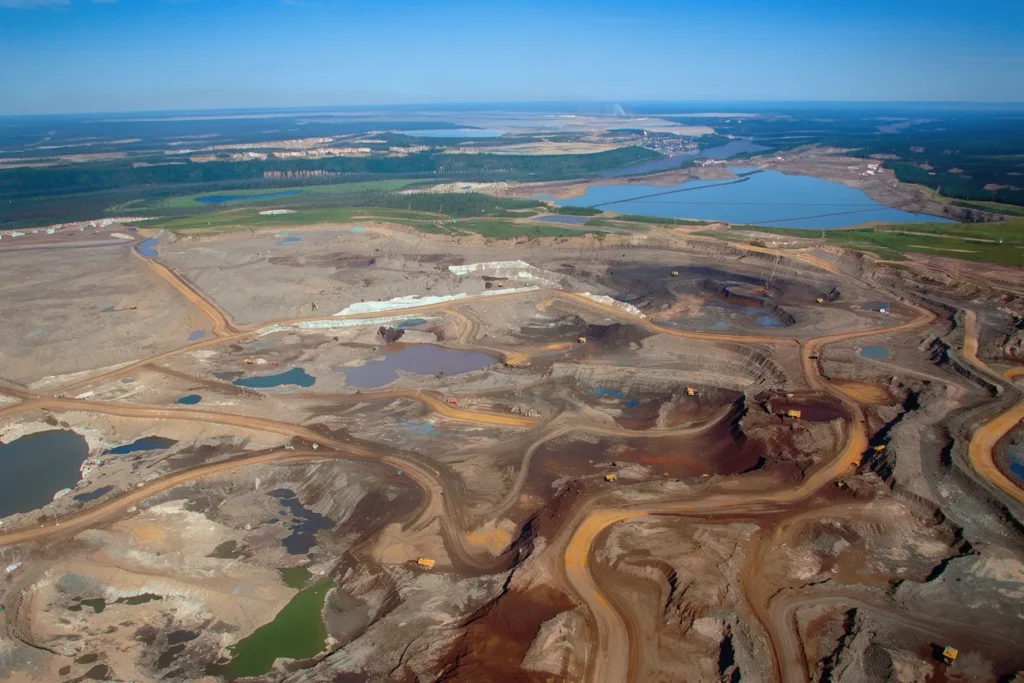
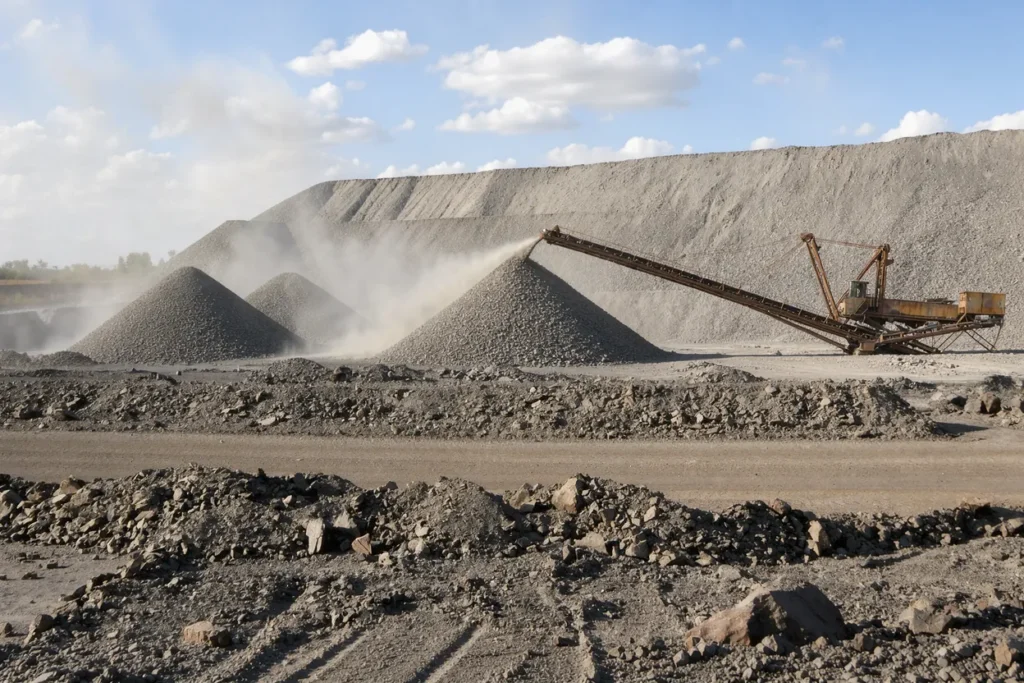
The advantage begins after the ore is mined
A rare earth deposit is a starting point. China’s industrial advantage extends through the plants that turn that material into something manufacturers can use.
Its latest earnings show the financial strength behind that position.
China Northern Rare Earth (SSE: 600111) earned 3.65 billion yuan in the first nine months of 2026, more than double a year earlier. China Rare Earth Resources and Technology (SZSE: 000831) also more than doubled profit, to 408 million yuan.
Prices for neodymium-praseodymium oxide, a key magnet input, reached 719,000 yuan per metric tonne, up 62% since the April 2025 controls began.
China’s leverage comes from an integrated industry that can manage feedstock, process materials and supply finished components. Building alternative mines addresses only the beginning of that advantage.
For US manufacturers, the challenge is securing a complete route from mineral resource to a component approved for use.
Beijing is managing the industry on both sides of the border
China’s production quotas and export controls serve different purposes.
Quotas regulate mining and separation output inside the country. Export controls govern access to specified materials and products leaving it.
Consolidation makes that system easier to administer. Since 2024, China Northern Rare Earth Group and China Rare Earth Group have been the only two groups eligible for mining and smelting quotas. The listed heavy-rare-earth company reporting the earnings is part of that broader group structure.
The 2025 rules also brought imported feedstock within the quota framework.
That closes an important gap: ore mined abroad can still enter a supply chain whose processing volumes are managed in China.
Higher prices benefit established producers. They can also encourage competing projects elsewhere, which makes the longer-term contest partly a question of how quickly alternatives become commercially usable.
Restrictions do not require trade to stop
China exported 48,057 tonnes of rare-earth magnets in the first nine months of 2026, versus 39,826 tonnes a year earlier—an increase of approximately 21%.
Those totals matter because the restrictions target particular materials and magnet compositions. They are not a universal prohibition on every rare-earth magnet.
A rising export total can coexist with a serious shortage of a specific material or grade.
A manufacturer needs the right chemistry, performance and approvals. More shipments elsewhere in the product mix do little to solve that problem.
That selective exposure is what makes rare earths strategically important: a comparatively small missing input can hold up a much more valuable finished product.
As the US response moves from funding announcements toward industrial production, WSA follows the emerging companies and supply-chain milestones behind it.
Get the Report on an Emerging U.S. Domestic Rare Earth Explorer
The bottleneck gets tighter further down the chain
The International Energy Agency’s 2024 baseline puts China at 60% of magnet rare-earth mining, 91% of refining, and 94% of sintered permanent-magnet production.
The concentration grows as materials move closer to their final use.
Ore must be concentrated and chemically processed, its rare earths separated into usable oxides, then converted into metals and alloys before magnets can be manufactured.
Neodymium and praseodymium underpin the main rare-earth content of powerful NdFeB magnets. Dysprosium and terbium can enhance performance in certain formulations.
More ore alone would leave that gap open.
America’s response is already more than a drawing
US projects are not all years away from producing anything.
MP Materials (NYSE: MP) produced 1,018 metric tonnes of separated NdPr oxide in the third quarter, up 41% year over year.
It also completed General Motors’ magnet qualification process, with saleable deliveries and associated revenue beginning in the fourth quarter.
That distinction is consequential. Producing material, manufacturing a magnet and qualifying it for a customer are separate achievements. A resource announcement cannot substitute for any of them.
Higher rare-earth prices can improve prospective project economics, but the opportunity still depends on recoveries, processing costs, financing and dependable customers.
China’s earnings demonstrate the value of an established industrial system. America’s progress will be measured in qualified deliveries, repeat orders and production that remains economic through the next commodity cycle.
Explore More Stories in Commodities
Disclaimer
Wall Street Access is an independent financial publisher. Wall Street Access is not a financial advisor. No company mentioned has compensated Wall Street Access for the preparation, publication or distribution of this article. This content is provided for informational and educational purposes only and is not investment advice or a recommendation to buy, sell or hold any security. Investing involves risk, including the possible loss of principal.
Prices, market capitalizations, financial figures and other market data are based on information available as of the date and time of publication and may change without notice. Information is drawn from public sources believed to be reliable but is not guaranteed to be complete or accurate. Opinions and expectations expressed are our own and may change as new information becomes available.
Readers should conduct their own due diligence and contact a licensed financial professional before making any investment decision. Past performance does not guarantee future results. Any material ownership interest or conflict of interest, where applicable, will be disclosed separately.